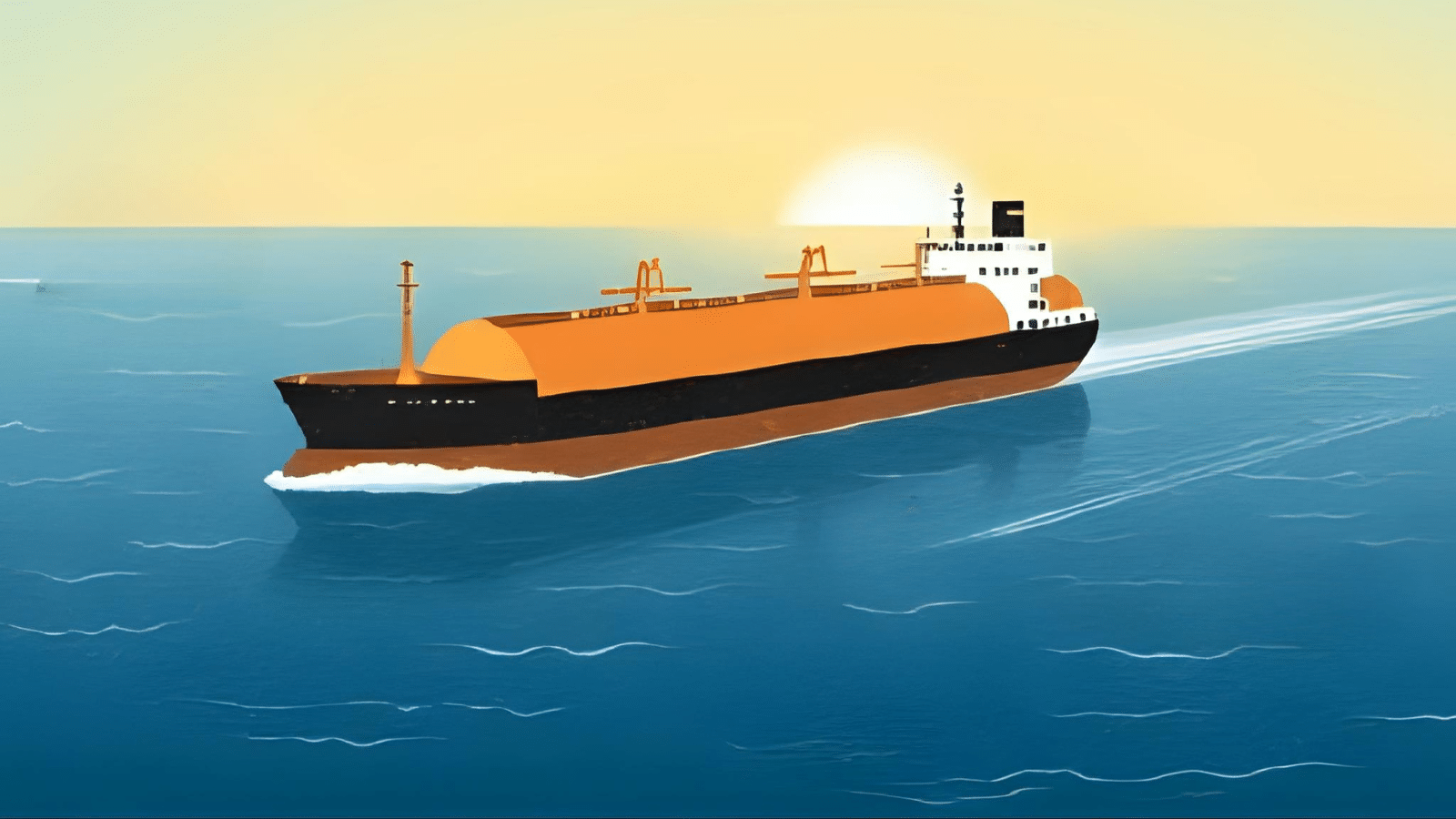
The global energy infrastructure is currently undergoing a significant recalibration. Escalating conflict in the Middle East has profoundly impacted US-Asia oil shipping costs, driving them to unprecedented levels. Specifically, the expense of chartering a supertanker to transport two million barrels of crude from the US Gulf Coast to China has surged to over $29 million, effectively doubling the rate observed just two weeks prior. This critical development necessitates a structural analysis of its immediate and projected economic implications.
The Translation (Clear Context)
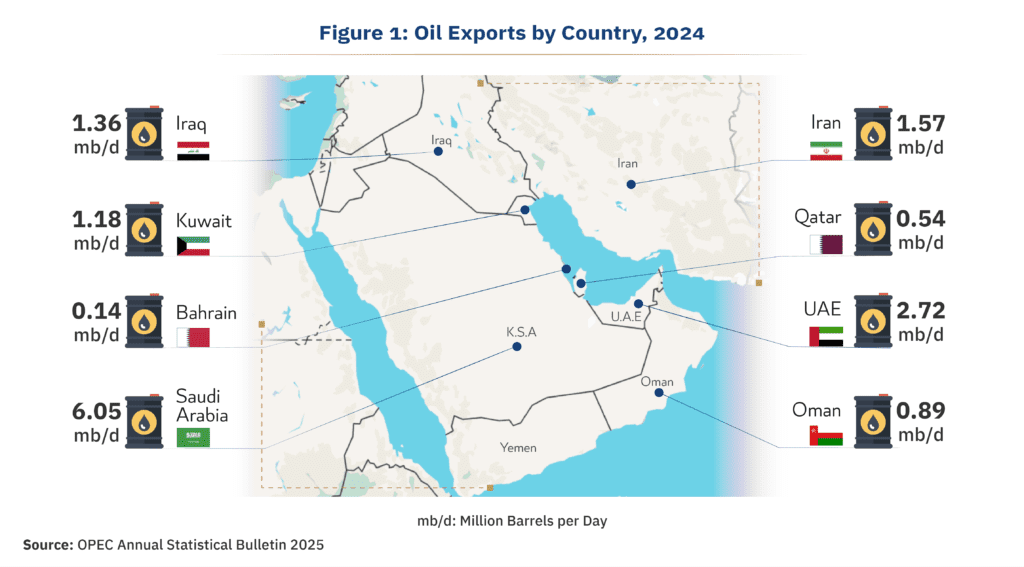
The underlying mechanism for this cost escalation is the pervasive disruption within established global energy corridors. The ongoing regional conflict has critically impeded tanker transits through the Strait of Hormuz. Consequently, Asian markets, traditionally reliant on Persian Gulf crude, have strategically pivoted towards securing supplies from the United States. This calibrated shift in demand has directly amplified pressure on freight capacities, elevating US-Asia oil shipping costs to historic benchmarks.

Furthermore, this increase implies that shipping expenses alone now approximate $14.50 per barrel. This figure represents nearly 20 percent of the West Texas Intermediate (WTI) crude price, which currently hovers near $75 per barrel. For systemic perspective, the cost of chartering a supertanker, relative to the WTI oil price, has quadrupled since August, when freight accounted for merely 5 percent of the benchmark. This rapid change underscores a fundamental shift in the economics of global crude oil supply chains.
The Socio-Economic Impact
How does this structural alteration in crude oil logistics influence the daily life of a Pakistani citizen? The primary impact manifests through potential fluctuations in domestic fuel prices. Pakistan, as an energy-importing nation, is directly exposed to global commodity price volatility. Elevated supertanker freight rates contribute to higher landed costs for imported crude, which can translate into increased pump prices for gasoline and diesel. This affects household budgets, particularly for those in urban centers commuting daily, and rural communities reliant on fuel for agricultural machinery and transportation.
Moreover, industries heavily dependent on transportation and energy, such as manufacturing and logistics, will experience increased operational expenditures. These higher costs may eventually be passed on to consumers through inflation on goods and services. For students and professionals, this implies a higher cost of living and potentially reduced purchasing power. Understanding these intricate connections is crucial for navigating economic challenges effectively.
The “Forward Path” (Opinion)
This development signifies a Stabilization Move rather than a Momentum Shift. While the immediate surge in global crude oil supply chains costs is disruptive, it reflects a reactive adjustment to geopolitical instability. Nations are seeking to secure supply through alternative, albeit more expensive, routes. This ensures continuity but at a higher systemic cost. A true Momentum Shift would involve strategic diversification of energy sources or a fundamental redesign of global trade routes to mitigate such vulnerabilities proactively.
The current situation demands a calibrated long-term strategy focused on enhancing energy resilience. Pakistan must accelerate investments in indigenous energy resources and explore advanced logistics solutions to minimize external vulnerabilities. This strategic imperative will ensure national advancement and economic stability against an unpredictable global backdrop.