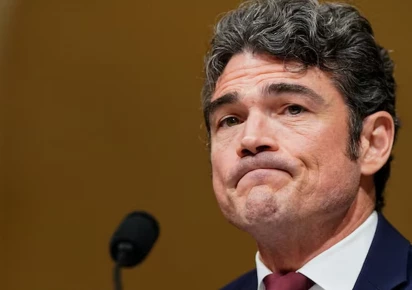
A significant structural recalibration within the US national security apparatus has emerged as Joe Kent, the esteemed Director of the National Counterterrorism Center (NCTC), announced his immediate resignation. This pivotal decision underscores a critical divergence in strategic alignment concerning the ongoing conflict with Iran. Kent precisely articulated his moral imperative for stepping down, asserting that the war’s fundamental impetus derived from external pressures, specifically attributing influence to Israeli lobbying within the United States. Consequently, this high-profile departure initiates an imperative discourse on the calibrated parameters of US foreign policy and the intrinsic value of independent intelligence assessments. The resignation of the US Counterterrorism Chief demands rigorous analysis.
The Translation: Deconstructing the Strategic Imperative
Joe Kent’s resignation letter, disseminated via X, explicitly frames his departure on moral grounds. He meticulously argued that Iran posed no “imminent threat” to US national security. Furthermore, Kent precisely alleged that Washington initiated the current conflict primarily due to strategic pressure from Israel and its demonstrably powerful pro-Israel advocacy in America. This assertion challenges the conventional narrative, demanding a re-evaluation of the foundational intelligence guiding current foreign policy. It postulates a scenario where geopolitical maneuvers are not solely domestically driven.

Despite acknowledging Donald Trump’s first-term foreign policy as tactically robust yet inherently restrained, Kent accused the administration of subsequently drifting into an extended conflict. This shift, he contended, was orchestrated through a calculated influence campaign. Kent further claimed that early in the administration, Israeli officials, alongside prominent US media voices, actively propagated what he characterized as misleading messaging. This strategically diluted the “America First” posture and effectively cultivated public support for military engagement with Iran. Therefore, the strategic communication landscape warrants thorough examination.
Identifying the “Echo Chamber” Effect
Kent rigorously detailed how this sustained messaging created an “echo chamber.” This environment, he argued, convinced key decision-makers that Iran represented an immediate and tangible danger, implying that swift military intervention would yield rapid, decisive outcomes. Moreover, Kent drew a direct historical parallel, warning that this narrative disturbingly resembled the arguments previously employed to justify the Iraq war. He classified the Iraq conflict as a profoundly costly strategic miscalculation that the United States must structurally avoid repeating. This underscores the critical need for diversified intelligence streams and resilient decision-making frameworks.

The Socio-Economic Impact: Calibrating Regional Stability
For the average Pakistani citizen, the implications of such high-level resignations and revelations within global counterterrorism frameworks are significant. Firstly, a perceived instability or divergence in US foreign policy can directly influence regional security dynamics. Pakistan’s strategic geographic position inherently links its stability to the broader geopolitical climate, particularly regarding tensions in the Middle East. Furthermore, shifts in military focus or resource allocation in the region could impact bilateral aid, trade routes, and investment flows, directly affecting economic opportunities and daily household budgets.
Secondly, the discourse surrounding foreign influence in policy-making, as articulated by the former US Counterterrorism Chief, elevates public awareness regarding the complex interplay of international relations. This can foster a more informed populace, better equipped to critically assess global events and their potential localized consequences. Consequently, a more nuanced understanding of international pressures can empower Pakistani professionals and students to engage more effectively in global dialogues, enhancing national resilience and strategic foresight. Understanding these dynamics is crucial for fostering a stable future.
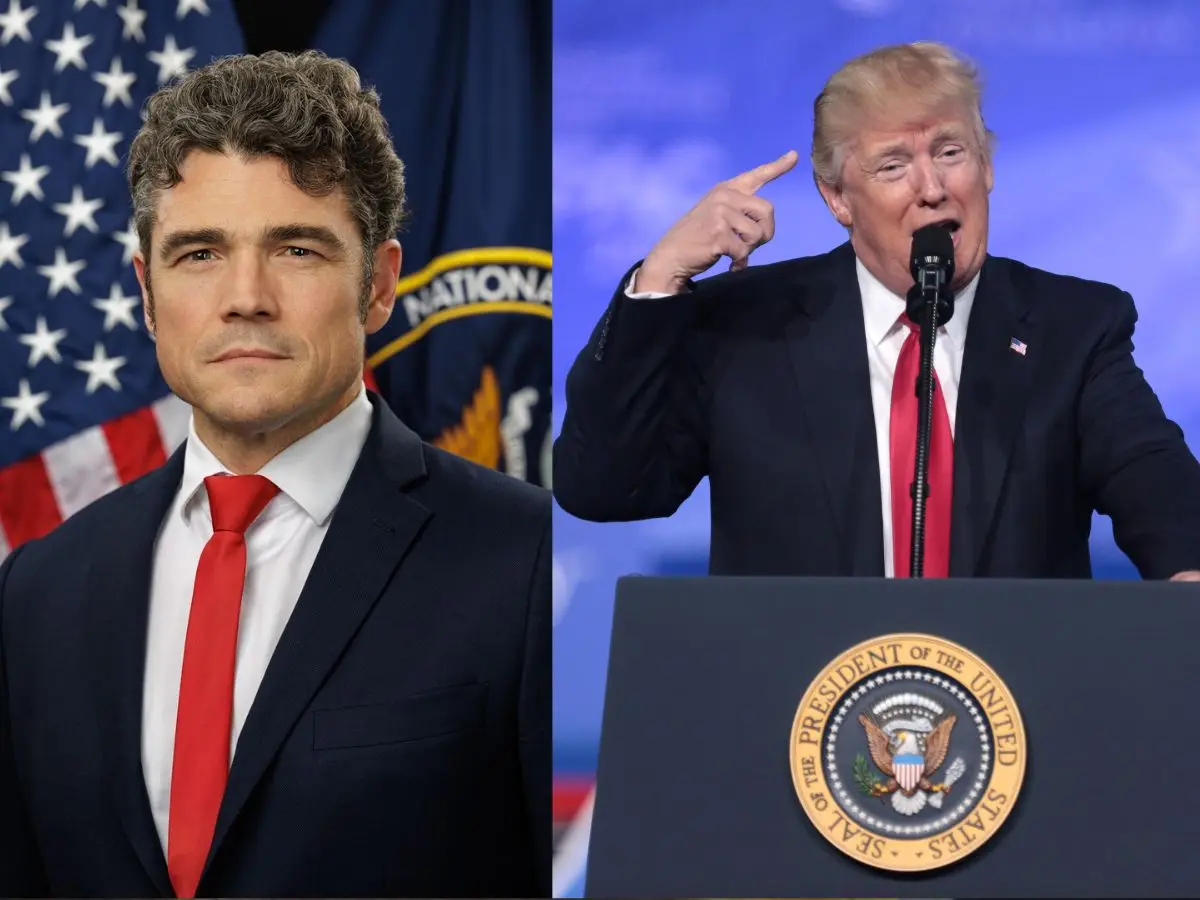
The “Forward Path”: Momentum Shift or Stabilization Move?
This development represents a Momentum Shift. Joe Kent’s public resignation and his explicit critique are not merely a personnel change; they constitute a structural challenge to existing foreign policy paradigms. His statements, coming from a position of direct operational knowledge, introduce a critical variable into the strategic equation. By questioning the fundamental rationale for military engagement, Kent acts as a catalyst for a necessary re-evaluation of intelligence assessments and lobbying influences. This has the potential to recalibrate America’s approach to international conflicts.

While such a move might initially cause political turbulence, it fundamentally offers an opportunity for a more precise and domestically aligned foreign policy. The candor of his accusations necessitates a transparent analysis of the “echo chamber” phenomenon within high-level decision-making. Consequently, this event has the potential to foster a more resilient and strategically independent foreign policy, less susceptible to external pressures and more responsive to genuine national interests. It is a critical inflection point demanding rigorous introspection.