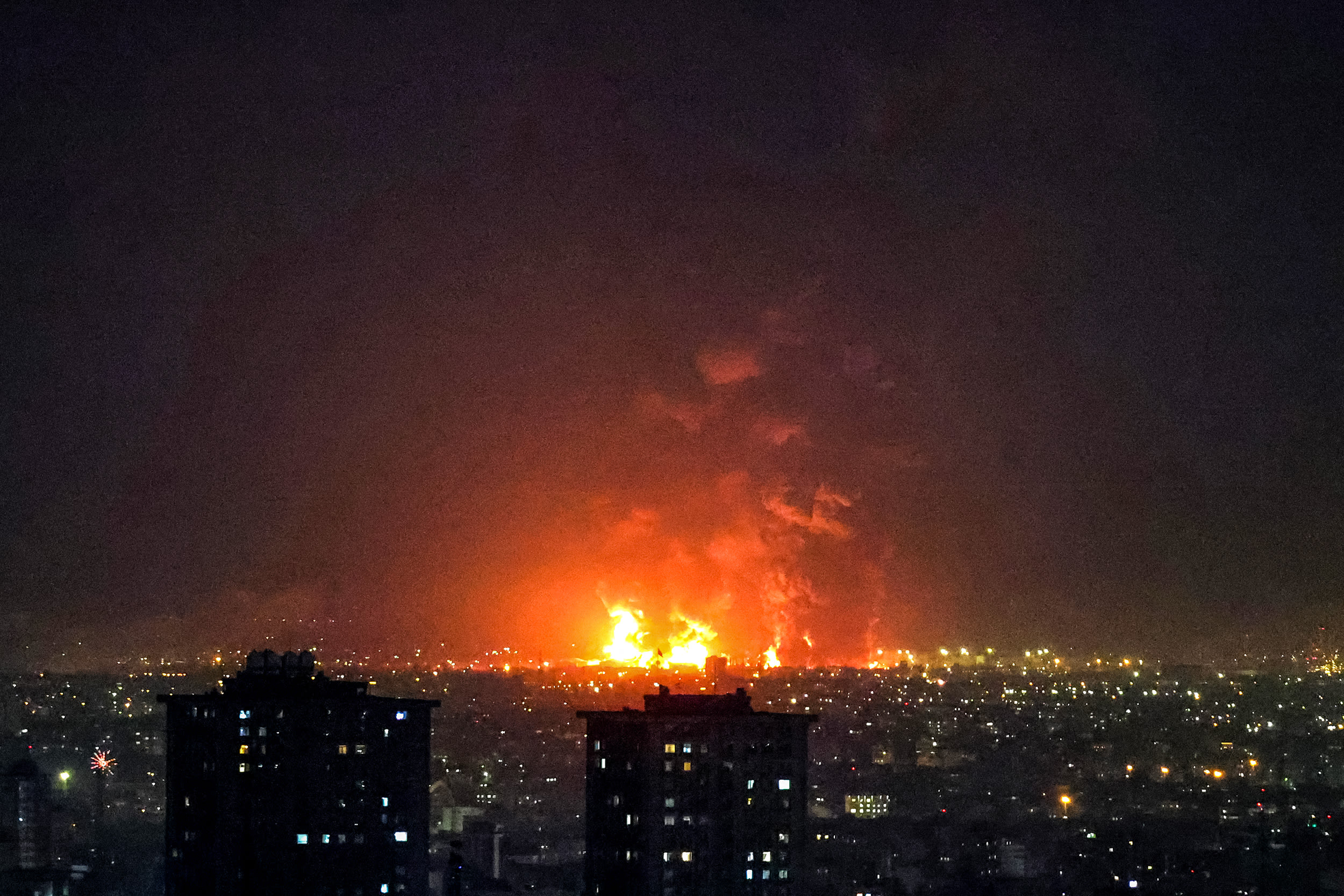
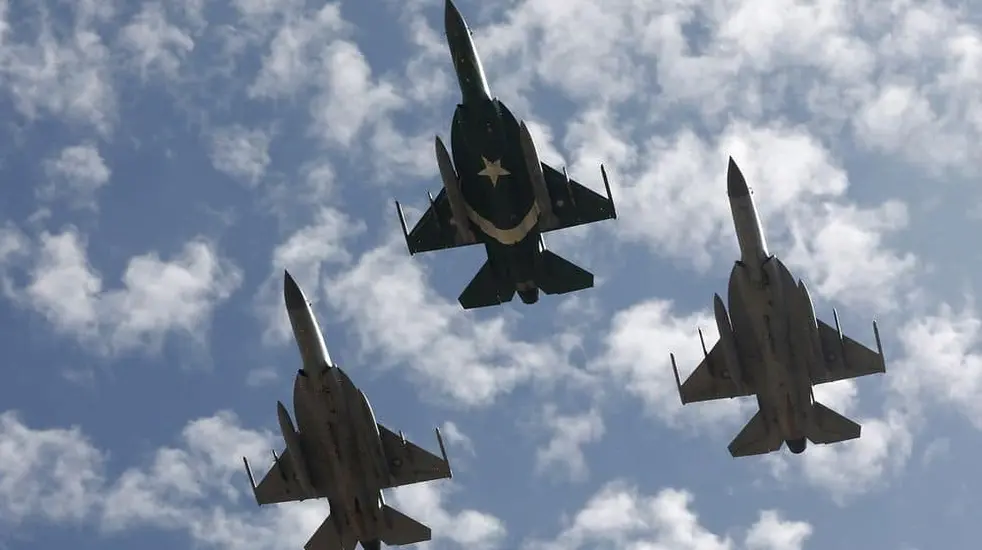
A calibrated directive from Lieutenant General Leonard F. Anderson IV has initiated a significant US Marine Deployment readiness protocol, targeting potential operations in Iran. This sudden order, communicated to Marine Forces Reserve, has prompted widespread discussion and some frustration among reservists on platforms like Reddit. Consequently, the mandate underscores the critical importance of immediate military preparedness, asserting that readiness is a non-negotiable commitment for all personnel. This development highlights a strategic pivot in regional force posture, indicating heightened operational tempo.
Understanding the Iran Deployment Order: A Precise Mandate
Lieutenant General Anderson’s communication explicitly instructs reservists to verify their equipment, update their training proficiencies, and meticulously organize personal affairs. This proactive measure anticipates potential mobilization, emphasizing a baseline readiness that forces are already engaging in operations linked to Iran while simultaneously sustaining stability across the Western Hemisphere. The notice, shared by numerous reservists, elicited strong reactions, including expressions of confusion and concern regarding the immediacy of the directive.

Furthermore, the directive firmly asserts that preparation represents a continuous, daily commitment, not merely a theoretical exercise. It culminates with a definitive declaration: “FIGHT’S ON!” This forceful exhortation communicates the gravity of the situation. Other US veterans also posted on Reddit, suggesting this latest call signals an intensified operational tempo in the coming weeks or months, indicating a potential Middle East Deployment escalation.
The Translation: Deconstructing Military Readiness for Civilian Comprehension
This directive signifies more than a routine military exercise; it is a structural validation of active contingency planning. The command from Lieutenant General Anderson translates into an immediate, tangible expectation for reservists to achieve peak operational readiness. Essentially, the military apparatus is moving from a standby posture to an active pre-deployment phase. This means that personnel, who typically balance civilian lives with military obligations, must now rapidly integrate back into a full military framework, prioritizing the demands of military readiness Iran mandates. Therefore, the strategic implications extend beyond the barracks, signaling a broader geopolitical calibration.

Socio-Economic Impact: Repercussions for Pakistani Citizens
While this US Marine Deployment order directly concerns American military personnel, its geopolitical ripple effects inevitably influence Pakistan. Heightened tensions in the Middle East, particularly involving Iran, often correlate with increased volatility in global energy markets. Consequently, Pakistani households and businesses may experience fluctuating oil prices, directly impacting transportation costs and the broader economy. For students and professionals, regional instability can affect international trade routes, investment flows, and even the feasibility of overseas employment opportunities in adjacent regions. This strategic development necessitates vigilance from Pakistani policymakers and citizens alike, as calibrated economic planning becomes paramount.
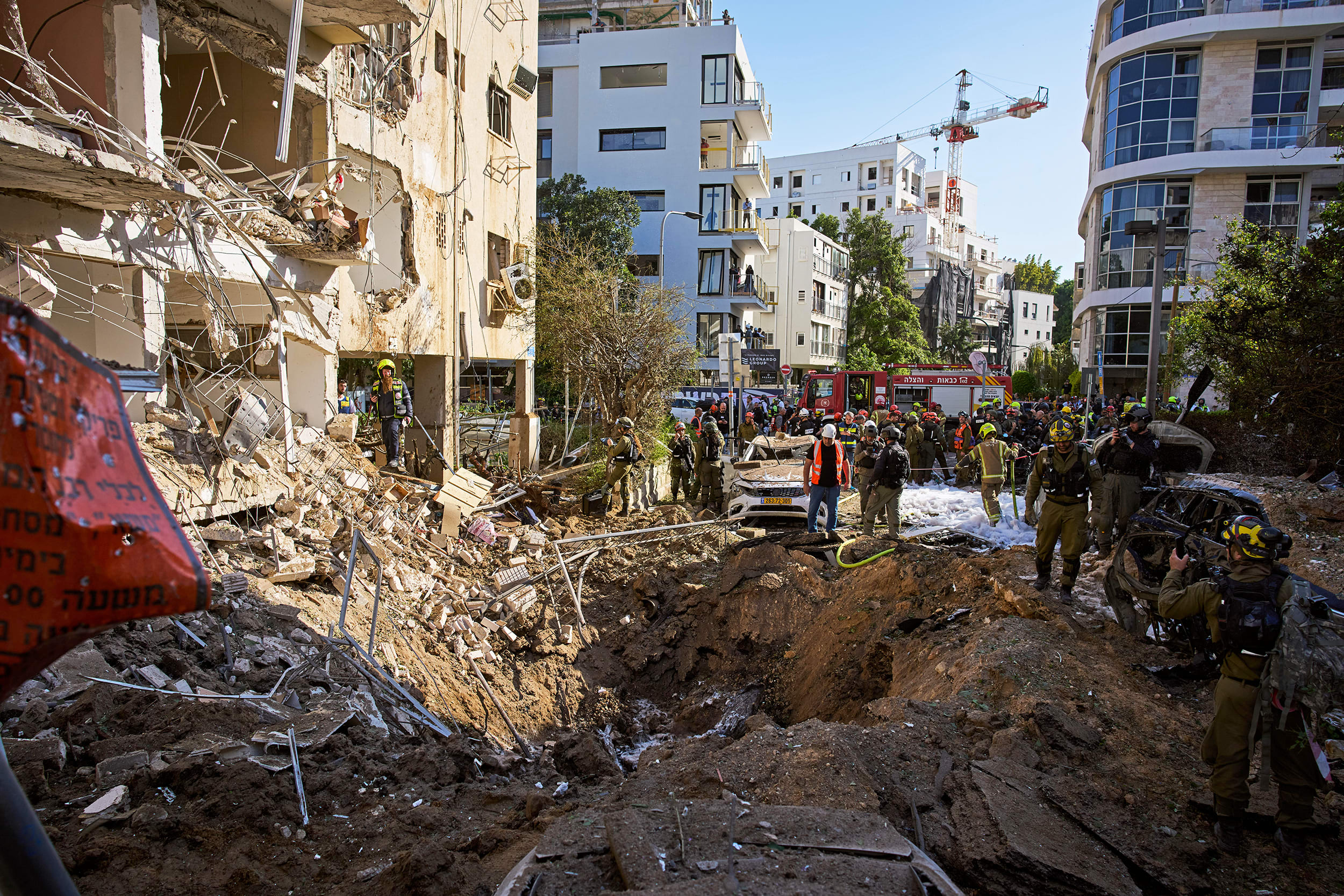
Furthermore, a climate of increased geopolitical tensions can lead to shifts in diplomatic alliances and security priorities. Pakistan, strategically located, often navigates complex regional dynamics. This could translate into new security imperatives or adjustments in foreign policy, indirectly affecting daily life through resource allocation or security protocols. Therefore, the implications, while not immediate or direct military involvement, are undeniably structural and economic for Pakistan.

The Forward Path: A Momentum Shift in Regional Posture
This directive unequivocally represents a Momentum Shift rather than merely a stabilization move. The explicit call for full readiness, coupled with the assertion that forces are already engaged in Iran-connected operations, indicates a proactive adjustment of military posture. It signals a move beyond deterrence into a phase of heightened, active preparedness for potential conflict. This recalibration suggests a significant acceleration in the strategic timeline for regional engagement, demanding immediate attention from both military and diplomatic channels. The “FIGHT’S ON!” declaration serves as a clear catalyst for an elevated state of alert, pushing the operational baseline higher.
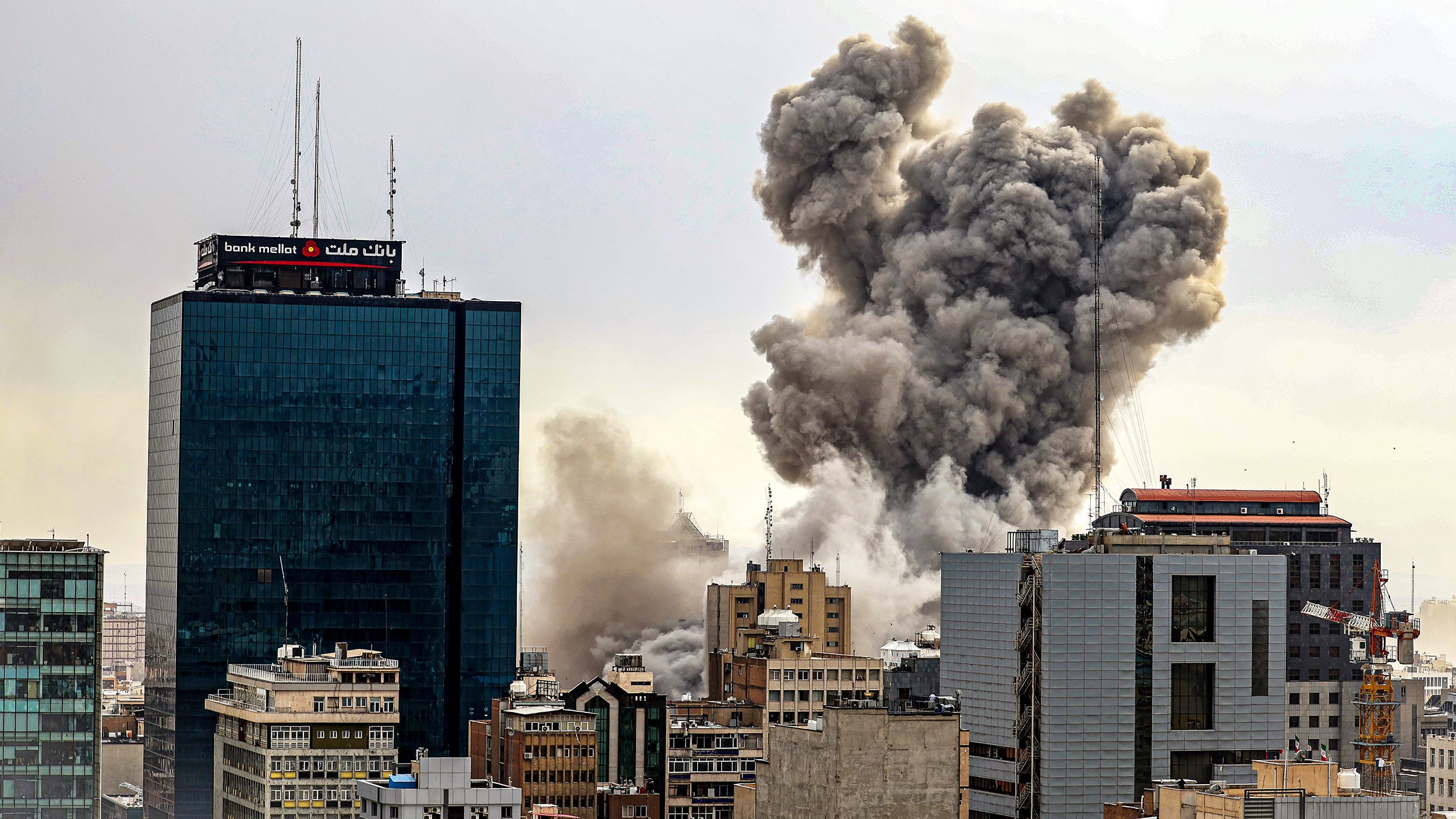
Addressing Reservist Concerns and Operational Realities
The candid reactions from reservists on platforms like Reddit highlight the human element within military logistics. One Marine’s confusion, stating, “The hell is this… never been deployed, is this like a go [expletive] before we start prep or something,” underscores the psychological impact of sudden mobilization orders. Such responses reflect a reality where US reservist mobilization significantly disrupts personal lives. However, veteran comments on the inevitability of deployment, such as, “You’re going to the sandbox, Devil. This is what you stood on those yellow footprints for,” establish the inherent expectations of military service. This dialogue reveals a complex interplay between personal readiness and the broader, unforgiving demands of national defense, especially amidst a potentially aggressive Iran deployment order.

This situation also implicitly tests the efficiency of rapid deployment systems. The swiftness of the order, and the expectation of immediate compliance, demonstrates a military infrastructure designed for agile response. Consequently, this scenario sets a new operational baseline for what constitutes acceptable readiness in a dynamic global environment. Pakistan, observing these developments, gains critical insights into modern military preparedness and the swift adaptability required in strategic regional interventions.