

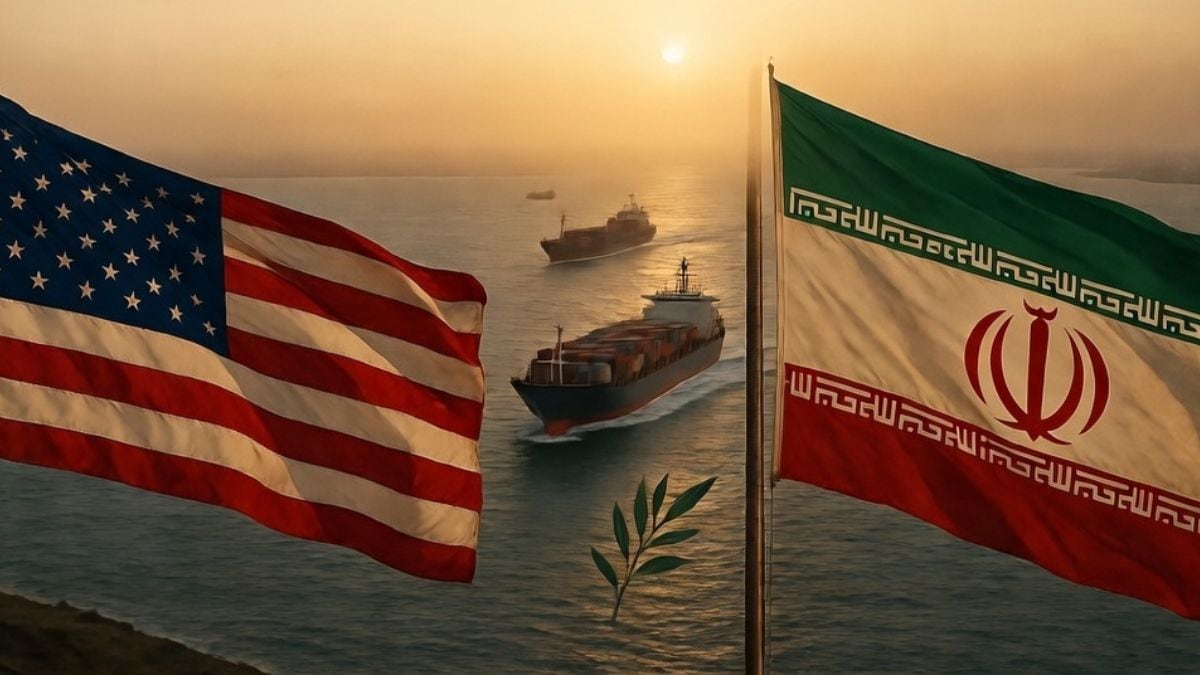
A calibrated diplomatic initiative spearheaded by Pakistan has successfully brokered a two-week Pakistan Iran US ceasefire, establishing a critical pause in hostilities. This strategic development, announced by President Trump, aims to transform a temporary halt into a comprehensive settlement between Washington and Tehran. Consequently, talks are slated to commence in Islamabad, focusing on Iran’s 10-point proposal and the crucial reopening of the Strait of Hormuz.
Understanding the Diplomatic Architecture of the Pakistan Iran US Ceasefire
Pakistan’s Central Role in De-escalation
President Donald Trump confirmed a two-week suspension of bombing and other attacks on Iran, directly attributing this to Pakistani mediation. Prime Minister Shehbaz Sharif and Field Marshal Asim Munir proactively urged a halt to planned strikes. This arrangement hinges on Iran’s agreement to fully, immediately, and safely reopen the Strait of Hormuz, a critical maritime passage. Trump characterized this as a ‘double-sided’ ceasefire, indicating reciprocal commitments.
- US Condition: Complete, immediate, and safe reopening of the Strait of Hormuz.
- Iranian Response: Conditional acceptance, halting defensive operations if attacks cease.
Furthermore, Washington has received a 10-point proposal from Iran, which is considered a workable basis for negotiations. The two-week window is designed to facilitate a final agreement, with most major points of contention already narrowed. Israel, initially involved in its own bombing campaign, also consented to this temporary cessation. However, missile launches from Iran towards Israel immediately following Trump’s announcement underscored the inherent fragility of the proposed truce, requiring robust verification mechanisms.

Calibrating Regional Stability for Pakistani Prosperity
Impact on Trade, Energy, and Daily Life
The Pakistan Iran US ceasefire has direct implications for Pakistani citizens, particularly concerning economic stability and energy security. The Strait of Hormuz, a conduit for approximately one-fifth of global oil shipments, is central to this agreement. Its reopening, while critical to the ceasefire, will also stabilize global energy markets, which directly affects fuel prices and household budgets in Pakistan. Consequently, a stable energy supply underpins industrial operations and reduces inflationary pressures on daily consumables.
For students and professionals, regional de-escalation translates into a more predictable and secure environment for international trade and investment. Reduced tensions can foster greater confidence among foreign investors, potentially leading to increased job opportunities and economic growth within Pakistan. This strategic move by Pakistan safeguards crucial trade routes, preventing disruptions that could otherwise escalate costs for imported goods and raw materials. In contrast, continued conflict would have threatened these vital economic lifelines.
Assessing the “Forward Path”: Momentum Shift or Stabilization?
Pakistan’s Catalytic Role in Sustained Peace
This development represents a significant Momentum Shift for regional diplomacy, rather than merely a stabilization move. Pakistan’s proactive engagement as a mediator has demonstrably altered the trajectory of a highly volatile situation. The agreement to hold talks in Islamabad, with an initial two-week negotiation period extendable by mutual consent, establishes a structural framework for sustained dialogue. This precision-driven approach, anchored in Iran’s 10-point plan, offers a baseline for a comprehensive peace accord.
The candid assessment is that while the ceasefire is fragile, the very act of bringing both parties to the negotiating table through Pakistani channels is a profound strategic win. It positions Pakistan as a pivotal regional actor capable of fostering peace and de-escalation. The challenge now lies in translating this initial pause into a durable agreement that addresses core disputes and solidifies long-term stability in the Middle East.









