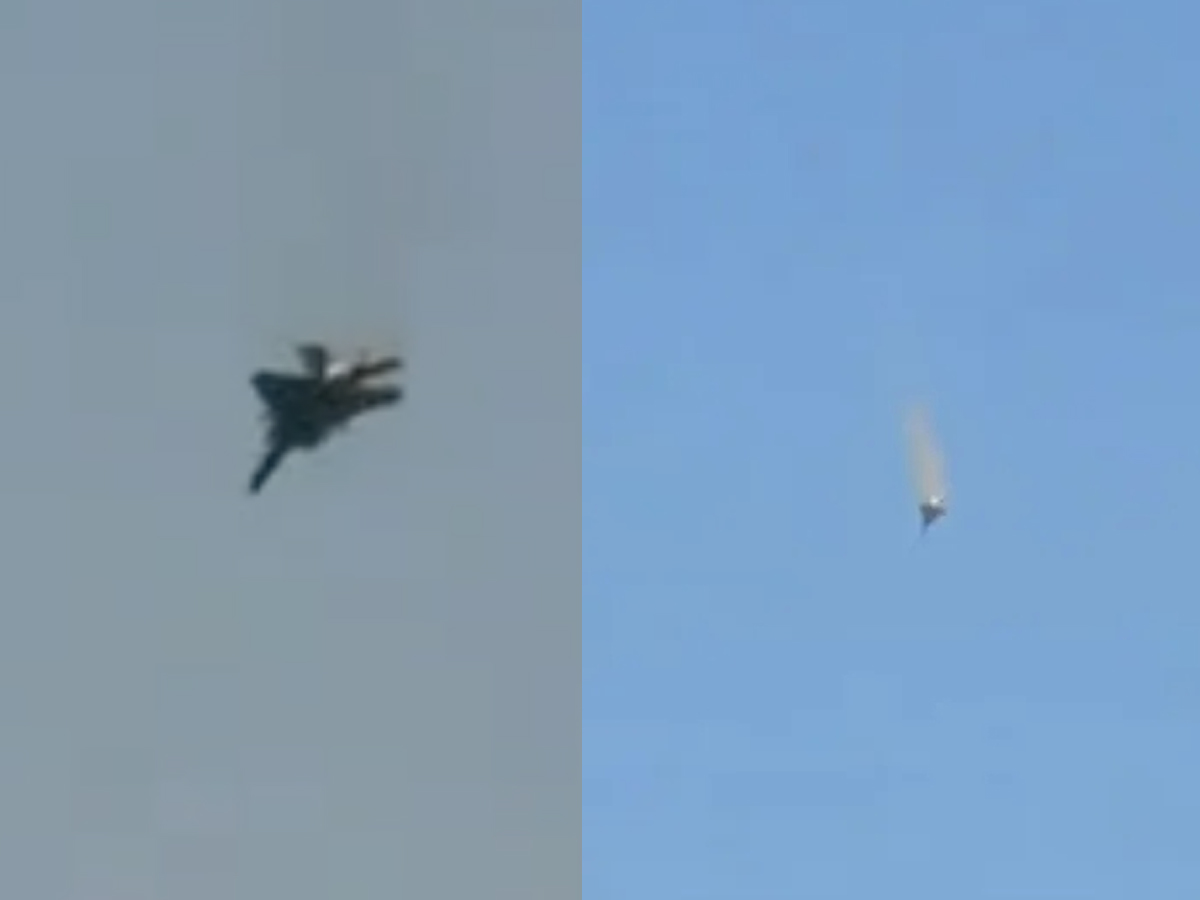
A United States Air Force F-15 crash in Kuwait on March 2, 2026, during routine military operations in the Middle East, demands a calibrated analysis of regional security. The pilot’s successful ejection prior to impact underscores the robustness of modern aerospace safety systems, preventing fatalities. Consequently, this incident draws critical attention to the dynamic operational environment in the Gulf region, particularly amidst heightened tensions involving Iran and allied forces. This event serves as a baseline data point for assessing tactical stability.
The Translation: Deconstructing the F-15 Crash in Kuwait
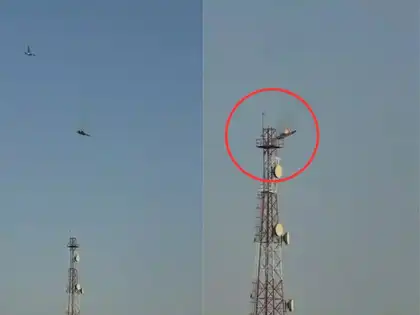
This incident involved an F-15E Strike Eagle, a sophisticated multi-role fighter known for its precision strike capabilities. While initial reports cited a crash during operations, the unconfirmed possibility of a friendly-fire incident indicates a complex and potentially miscalibrated operational environment. The United States Central Command has initiated a formal investigation, suggesting a methodical approach to understanding the structural cause. Furthermore, this transparency is crucial for maintaining strategic alliances and preventing escalations.
Operational Context and Escalation
The crash unfolded amid escalating regional hostilities. Recent operations conducted by the United States and Israel, targeting Iranian assets, have triggered retaliatory strikes. These strikes have reportedly impacted US military installations across the Gulf, including bases within Kuwait. Moreover, authorities in Kuwait have reported recent drone incidents near Kuwait International Airport, which have consequently led to temporary airspace disruptions. This pattern indicates a systemic increase in regional volatility.

The Socio-Economic Impact: Daily Life and Regional Stability
For the average Pakistani citizen, particularly those with connections to the Gulf or involved in regional trade, such incidents introduce an element of economic uncertainty. Heightened military activity can disrupt shipping lanes, increase insurance premiums, and potentially impact energy prices. Urban professionals might experience delays in air travel due to airspace restrictions. Furthermore, the persistent tension can deter foreign investment, thereby slowing economic growth and job creation across the wider region. Rural households, dependent on remittances, might feel indirect effects if regional economies experience slowdowns.
The "Forward Path": Stabilization Move
This event fundamentally represents a Stabilization Move rather than a momentum shift. The incident, while significant, did not result in fatalities, nor has it immediately triggered a widespread escalation beyond existing regional dynamics. The ongoing investigation and emphasis on pilot recovery demonstrate a baseline commitment to de-escalation protocols. However, this period demands rigorous strategic calibration from all regional actors. Precision in diplomacy and defense is paramount to prevent further systemic disruptions and secure a more predictable future for our collective advancement.