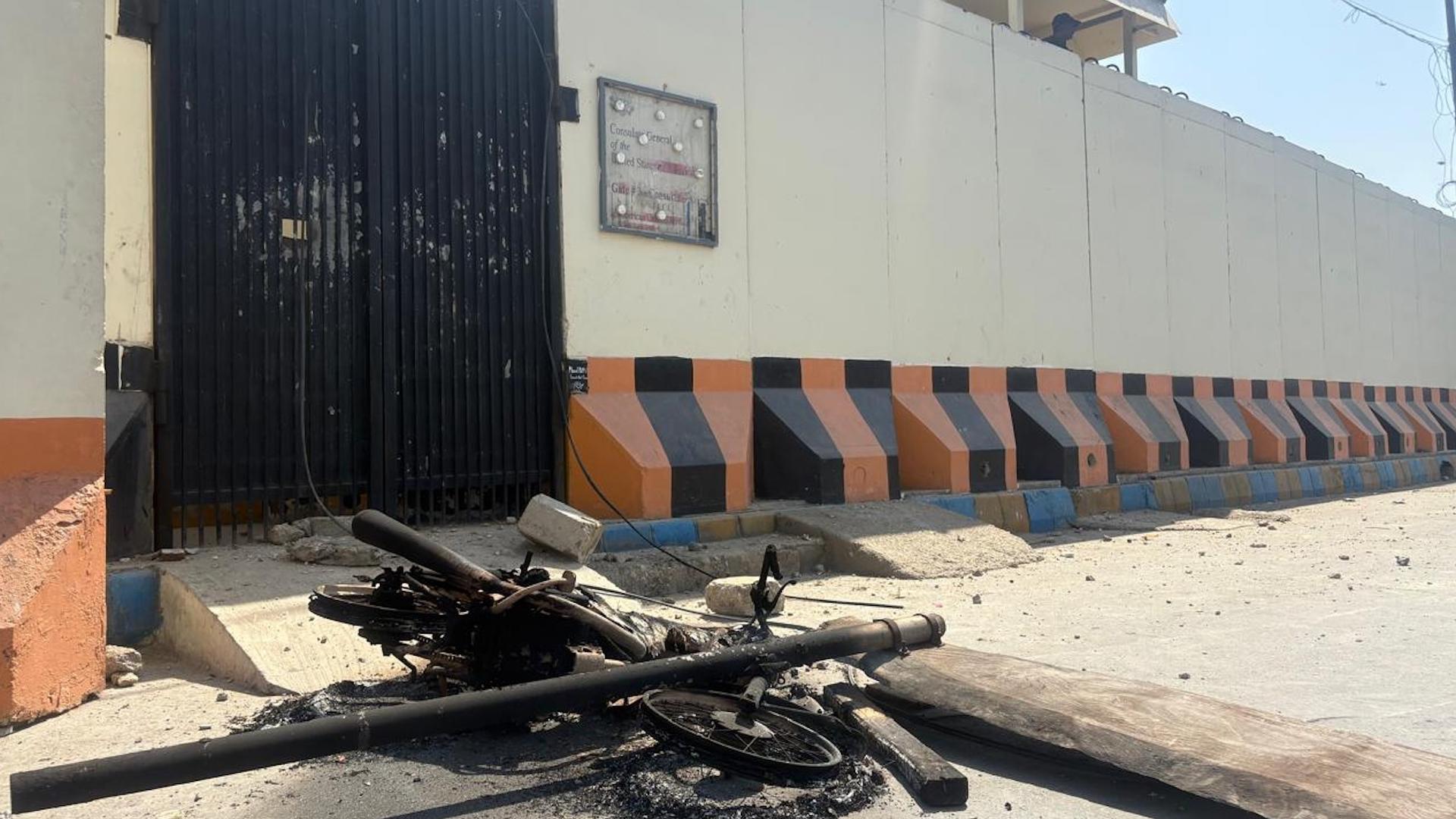
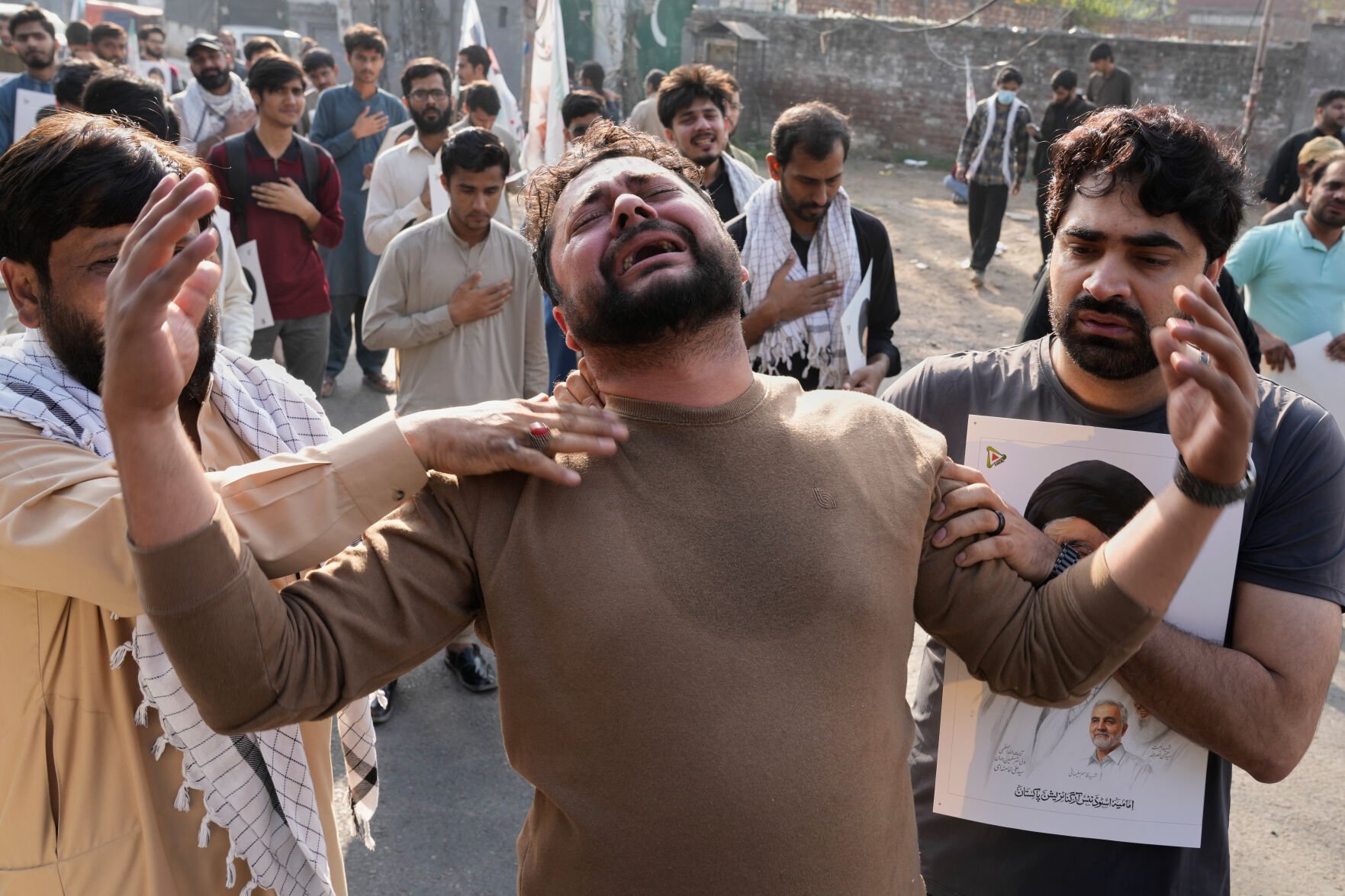
A calibrated decision by the United States has led to the temporary suspension of US Consulate Peshawar operations, effective March 2. This strategic move, prompted by escalating security concerns and persistent regional disruptions, now reroutes all routine and emergency consular services to the U.S. Embassy in Islamabad. Consequently, this represents a structural adjustment, optimizing security protocols for U.S. government personnel within Pakistan.
The Translation: Deconstructing Diplomatic Adjustments
The U.S. government has issued a formal notice confirming the indefinite closure of its Peshawar consulate. This action is not merely a cessation of services but a re-prioritization of operational safety for diplomatic staff. All essential consular assistance for U.S. citizens, previously managed by the US Consulate Peshawar, is now centrally administered by the U.S. Embassy in Islamabad. This logistical pivot ensures continuity of support while mitigating risks inherent in the current security landscape.

Socio-Economic Impact: Calibrating Citizen Services
This operational shift directly impacts Pakistani citizens requiring U.S. consular services, particularly those in Khyber Pakhtunkhwa. Individuals previously relying on the Peshawar consulate must now undertake travel to Islamabad for visa applications, passport renewals, or emergency assistance. Consequently, this introduces additional logistical and financial burdens, potentially delaying critical processes for students, professionals, and families. The change necessitates a proactive approach for those needing access to U.S. diplomatic services, requiring careful planning and resource allocation to navigate the increased travel demands.

The Forward Path: A Stabilization Move for Security Protocols
From an analytical perspective, this development constitutes a Stabilization Move rather than a Momentum Shift. The U.S. government is enacting baseline security protocols to safeguard its personnel amidst a volatile environment. While the absence of a defined timeline for the resumption of Peshawar services introduces uncertainty, this decision reflects a strategic imperative to prioritize safety and operational integrity above immediate convenience. Furthermore, it underscores the dynamic nature of international relations and the calibrated measures required to maintain diplomatic presence under challenging circumstances. It also prompts a critical assessment of regional stability and its influence on bilateral engagements.
Navigating the New Operational Baseline
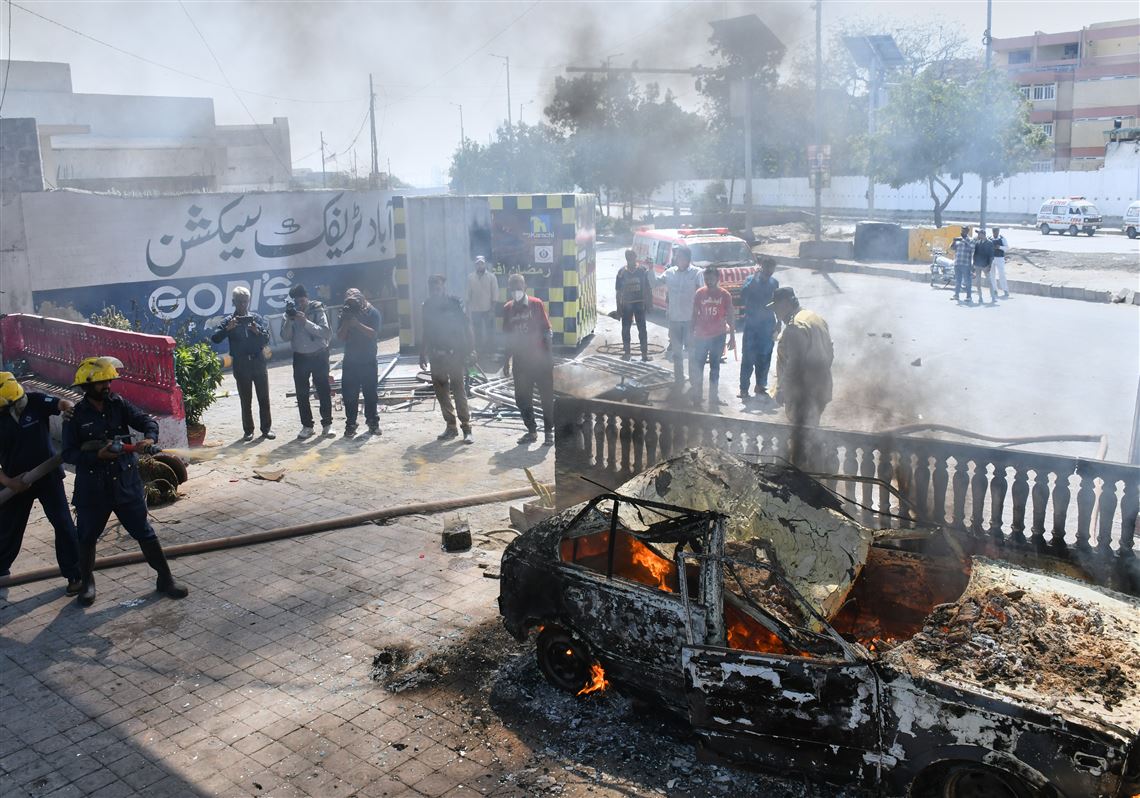
U.S. citizens residing in or traveling through Pakistan are strongly advised to adopt enhanced vigilance. Authorities recommend consistently monitoring local media channels for updates, actively avoiding all large public gatherings, and maintaining acute awareness of their immediate surroundings. Crucially, updating one’s Smart Traveler Enrollment Program (STEP) registration is a vital step to ensure direct receipt of critical security alerts and information. This proactive engagement allows for calibrated responses to evolving security conditions, fostering individual safety and preparedness.
- Monitor local media for real-time security updates.
- Avoid large gatherings and public demonstrations.
- Remain alert and aware of immediate surroundings.
- Update Smart Traveler Enrollment Program (STEP) registration for direct alerts.
- Direct all consular inquiries to the U.S. Embassy in Islamabad.