
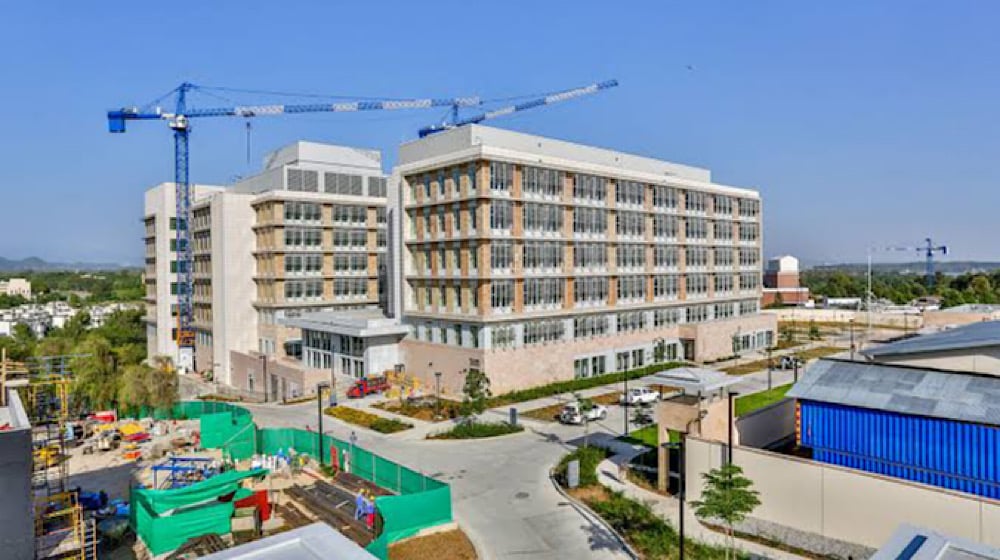
A calibrated operational adjustment by the United States Embassy in Islamabad has led to the cancellation of all US visa appointments and American Citizen Services across Pakistan for March 2. This strategic decision, extending to consulates, was enacted in response to escalating security concerns and widespread public protests. Consequently, this move signals a temporary but significant disruption for Pakistani citizens planning international travel or seeking essential consular support, particularly concerning US visa appointments.
Structural Analysis: The Translation of Diplomatic Action on US Visa Appointments
On March 1, the US mission disseminated a security alert, meticulously detailing its monitoring efforts regarding demonstrations. Specifically, protests occurred outside diplomatic facilities in Karachi and Lahore, while calls for similar gatherings were noted near the embassy in Islamabad and the consulate in Peshawar. This proactive monitoring informed the immediate restriction of movement for all US government personnel, a standard operating procedure during periods of heightened civil unrest affecting crucial services like US visa appointments. Furthermore, this measure underscores a primary commitment to staff safety and operational integrity.
American citizens within Pakistan received explicit advisories to maintain situational awareness. These directives included following local news, actively avoiding large crowds, and ensuring their registration with the Smart Traveler Enrollment Program (STEP) remained current. Such guidance is critical for facilitating communication and providing emergency assistance should the need arise. In essence, these cancellations represent a protective posture rather than a punitive one.

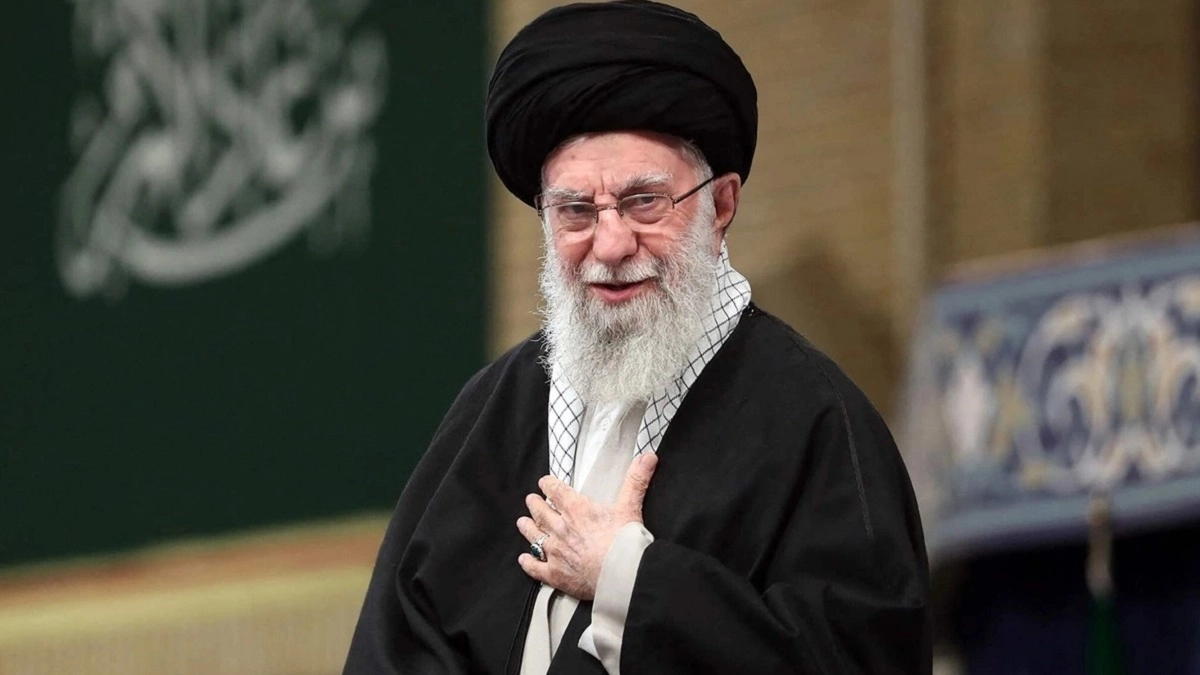
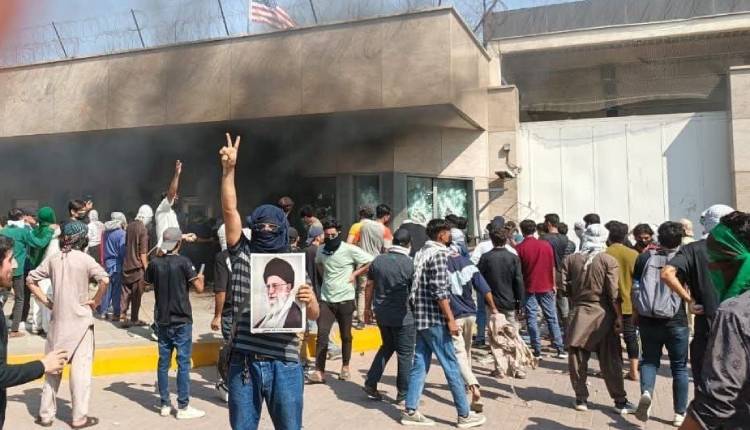
The genesis of these nationwide protests stems from unverified reports alleging a US strike against Iranian Supreme Leader Ali Khamenei. Subsequently, these volatile demonstrations resulted in tragic clashes, reportedly claiming the lives of at least 23 individuals across the nation. Reports indicate 10 fatalities occurred outside the US consulate in Karachi, 11 in Skardu, and two within Islamabad. Such events highlight the kinetic nature of public sentiment and its immediate repercussions on international relations.
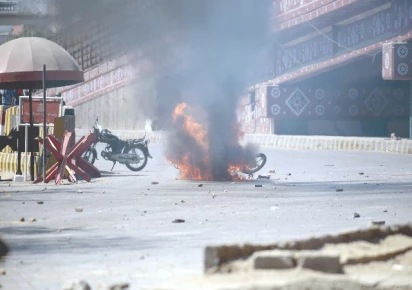
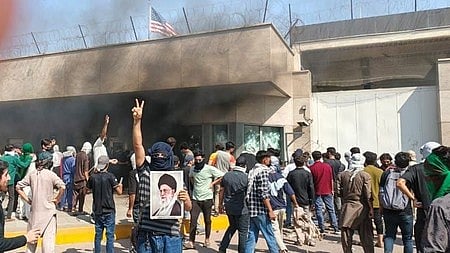
In Karachi, protestors attempted to breach the main gate of the consulate, prompting police to deploy tear gas. Gunfire was also reported during these intense confrontations. Concurrently, Lahore witnessed similar unrest, with security forces utilizing tear gas to disperse crowds. Meanwhile, Islamabad saw demonstrators attempting to advance towards the embassy, despite stringent security cordons and roadblocks established around the diplomatic enclave. These synchronized protest actions necessitated rapid response and crowd control measures by local authorities.
Socio-Economic Impact: Calibrating Daily Life for Pakistanis Amidst US Visa Appointments Delays
The cancellation of US visa appointments directly impacts thousands of Pakistani citizens. For students awaiting interviews for academic programs in the United States, this delay could jeopardize enrollment deadlines and scholarship opportunities. Consequently, professionals with scheduled business trips or critical conferences face disruptions to their international engagements, potentially affecting career trajectories and economic ventures. Moreover, families planning reunions or urgent medical travel now confront unexpected logistical hurdles and emotional distress.
In urban centers, the imposition of Section 144 in Punjab and Islamabad, prohibiting public gatherings, significantly alters daily routines. Businesses may experience reduced foot traffic, while public transportation could face intermittent disruptions. Rural populations, often relying on family remittances or agricultural exports, may feel the ripple effects of broader economic instability if these events escalate or persist. Therefore, the immediate consequence is a period of heightened uncertainty and logistical strain across various socio-economic strata.
- Students: Potential delays in academic admissions and scholarship processing.
- Professionals: Disruption of international business travel and critical deadlines.
- Families: Postponement of reunions, medical appointments, and urgent travel.
- Economy: Indirect impact on local businesses and broader economic confidence due to uncertainty.

The Forward Path: A Stabilization Move for System Efficiency
This development represents a Stabilization Move rather than a Momentum Shift. The US Embassy’s action is a precision-engineered response to immediate security threats, designed to safeguard personnel and maintain operational integrity. It is not an indicator of a fundamental shift in bilateral relations, but rather a temporary recalibration. Ultimately, the priority is to restore baseline security parameters to allow for the resumption of critical consular services, including US visa appointments. This strategic pause aims to prevent further complications, ensuring long-term system efficiency and the safety of all stakeholders.









