
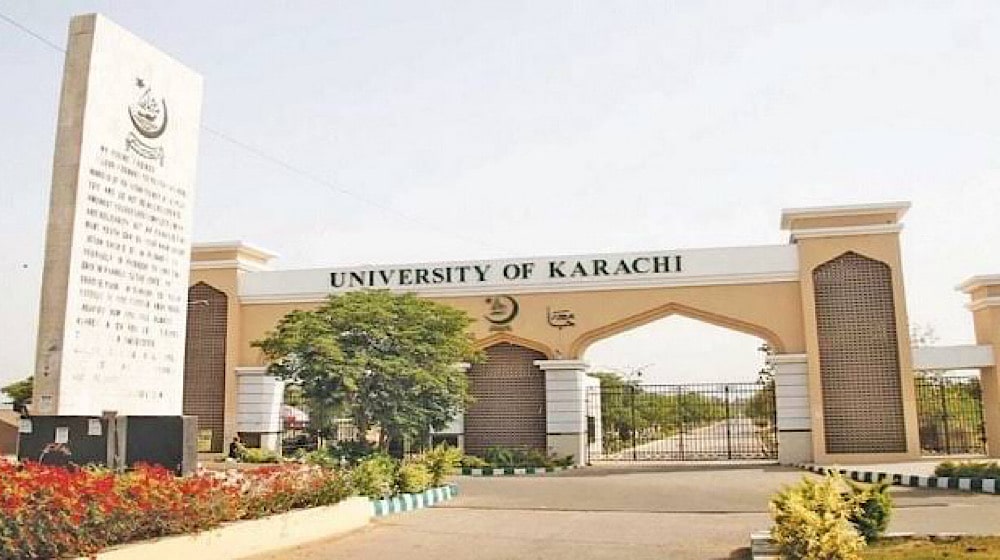
In a strategic move to optimize educational delivery, the University of Karachi (KU) has activated a new hybrid class schedule, commencing Thursday, April 2. This structural adjustment mandates in-person attendance two days weekly, specifically Mondays and Thursdays, establishing a precision-calibrated blend of physical and digital learning environments for all students. This pragmatic approach aims to enhance academic engagement while ensuring operational efficiency across the institution.
The Translation: Deconstructing the New Karachi University Schedule
The official notification from the University of Karachi delineates a clear framework for the revised academic operations. Morning sessions are scheduled from 9:00 a.m. to 5:00 p.m., while evening classes will operate from 3:30 p.m. to 9:00 p.m. on designated in-person days. Furthermore, the university has instructed all staff members to maintain consistent presence according to this new schedule, ensuring seamless administrative and instructional support. Consequently, online learning will remain the primary mode of instruction for the remaining three weekdays, maintaining continuity in academic progression.

Logistical Enhancements for Campus Engagement
To facilitate student access and engagement with the new hybrid model, comprehensive transport services will be fully operational on both designated in-person class days. This provision is critical for enabling consistent attendance, particularly for students commuting from various urban and rural sectors. Moreover, individual departments possess the autonomy to conduct MPhil and PhD classes on weekends. This flexibility allows for specialized academic requirements and research-intensive programs to proceed without disruption, underscoring a commitment to advanced scholarly pursuits.
The Socio-Economic Impact: Reshaping Daily Life for Pakistani Students
This structural recalibration of the Karachi University schedule directly impacts thousands of Pakistani students and their families. For students, the hybrid model introduces a disciplined routine, balancing structured campus interactions with the flexibility of remote study. This can reduce daily commuting burdens and associated costs on non-physical days, offering significant economic relief to households. Additionally, the availability of university transport services on in-person days minimizes logistical challenges, making higher education more accessible and less financially strenuous for a broader demographic, particularly those from less privileged backgrounds. This system supports a more equitable educational landscape.
Empowering Academic Progression and Efficiency
For working professionals pursuing higher degrees, such as MPhil and PhD candidates, the option for weekend classes provides an invaluable pathway to academic advancement without compromising professional commitments. This strategic adaptation by the University of Karachi aligns with the dynamic needs of Pakistan’s evolving workforce. Ultimately, this approach cultivates a more adaptive and resilient educational system, positioning graduates to contribute effectively to national development. The optimized schedule prioritizes both academic rigor and individual student welfare.
The “Forward Path”: A Momentum Shift Towards Adaptive Education
This initiative by the University of Karachi represents a clear Momentum Shift in Pakistan’s higher education sector. It is not merely a stabilization move but a proactive architectural blueprint for adaptive learning. The strategic integration of in-person and online modalities, coupled with enhanced logistical support, sets a new baseline for educational efficiency and student-centric planning. This calibrated approach positions KU as a catalyst for future innovation in academic delivery, fostering a generation of agile and digitally proficient professionals vital for Pakistan’s sustained advancement.








