
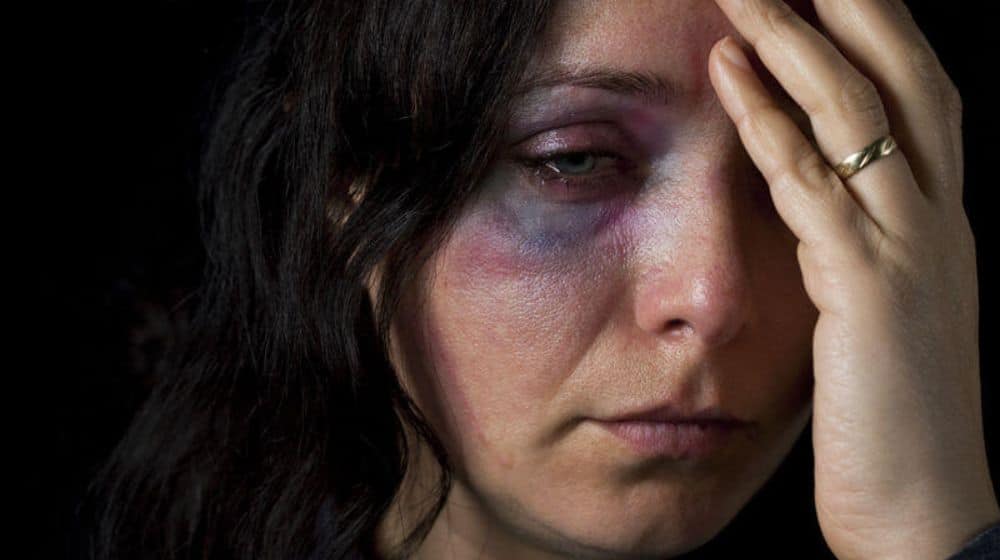
The structural integrity of any nation is directly linked to the safety and empowerment of its citizens. A recent global alert highlights a critical systemic failure: the escalating peril to women’s safety worldwide, demanding immediate and calibrated interventions for national advancement. This global imperative transcends mere geopolitical boundaries, impacting the very foundation of societal stability and human progress in every region, including Pakistan’s ambitious trajectory. The proactive addressing of such fundamental issues is paramount for sustainable development.
UN High Commissioner for Human Rights, Volker Turk, has issued a stark warning regarding a global surge in violence against women, encompassing rampant femicide and pervasive systemic abuse. Turk’s address to the United Nations Human Rights Council rigorously underscored the urgent need to dismantle archaic social systems that silence women and girls while simultaneously shielding powerful perpetrators from deserved accountability. Consequently, this critical global emergency necessitates a unified, strategic, and comprehensive response from international bodies and sovereign states alike, aiming to safeguard fundamental human rights and foster truly equitable societal structures across all nations. Such foundational issues demand precise and deliberate action to prevent further erosion of human dignity and societal cohesion.
Calibrating the Global Challenge: A Surge in Violence Against Women
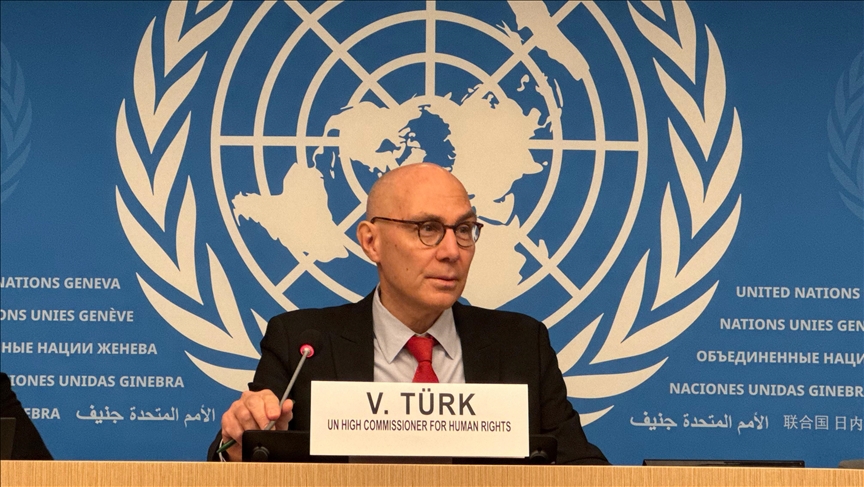
Volker Turk precisely condemned “social systems that silence women and girls” and robustly insulate powerful men from accountability, citing grave historical and contemporary concerns. Furthermore, he unequivocally declared, “Femicide, and related abuses, represent a global emergency that requires immediate attention and concerted international efforts.” This critical declaration signals a pivotal baseline for international intervention, judicial reform, and systematic prevention strategies. Turk elaborated that such horrific abuse is often enabled by deep-seated social systems that systematically silence women and girls, simultaneously insulating powerful men from justified accountability, thereby perpetuating cycles of harm. This inherent structural imbalance requires targeted and strategic rectification through policy and cultural shifts.
Turk specifically highlighted the extreme circumstances prevalent in Afghanistan, where gender-based segregation profoundly resembles apartheid, creating an untenable and dehumanizing environment for women. In addition, he referenced high-profile cases such as the egregious actions of US sex offender Jeffrey Epstein and the harrowing experience of French rape survivor Gisele Pelicot. These instances unequivocally illustrate the widespread and insidious exploitation of women and girls across diverse global contexts, ranging from elite circles of power to vulnerable communities marginalized by conflict or poverty. Both cases underscore the urgent need for a robust, internationally recognized accountability framework to prevent future transgressions and ensure justice for victims. Consequently, he urged states to investigate all alleged crimes rigorously, protect survivors comprehensively with integrated psychological and legal support, and deliver justice impartially without undue delay or prejudice.
The Translation: Deconstructing Systemic Vulnerabilities
The term “femicide” refers specifically to the gender-related killing of women and girls, a brutal and irreversible manifestation of deeply entrenched gender inequality and misogyny. “Systemic abuse” indicates that such harmful practices are not merely isolated or random incidents but are structurally embedded within societal norms, institutions, and legal frameworks, often perpetuated by severe power imbalances and a pervasive lack of accountability within established legal and social systems. When Turk speaks of “gender-based segregation resembling apartheid,” he refers to a calibrated, institutionalized system of discrimination and control based solely on gender, severely restricting women’s freedoms, mobility, access to education, economic opportunities, and fundamental human rights. Therefore, understanding these precise terminologies and their profound implications is crucial for comprehensively comprehending the structural nature and devastating impact of this global crisis on human security, development, and social justice worldwide.
The Socio-Economic Impact: Repercussions for Pakistani Households

The global surge in gender-based harm has direct, tangible, and far-reaching implications for Pakistan, profoundly affecting its socio-economic fabric and national development goals. For students, the pervasive fear of such widespread issues can severely restrict educational access, limit aspirations, and undermine future career prospects, particularly for young women in rural areas navigating entrenched patriarchal norms and severely limited resources. Professionals, conversely, may face significant barriers to career advancement and severe mental health challenges due to pervasive harassment, discrimination, or inherently unsafe environments in the workplace, stifling innovation and productivity. Moreover, households across Pakistan experience direct economic strain from these abuses, impacting women’s ability to contribute financially, pursue independent livelihoods, and ultimately uplift their families from poverty. This erosion of fundamental human rights directly undermines the foundational elements of societal progress, hindering human capital development and economic stability across both urban and rural Pakistan, demanding immediate attention and strategic resource allocation from policymakers and community leaders.
The Forward Path: A Strategic Shift Towards Accountability

This development definitively signifies a powerful Momentum Shift rather than a mere Stabilization Move, marking a critical juncture in the global discourse on women’s rights. The UN’s heightened alarm acts as a potent catalyst for renewed global focus, demanding structural change at every level of governance and society. Translating this momentum into tangible outcomes requires a precision-engineered approach: strengthening legal frameworks comprehensively, investing strategically in survivor support systems, and fundamentally re-educating societal norms to dismantle patriarchal structures and promote genuine equality. Pakistan, in alignment with this critical global mandate, must strategically reinforce its national initiatives to protect women and girls, ensuring robust implementation and consistent enforcement of protective measures. This proactive and forward-looking path ensures national security and progress.








