UK Dual Nationals Face Calibrated Entry Requirements
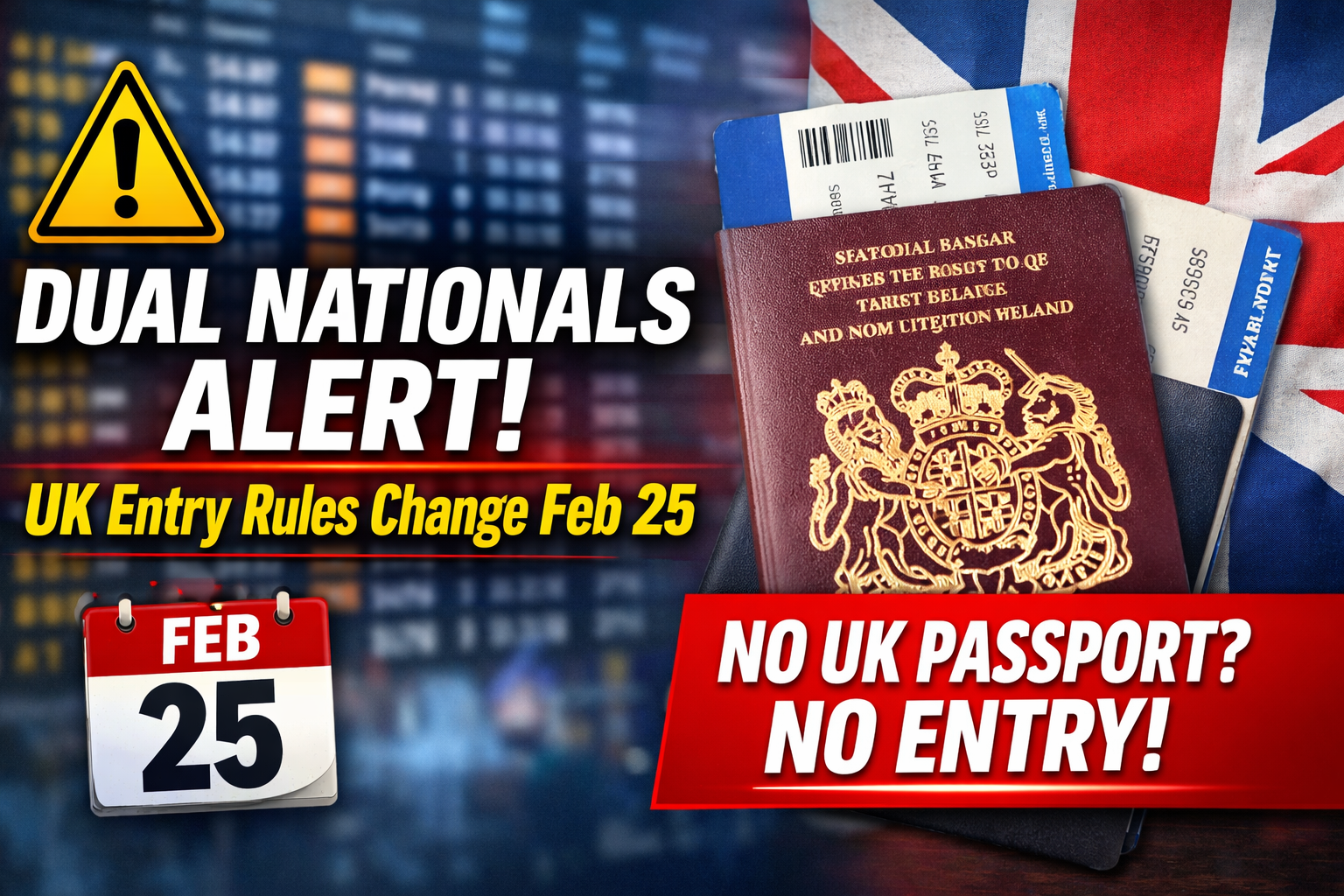
Effective February 25, 2026, the United Kingdom will implement a critical policy shift requiring all UK dual nationals to present a valid British passport for entry. Alternatively, travelers must secure a ‘certificate of entitlement,’ a document costing £589. This structural change aims to standardize border control, yet it introduces significant implications for Pakistani citizens holding dual nationality who previously relied on non-British passports. Furthermore, short-term visitors must apply for an Electronic Travel Authorization (ETA), priced at £16, signaling a comprehensive recalibration of UK entry protocols.
The Translation: Deciphering New Border Protocols
The UK Home Office has strategically announced updated border control requirements. Consequently, anyone traveling to the United Kingdom will require prior authorization unless they are British or Irish citizens, or fall under specific, designated exemptions. This directive means individuals with dual nationality can no longer solely depend on their non-British passport. Instead, they must either possess a British passport or ensure a £589 certificate of entitlement is affixed to their foreign passport before boarding any flight, ferry, or train bound for the UK. The Home Office states this policy reinforces a broader digitization effort, designed to streamline travel while simultaneously strengthening border security and immigration oversight.
The Socio-Economic Impact: Navigating Travel for Pakistani Citizens
This policy change directly impacts the daily lives of Pakistani citizens holding dual nationality, particularly those accustomed to fluid travel between the two nations. The mandatory £589 certificate of entitlement represents a substantial financial burden for families, students, and professionals. Consider a student planning to visit family; this new fee could significantly alter travel feasibility. For professionals, particularly those with frequent business travel needs, the added cost and administrative complexity could disrupt crucial engagements. Furthermore, the perceived lack of clear communication around these changes has generated frustration, suggesting potential delays and unforeseen costs for unprepared travelers. This necessitates proactive planning and precise adherence to the new guidelines for seamless entry.

The Forward Path: A Stabilization Move with Systemic Friction
From an architectural perspective, this development represents a stabilization move, designed to bolster national security and enhance system efficiency at the border. However, it simultaneously introduces systemic friction, particularly concerning the cost and accessibility of the new requirements. The EU citizens’ rights group, The 3 million, explicitly urges the government to reconsider the financial implications and administrative complexity. They advocate for a low-cost, one-time travel authorization, similar to calibrated systems observed in Canada. Monique Hawkins, head of policy and advocacy at The 3 million, precisely states, “The UK already has the technology to do this.” Therefore, while the policy’s intent is clear, its current implementation risks inadvertently creating barriers for its own citizens. A more accessible, technology-driven solution could mitigate these challenges, ensuring national advancement without undue burden.