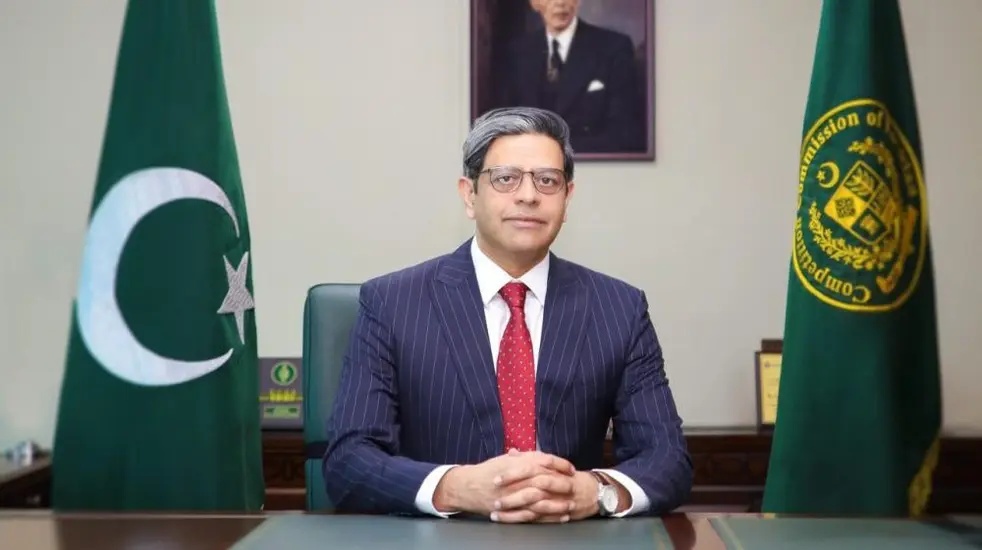
Pakistan’s economic framework receives a calibrated boost as the United Arab Emirates confirms a significant UAE loan rollover Pakistan of $2 billion for an extended duration. Deputy Prime Minister and Foreign Minister Ishaq Dar precisely articulated this development, assuring national stakeholders that these vital deposits remain secure and their rollover process will proceed automatically. This strategic extension is a critical component in fortifying Pakistan’s fiscal resilience, ensuring continuity in its economic stabilization efforts amidst global financial dynamics.
The Translation: Deconstructing Financial Commitments
Understanding the precise mechanics of a “loan rollover” is crucial for appreciating its structural impact. Essentially, a rollover signifies that a maturing loan is not immediately repaid; instead, its term is extended. In this scenario, the UAE has agreed to prolong the repayment period for a $2 billion deposit, providing Pakistan with essential liquidity and fiscal breathing room. This differs from a new loan; consequently, it alleviates immediate pressure on Pakistan’s foreign exchange reserves and enhances its capacity for strategic economic planning. Earlier this month, Pakistan secured a preliminary agreement for a two-month extension, underscoring the ongoing diplomatic and financial dialogues.
The Socio-Economic Impact: Stabilizing Daily Life
How does this UAE loan rollover Pakistan directly influence the daily life of a Pakistani citizen? This financial maneuver translates into tangible benefits, particularly for households and businesses. A stable foreign exchange reserve helps to mitigate currency devaluation, thereby controlling inflationary pressures on essential goods. For students, it means continued access to imported educational resources and a more predictable economic environment for future careers. Furthermore, professionals and urban households experience a greater sense of economic certainty, reducing volatility in market prices and investment climates. In rural Pakistan, this stability supports the importation of agricultural inputs and technology, bolstering the rural economy and food security. Therefore, this action represents a proactive measure to safeguard purchasing power and foster an environment conducive to sustained growth.
The Forward Path: A Stabilization Move
This development fundamentally represents a “Stabilization Move” for Pakistan’s economy. While not a new influx of capital, the UAE loan rollover Pakistan critically averts a potential drain on reserves, thereby maintaining baseline financial equilibrium. The nation is strategically seeking the rollover of approximately $12 billion in external deposits for the current fiscal year, including substantial commitments from Saudi Arabia and China. For instance, Saudi Arabia confirmed a one-year extension for its $3 billion deposit in December. Consequently, these coordinated efforts from key allies are instrumental in upholding Pakistan’s financial architecture, allowing for measured progress rather than reactionary crisis management. It provides a robust foundation upon which future growth initiatives can be calibrated and implemented.