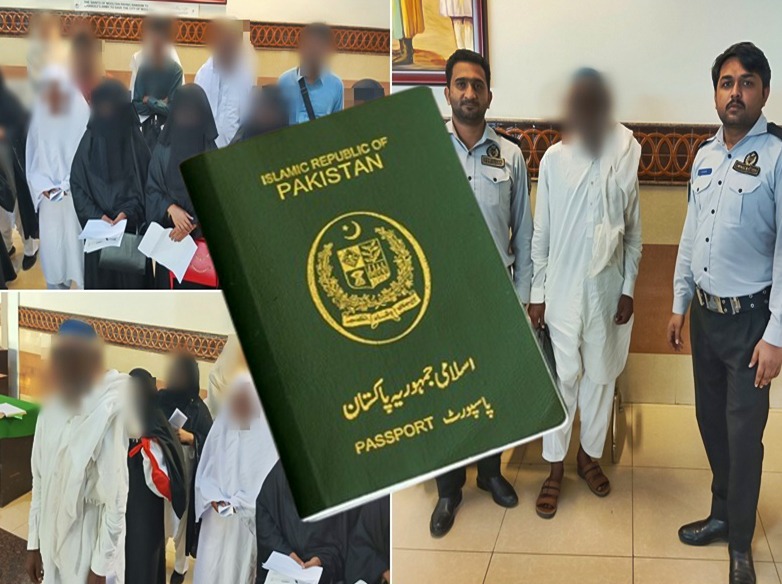
Calibrated Policy Adjustment: UAE Implements Temporary Transit Visa Suspension for Pakistanis
A recent operational directive has led to a temporary UAE visa suspension for 48-hour and 96-hour transit categories affecting Pakistani nationals. This critical development, announced via the VFS Global portal, signals a strategic re-evaluation of short-term entry protocols. Consequently, applicants holding Pakistani passports are currently unable to process these specific transit visas, necessitating a proactive adjustment in international travel planning. This precise policy adjustment underscores a focused effort by UAE immigration.
The Translation: Deconstructing the UAE Visa Suspension Protocol Shift
The UAE visa suspension pertains specifically to short-duration transit permits, which typically facilitate stays of up to two or four days for travelers en route to another global destination. The VFS Global platform, a key processor for UAE visa applications, now displays a clear notification regarding the unavailability of these categories for Pakistani passport holders. However, the official rationale behind this temporary halt remains undisclosed, and no specific end-date has been provided by UAE authorities. Therefore, a data-driven approach is paramount for understanding this calibrated adjustment.

Operational Directives and Application Protocols
The advisory emphatically instructs individuals not to submit applications within these suspended categories until further official notice. This minimizes processing inefficiencies and manages applicant expectations. Primarily, transit visas serve to accommodate brief stopovers in key hubs such as Dubai or Abu Dhabi. Consequently, this temporary restriction directly impacts those with multi-leg journeys planning short sojourns within the Emirates.
The Socio-Economic Impact: Navigating Travel Logistical Challenges
This UAE visa suspension introduces immediate logistical challenges for Pakistani students, professionals, and families planning international travel via UAE transit hubs. For instance, business travelers on tight schedules may need to recalibrate their routes, potentially incurring additional costs or delays. Moreover, students returning to universities abroad, or families visiting relatives in other countries, must now meticulously re-evaluate their transit options. This systemic change underscores the interconnectedness of global travel policies and their direct influence on individual mobility. Essentially, it necessitates a strategic shift in travel planning for a significant demographic.

Implications for Urban and Rural Connectivity
In urban centers, where international travel is more frequent, the impact will be felt in revised travel itineraries and increased scrutiny of alternative routes. Conversely, rural populations relying on simplified transit for essential international connections might experience greater complexity in arranging journeys. This situation demands enhanced awareness regarding official advisories to mitigate travel disruptions. Consequently, timely access to verified information becomes a critical resource for all Pakistani citizens planning international transit through the UAE.
The “Forward Path”: A Stabilization Move for System Efficiency
From an analytical perspective, this development represents a Stabilization Move rather than a Momentum Shift. While disruptive in the short term, such a calibrated adjustment typically aims to refine existing immigration frameworks or address specific operational requirements. It allows for a systematic review of processes, ensuring long-term efficiency and security within the UAE’s transit system. Furthermore, it reflects a sovereign decision to manage inbound transit flows with enhanced precision, focusing on baseline structural integrity.

Proactive Engagement and Future Protocols
Looking ahead, Pakistani authorities and citizens alike must proactively engage with official UAE channels. This strategic approach ensures compliance with evolving protocols and minimizes future travel impediments. The current directive serves as a catalyst for optimizing information dissemination and fostering a greater understanding of international travel regulations. Ultimately, such measures contribute to the structural robustness of global travel frameworks. Consequently, maintaining vigilance for updated advisories is paramount.
Official Channels and Travel Advisory
Pakistani nationals contemplating travel through the UAE are strongly advised to consult official sources for the most current information. Specifically, the Emirates airline website and the VFS Global UAE portal are designated channels for verified updates. Adhering to these advisories before finalizing any travel arrangements is essential. This prevents unforeseen complications and ensures seamless international transit. Ultimately, precise information acquisition is the foundation for efficient travel.