

UAE Loan Rollover: Pakistan Secures $2 Billion Extension for Fiscal Stability
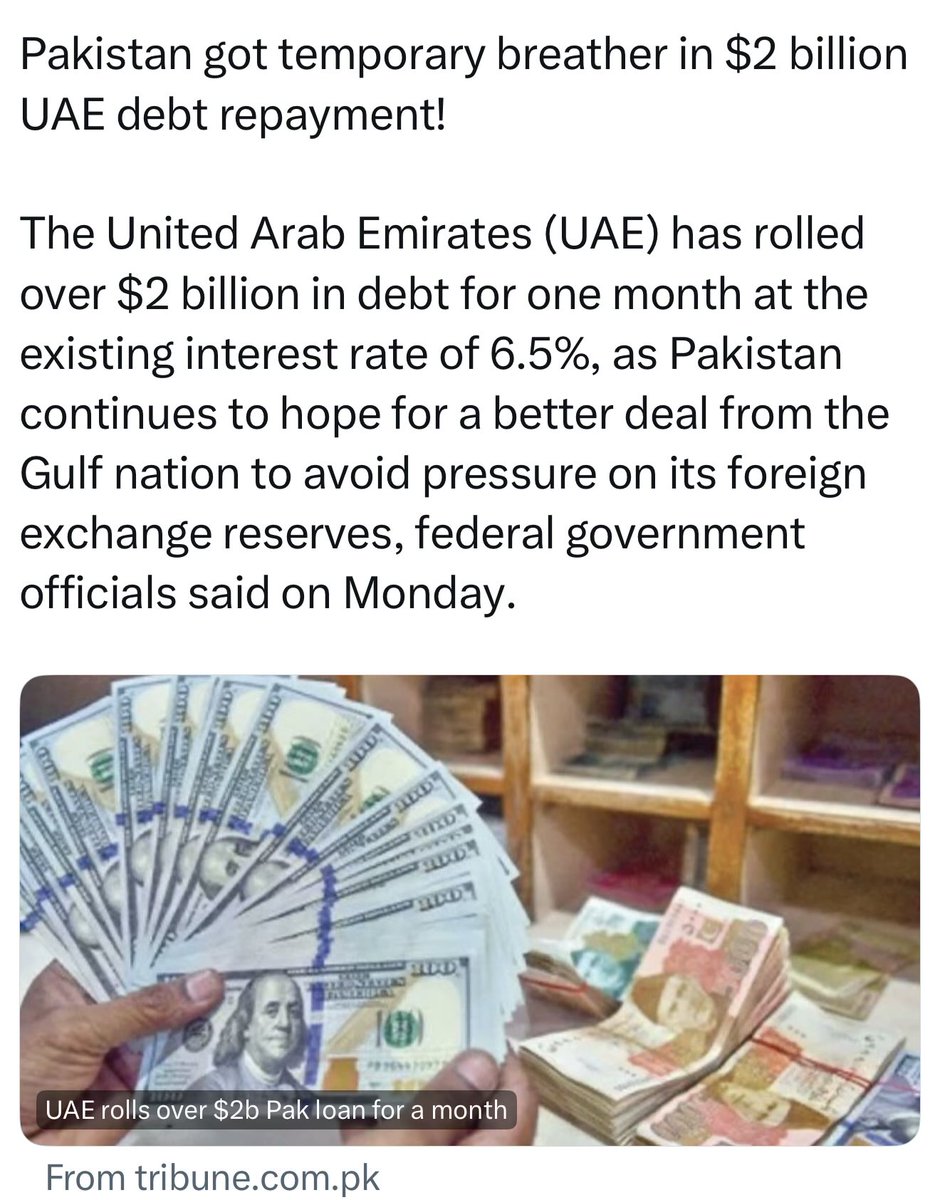
Pakistan’s fiscal architecture receives a critical, short-term UAE loan rollover of $2 billion, extended for one month at a 6.5% interest rate. This immediate financing mechanism highlights Islamabad’s calibrated reliance on external support to stabilize its foreign exchange reserves, while longer-term negotiations for reduced rates and extended maturity are actively pursued. This strategic extension prevents a significant depletion of Pakistan’s current reserves, thereby maintaining essential economic equilibrium and averting potential market volatility.
The Translation: Deconstructing the Short-Term Fiscal Extension
The United Arab Emirates has precisely executed a one-month extension for two distinct $1 billion facilities that recently matured. This calibrated decision, a notable departure from previous annual extensions, directly reflects ongoing, intensive negotiations between the two nations. These discussions aim to finalize the precise tenor and optimal pricing of the debt. Pakistan, consequently, is actively pursuing a more favorable, two-year extension coupled with a significantly reduced interest rate, targeting approximately 3%. This strategic objective is crucial for alleviating sustained pressure on the nation’s external financial accounts and securing its long-term economic trajectory. Therefore, this short-term measure grants both parties essential time to finalize mutually beneficial terms that align with sustainable fiscal planning.
Socio-Economic Impact: Stabilizing Daily Life for Pakistanis
This critical UAE loan rollover directly impacts the daily economic stability of Pakistani citizens. A robust foreign exchange reserve baseline is absolutely crucial for enabling the timely import of essential goods, including staple foods, life-saving medicines, and critical industrial raw materials. Consequently, maintaining these reserves helps to stabilize the Pakistani Rupee, which in turn significantly mitigates inflationary pressures on household budgets. For professionals, this fiscal certainty translates into a more predictable operating environment, fostering conditions conducive to business planning and investment. Furthermore, for students, it safeguards access to imported educational resources and technology. The existing 6.5% interest rate, equating to approximately $130 million annually, underscores the significant recurring cost of this external financing, inevitably impacting national development funds and public services.
The Forward Path: A Stabilization Move for Strategic Dialogue
From a structural perspective, this development unequivocally represents a “Stabilization Move” rather than a definitive “Momentum Shift.” While the short-term extension prevents immediate fiscal strain, its primary function is to serve as a strategic pause, facilitating deeper and more comprehensive negotiations. This critical window buys essential time for Pakistan to reinforce its financial position and to meticulously advocate for more sustainable, long-term financing conditions. However, continued reliance on such short-term mechanisms necessitates an aggressive and robust internal fiscal reform agenda. This strategic imperative is paramount for achieving genuine economic autonomy and resilience. Ultimately, the nation’s long-term trajectory depends on transcending temporary solutions towards establishing systemic financial strength and sovereign stability.









