In a significant stride for national advancement in medical science, researchers in the United States have achieved a foundational breakthrough: a successful Type 1 Diabetes cure in mice. This innovative method leverages a “chimeric” immune system, strategically enabling insulin-producing cell transplants without the historical reliance on lifelong immune-suppressing drugs. Consequently, this calibrated approach represents a structural shift in diabetes treatment paradigms, offering unprecedented potential for human application.
The Translation: Deconstructing the Immune System’s Role
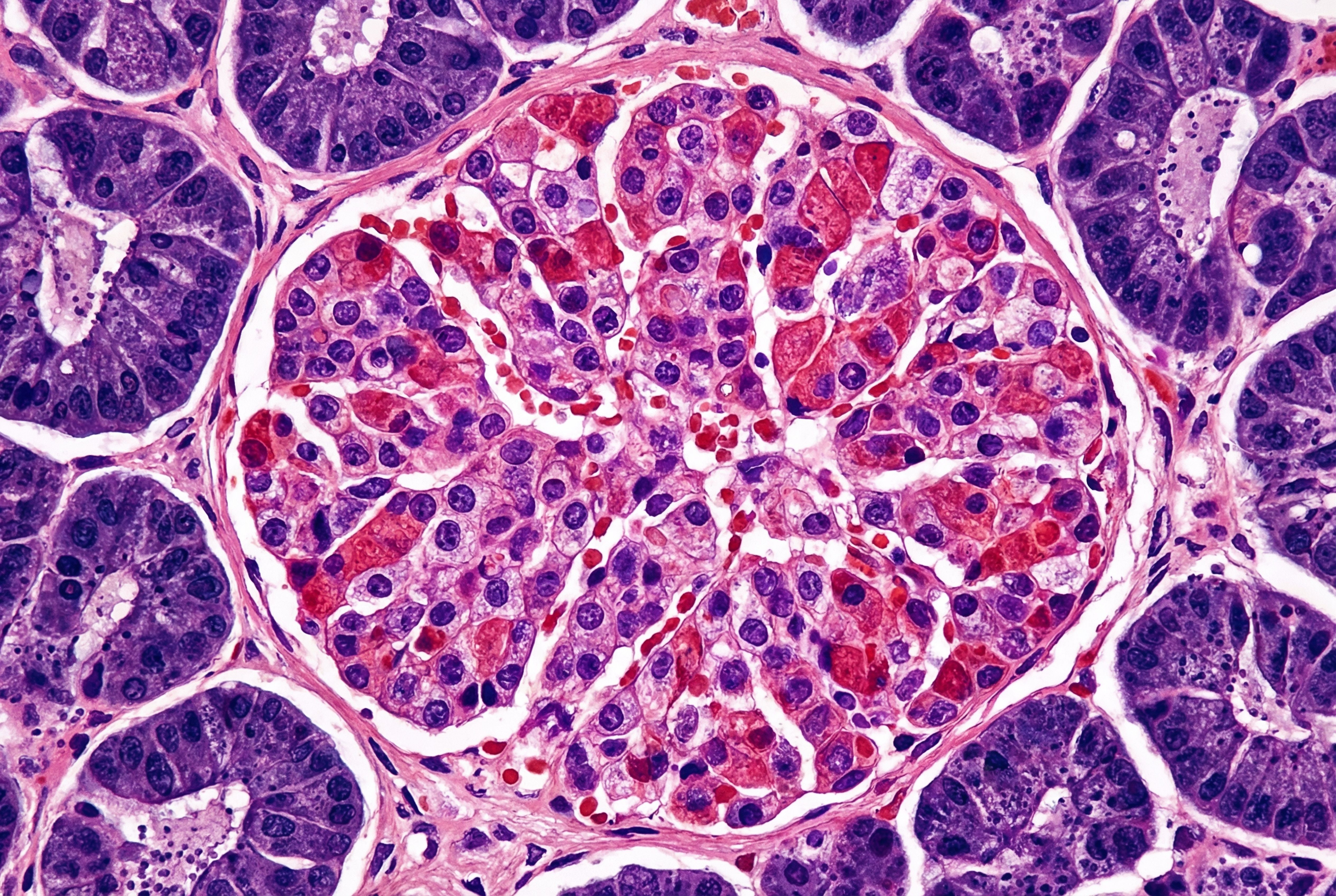
Type 1 diabetes manifests when the body’s own immune system erroneously targets and destroys the vital insulin-producing islet cells located within the pancreas. Historically, traditional islet cell transplants, while effective, mandated aggressive immunosuppressive regimens. These powerful medications, furthermore, exposed patients to severe risks, including heightened susceptibility to infections and various adverse side effects, severely limiting their broader clinical utility. However, the new methodology precisely re-engineers this critical process.

A pioneering team led by Dr. Judith Shizuru at Stanford University engineered this sophisticated method, structurally blending the recipient’s and donor’s immune systems. This intricate process effectively ‘re-educates’ the host immune system. Specifically, it fosters tolerance for the newly transplanted cells while simultaneously neutralizing the specific immune cells that previously initiated attacks on the pancreatic islets. This precision engineering represents a strategic intervention at the immunological baseline.
The team’s regimen was meticulously multistep, integrating various antibodies, low-dose radiation, and baricitinib, a drug commonly used for rheumatoid arthritis. This comprehensive approach, moreover, deliberately created sufficient space within the bone marrow for donor stem cells. Crucially, it achieved this without completely eradicating the host’s existing immune system, thus maintaining a degree of systemic resilience. Following transplantation, the treated mice consistently maintained stable insulin production for over 20 weeks, validating the method’s efficacy; their immune systems, furthermore, remained robustly functional, exhibiting no rejection of the transplanted grafts.
The Socio-Economic Impact: A New Baseline for Health in Pakistan
How does this scientific advancement impact the daily life of a Pakistani citizen? This breakthrough offers a potential paradigm shift. For students and young professionals diagnosed with Type 1 Diabetes, the prospect of an immunosuppressant-free Type 1 Diabetes cure means liberation from chronic medication, enabling uninterrupted educational pursuits and career progression. Consider, for instance, a student no longer facing the debilitating side effects of daily drugs, or a professional able to perform without the constant burden of managing immune suppression. Furthermore, it significantly reduces healthcare costs associated with long-term immunosuppression and infection management, a critical consideration for urban and rural households across Pakistan.
For families, particularly those in rural areas with limited access to specialized care, this innovation could translate into a healthier, more productive populace. Reduced hospital visits and fewer complications from chronic medication could alleviate significant financial and emotional strain. Moreover, a successful human translation would fundamentally enhance the quality of life for thousands, allowing them to contribute more actively to the nation’s economic and social fabric. This advancement sets a new baseline for public health aspirations, driving forward the collective potential of our citizens.

The “Forward Path”: A Momentum Shift for Medical Innovation
This development undeniably represents a Momentum Shift in medical innovation. While experts, including Dr. John DiPersio, an oncology and cellular therapy expert, rightly caution that translating this approach to humans presents significant challenges, the foundational success in mice provides a robust blueprint. Key challenges include securing precisely matched donors, ensuring the long-term stability of a mixed immune system, and identifying human-compatible antibodies. Nevertheless, the strategic approach of re-educating the immune system, rather than simply suppressing it, is a profound conceptual leap. This methodological precision sets the stage for future clinical trials, positioning it as a catalyst for future breakthroughs. Pakistan must, therefore, strategically invest in parallel research and development to align with these global advancements, ensuring our national healthcare infrastructure is prepared for such transformative treatments.