
Turkey Seeks Entry: Reshaping the Regional Dynamic
Recent reports suggest a significant shift in the geopolitical landscape. Turkey Defense Alliance discussions are underway, with Turkey actively pursuing membership in an existing strategic mutual defense agreement. This pact already binds Pakistan and Saudi Arabia. Such an expansion is more than merely an administrative change. Instead, it could fundamentally reshape security dynamics across the vast Muslim world and beyond. If finalized, this trilateral alliance would establish a stronger, more interconnected, and formidable defense framework among three key regional powers, each bringing unique strengths to the table.
Last September, Pakistan and Saudi Arabia formally signed the existing pact in Riyadh. This unprecedented commitment dictates that a hostile act or attack on one nation would be an act of aggression against both. This foundational agreement has paved the way for deeper military, intelligence, and strategic cooperation. A shared vision drives these efforts: to bolster collective security and counter emerging threats in an increasingly volatile global environment. Consequently, Turkey’s reported desire to join this potent alliance signals Ankara’s proactive move. It aims to strengthen regional influence, enhance national security, and meaningfully contribute to a broader Islamic defense posture.

Sources familiar with these ongoing discussions suggest that talks regarding Turkey’s inclusion have reached an advanced and critical stage. A deal appears increasingly likely in the near future. Such an agreement would dramatically enhance the combined defensive capabilities of all three nations. Furthermore, it would send an unequivocal message about their unwavering commitment to mutual security, regional stability, and collective deterrence. This highly anticipated move comes at an opportune time. Global power shifts, persistent regional conflicts, and the rise of non-state actors necessitate stronger, more unified alliances and meticulously coordinated defense strategies among like-minded sovereign nations. Therefore, the convergence of these three powerful Muslim states could mark a new era in regional security architecture.
Foundation of Strength: The Pakistan-Saudi Strategic Defense Pact
The Strategic Mutual Defense Agreement between Pakistan and Saudi Arabia, formalized with much fanfare in September, stands as the robust cornerstone of this evolving security architecture. This landmark pact transcends traditional military cooperation. Instead, it enshrines a profound principle of collective defense, signifying an unprecedented level of trust, shared strategic interests, and a unified vision for regional stability. Both nations, acutely aware of their pivotal and influential roles within the broader Muslim world, have committed unequivocally to safeguarding each other’s sovereignty, territorial integrity, and national interests against any form of external aggression or internal destabilization efforts.
Under the agreement’s comprehensive terms, Pakistan is a recognized nuclear power possessing a highly experienced military. Saudi Arabia is a major economic powerhouse and influential diplomatic player in the Middle East. Both solemnly pledged to treat any hostile action or act of aggression against either party as a direct and unforgivable assault on both. This crucial provision serves as an exceptionally powerful deterrent. It unequivocally signals to any potential aggressor that a challenge to one member would inevitably invite a coordinated, formidable, and collective response from a deeply integrated alliance. Many interpret the pact as a strategic maneuver to actively counter pervasive regional instability, safeguard critical economic lifelines, and ensure the long-term security of vital strategic assets belonging to both signatory nations.

Beyond the core principle of mutual defense, the agreement also encompasses a much broader spectrum of cooperation across various military domains. This includes extensive joint military training exercises, robust intelligence sharing mechanisms, and collaborative initiatives in defense production and procurement. This multi-faceted and holistic approach aims to construct a comprehensive and resilient defense system. It is fully capable of addressing a wide range of contemporary security challenges, from conventional warfare scenarios to asymmetric and hybrid threats. The prospective integration of Turkey into this already robust framework would undoubtedly amplify these combined capabilities exponentially, bringing in another significant military power and a rapidly advancing defense industry to further solidify the alliance’s collective strength and strategic depth. This expansion would create a truly formidable force in the region.
Turkey’s Strategic Imperative and Contributions to the Alliance
Turkey’s pronounced and sustained interest in joining the Pakistan-Saudi Defense Pact is deeply rooted in a strategic imperative. Ankara aims to significantly enhance its deterrence capabilities and solidify its geopolitical standing within an increasingly fluid and dynamic global landscape. Ankara perceives participation in such a high-stakes, multi-national framework as an absolutely crucial step towards strengthening its own national security at a critical juncture. This is particularly evident with shifting regional dynamics in the Eastern Mediterranean, the volatile Black Sea region, and the broader Middle East. By strategically aligning itself with formidable partners like Pakistan and Saudi Arabia, Turkey aims to construct a stronger bulwark against potential adversaries, mitigate emerging threats, and project a far greater degree of influence and stability across its spheres of interest.
The report underscores the profoundly complementary strengths and invaluable contributions that Turkey would bring to this nascent alliance. Saudi Arabia’s immense financial capacity and Pakistan’s well-established military prowess would be synergistically combined with Turkey’s rapidly advancing indigenous defense industry and its extensive, battle-hardened operational experience. Turkey has achieved remarkable and internationally recognized strides in sophisticated defense technology. Specifically, it excels in state-of-the-art drone manufacturing, advanced naval shipbuilding, and cutting-edge aerospace engineering. These are precisely the areas where Turkey has already cultivated close and productive ties with both Pakistan and Saudi Arabia, demonstrating a proven track record of successful collaboration.
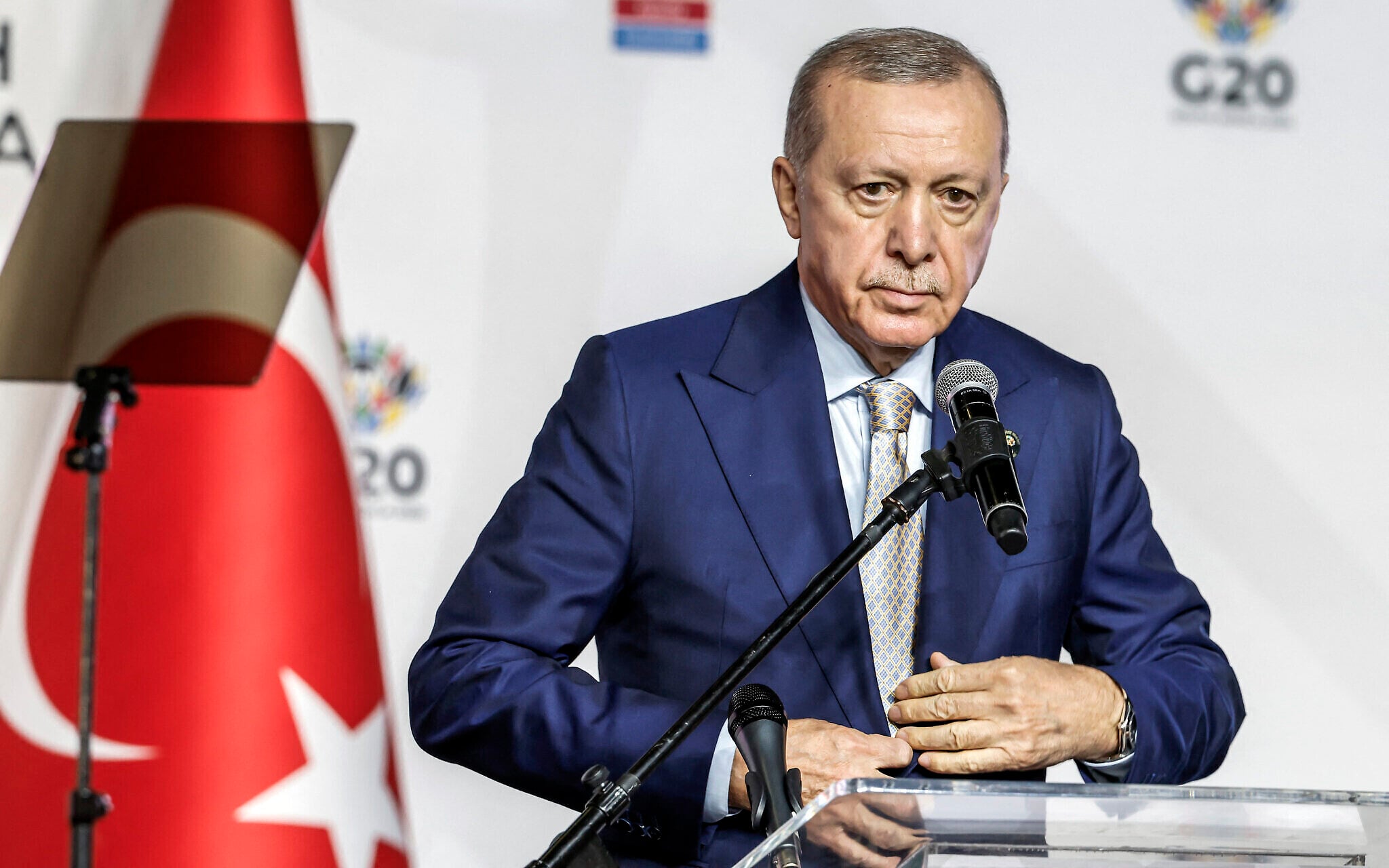
Indeed, Turkey’s extensive and sophisticated existing defense collaborations with both nations serve as compelling evidence of the natural and strategic fit. Ankara has played an instrumental role in the construction of modern corvette warships for the Pakistan Navy. Furthermore, it has provided crucial assistance in upgrading the Pakistan Air Force’s formidable F-16 aircraft fleet, significantly enhancing its capabilities. Additionally, Turkey actively shares its cutting-edge drone technology with both Pakistan and Saudi Arabia, facilitating crucial technological transfer and operational readiness. Beyond these, exploratory discussions and joint initiatives concerning advanced fighter aircraft programs indicate a long-term vision for deep defense industrial cooperation. These well-established and successful relationships provide an exceptionally solid foundation for an expanded, formalized defense alliance, promising seamless integration, accelerated cooperation, and a unified approach to shared security challenges.
Geopolitical Impact: Redefining Regional and Global Security
The potential inclusion of Turkey in the Pakistan-Saudi defense pact carries profoundly significant geopolitical implications. It possesses the undeniable capacity to fundamentally alter the existing balance of power across several crucial regions. This prospective trilateral alliance would effectively consolidate a formidable bloc of influential Muslim nations, strategically pooling their collective military, economic, technological, and diplomatic resources. Such an unprecedented alignment could serve as an exceptionally powerful counterweight to other established regional influences. Consequently, it could potentially lead to a comprehensive redefinition of existing security arrangements, not only in the Middle East and South Asia but also extending its reach to North Africa and parts of Central Asia. The ripple effects of this alliance are expected to be felt across the international strategic community.
Seasoned geopolitical analysts and defense experts suggest that this expanded pact could foster substantially greater stability within its member states. It would present a robust deterrent to external aggression. Moreover, it would promote highly coordinated responses to a wide array of shared security threats, including transnational terrorism, cyber warfare, and regional conflicts that risk broader destabilization. However, other global and regional powers might view this powerful new alignment with considerable apprehension and caution. It could potentially instigate a swift re-evaluation of their own existing alliances, strategic postures, and defense doctrines. The formation of such a strong, religiously and strategically aligned bloc, encompassing significant military and economic might, could inevitably trigger new and complex diplomatic, economic, and security considerations for neighboring countries like Iran and India, and even for major global powers with vested interests in these regions.

The continually deepening defense engagement between Saudi Arabia and Turkey, vividly exemplified by their recent historic naval meeting held in Ankara, further underscores accelerating strategic convergence and shared vision among these nations. While officials from Pakistan, Turkey, and Saudi Arabia have, understandably, maintained discreet silence and refrained from publicly commenting on circulating reports, the quiet yet steady advancements in these intricate discussions strongly suggest a deliberate, well-considered, and highly strategic move. They aim towards constructing a more integrated and formidable defense architecture. This significant development highlights a broader and discernible trend among influential Muslim nations: a growing desire and concerted effort to forge stronger, more independent security frameworks aimed at effectively protecting their core national interests and collectively projecting their combined strength and influence onto the complex and ever-evolving international stage. This alliance could indeed redefine regional power dynamics for decades to come.
Conclusion: A Shifting Power Axis in the Muslim World
The highly anticipated prospect of Turkey joining the established Pakistan-Saudi defense pact represents a truly pivotal and potentially transformative moment in the intricate tapestry of regional and international relations. If this vision is fully realized, this significantly expanded Turkey Defense Alliance would undoubtedly create a powerful and influential new axis of cooperation among three of the most influential and strategically located Muslim nations, each contributing distinct and complementary strengths to the collective endeavor. From Pakistan’s well-established and formidable military might and strategic nuclear capabilities to Saudi Arabia’s immense economic leverage and vital energy resources, and finally, to Turkey’s rapidly burgeoning indigenous defense industry and extensive operational experience across diverse theaters, the synergistic combination of these assets could establish an incredibly robust and adaptable security framework eminently capable of addressing the multifaceted and evolving challenges of the 21st century.
This dynamic and rapidly evolving defense landscape unequivocally underscores a growing desire and a concerted effort among these nations. They seek to assert greater autonomy and self-reliance in their security affairs. It also reflects a collective ambition to collaboratively safeguard their shared interests and values in an increasingly multipolar and interconnected world. The profound implications of such an expanded alliance would undoubtedly resonate far beyond their immediate geographical borders, influencing regional stability, reshaping intricate diplomatic relationships, and potentially catalyzing further strategic realignments among other nations that closely observe these developments. The international community, particularly major global powers and regional rivals, will undoubtedly watch keenly as these critical discussions unfold, anticipating with great interest the emergence of a potentially transformative new power dynamic within the Muslim world and its broader impact on global security architecture.








