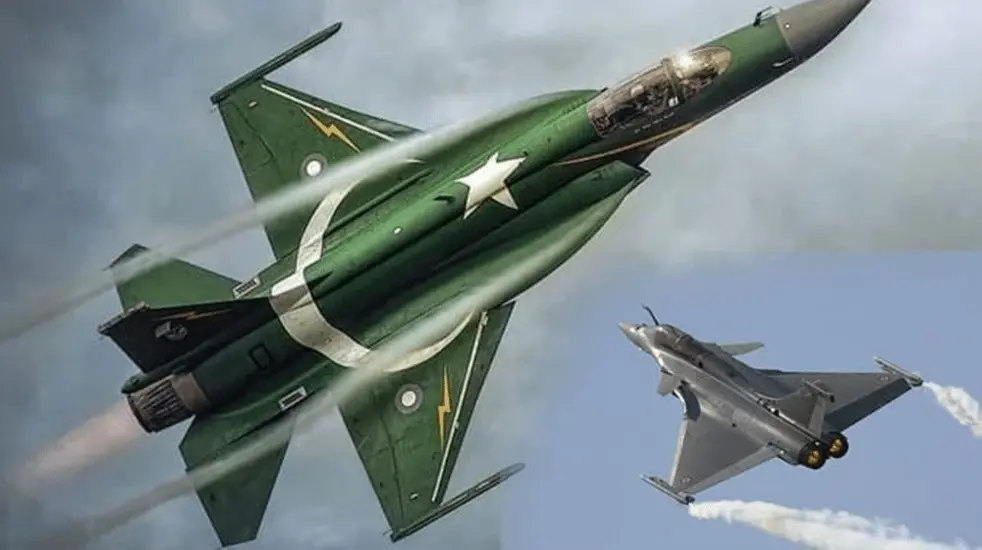
Understanding the Projected Surge in Iran Oil Prices
A rigorous academic analysis projects that ongoing geopolitical conflicts, particularly involving Iran, could escalate, potentially driving Iran oil prices to an unprecedented $200 per barrel. This structural shift in global energy markets necessitates immediate strategic calibration, as it threatens to trigger a worldwide food crisis and reconfigure the foundational petrodollar system. Consequently, understanding these intricate dynamics is critical for national economic stability.
The Translation: Decoding Geopolitical Energy Dynamics
Professor Chang, a Chinese-Canadian academic, asserts that the current conflict involving Iran shows no signs of rapid de-escalation. Instead, he warns of its potential to mirror the protracted Russia-Ukraine War, evolving into an extended geopolitical struggle. Furthermore, this prolonged engagement would severely disrupt global energy supplies. The resulting price shock, potentially pushing crude oil to $200 per barrel, would cascade across economies. It would sharply increase transport and production costs globally. Consequently, already fragile food supply chains would experience immense pressure.
A key implication involves agricultural costs. Rising energy prices directly translate into higher expenses for fertilizers, logistics, and crucial irrigation systems. This direct correlation elevates the risk of widespread food shortages, specifically impacting vulnerable regions. Moreover, the United States finds itself deeply entangled in this conflict, facing limited strategic maneuvers. Professor Chang suggests that any attempt by Washington to resolve the war could prompt Iran to demand substantial compensation for damages and insist on a complete US military withdrawal from the Middle East.

A potential US withdrawal from the Gulf region carries significant financial ramifications. Structurally, it could weaken the petrodollar system, which underpins global oil transactions in US dollars. A strategic shift away from this established system would systematically undermine a crucial pillar of the American economy. Consequently, this scenario poses a complex challenge to global financial stability.
The Socio-Economic Impact: How Pakistanis Will Adapt to Energy Shifts
The projected surge in Iran oil prices directly impacts the daily financial baseline for Pakistani citizens. For instance, urban households will contend with significantly higher fuel and utility costs, tightening household budgets. In contrast, rural communities face an escalating challenge: increased expenses for agricultural inputs like fertilizers and irrigation, potentially limiting food production and exacerbating a potential global food crisis. Students and professionals will experience rising commuting costs, impacting disposable income and potentially restricting access to educational or career opportunities. This requires a systemic adaptation from all sectors.
- Urban Households: Calibrated budgets will be essential to manage increased transportation and energy expenditures.
- Rural Communities: The agricultural sector requires strategic support to mitigate rising input costs and ensure food security.
- Students & Professionals: Public transportation enhancements and remote work strategies could alleviate rising commuting burdens.
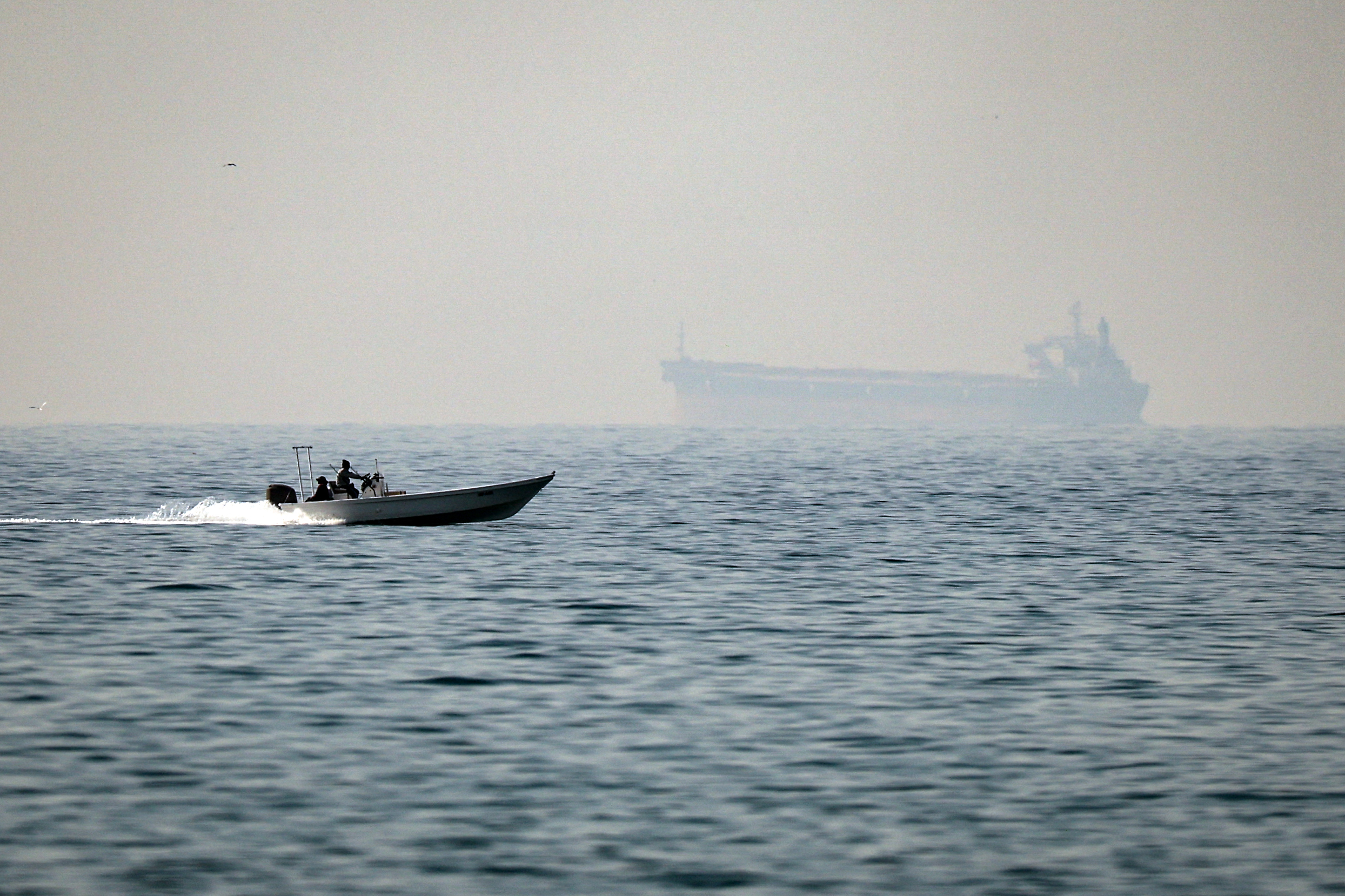
The “Forward Path”: Navigating Systemic Vulnerabilities
This emerging energy landscape represents a Stabilization Move rather than a “Momentum Shift” for Pakistan. While the immediate focus must be on mitigating the impending economic shocks, the long-term imperative is to accelerate our transition to diversified energy sources. Relying heavily on imported fossil fuels creates systemic vulnerability. Therefore, strategic investment in renewable energy infrastructure and indigenous resource development is paramount. Pakistan must proactively architect its energy independence to safeguard national advancement against external geopolitical volatilities and potential energy supply disruption.