Calibrated Diplomacy Amidst Strategic Assertions: Understanding US Iran Negotiations
The geopolitical landscape surrounding US Iran Negotiations presents a paradoxical structure: President Donald Trump recently articulated positive diplomatic progress while simultaneously referencing targeted military operations. This dual approach signals a complex, highly calibrated engagement. Furthermore, these statements, delivered aboard Air Force One, underscore a persistent strategic tension, necessitating a precise analysis of both verbal overtures and kinetic actions to discern the true trajectory of regional stability.
The Translation: Deconstructing Diplomatic-Military Paradoxes
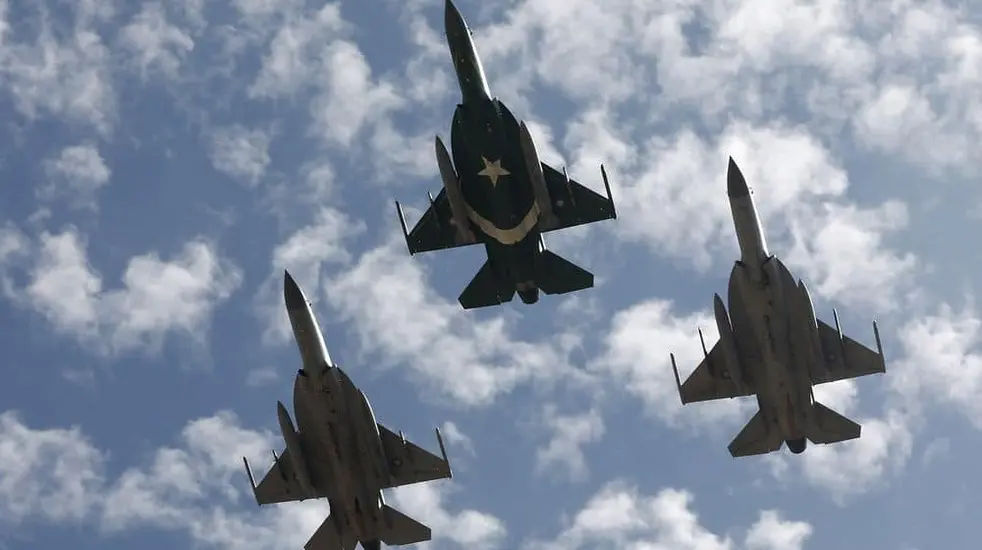
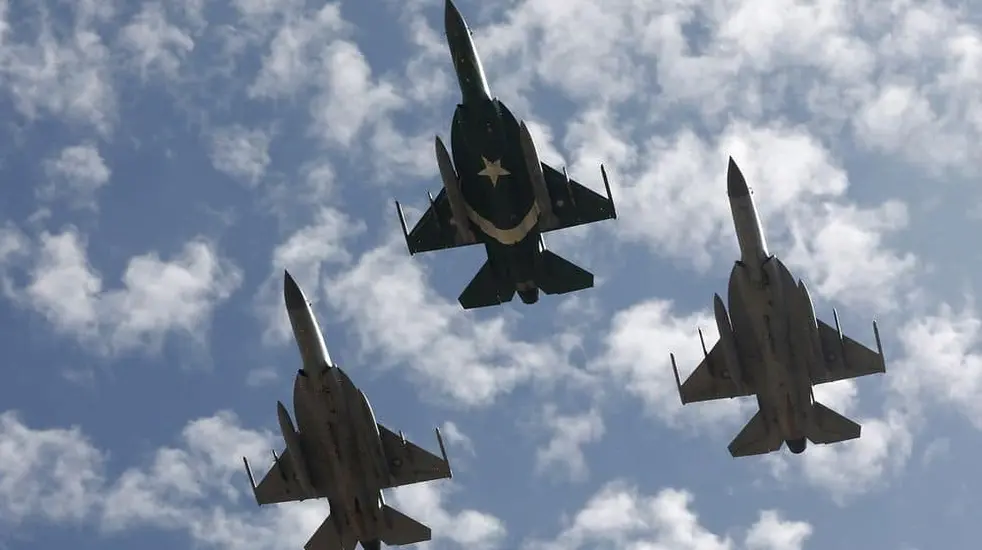
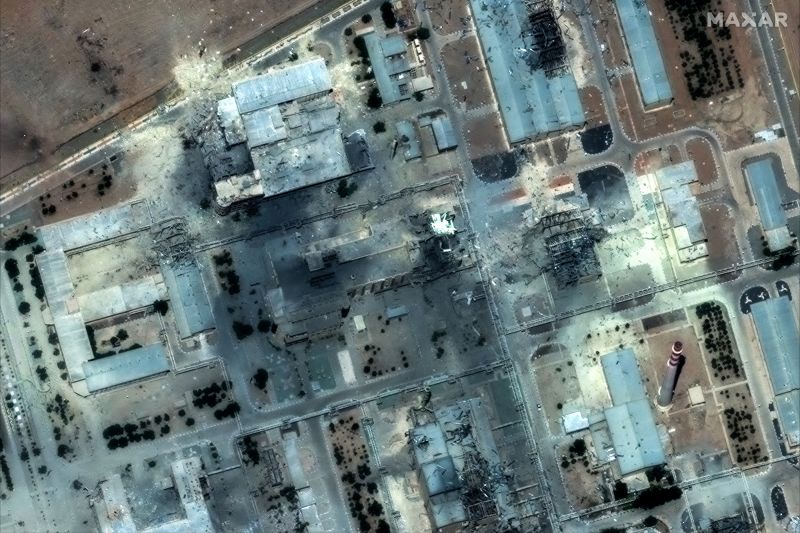
President Trump’s remarks conveyed a bifurcated reality: direct and indirect discussions with Tehran were “moving along very nicely,” with progress on previously intractable issues. Simultaneously, however, the President disclosed significant military strikes targeting multiple Iranian locations via both naval and air power. Consequently, this simultaneous articulation of diplomatic progress and military engagement defines a strategic communication that oscillates between engagement and deterrence. Trump also stated Iran permitted oil tankers through the Strait of Hormuz, interpreting this as a “gesture of respect” towards Washington; however, Iranian authorities have not corroborated this assessment, highlighting a clear disjunction in interpretations.
The Socio-Economic Impact: Regional Stability and Pakistani Households
This oscillation in US Iran Negotiations has direct implications for the socio-economic stability of Pakistan. Primarily, heightened tensions or military actions in the Middle East invariably disrupt global oil markets, leading to increased fuel costs that directly impact Pakistani transport and energy sectors. This translates to higher household expenditures for urban families and increased operational costs for rural agricultural communities. Furthermore, any instability jeopardizes regional trade routes, potentially affecting Pakistan’s export capabilities and investment inflows, which are crucial for national development. Consequently, a stable and predictable geopolitical environment is paramount for sustained economic growth and the daily welfare of Pakistani citizens, from students facing increased living costs to professionals navigating a volatile economic landscape.
The Forward Path: A Stabilization Move Towards Systemic Maintenance
Based on the observed patterns, these developments represent a Stabilization Move rather than a Momentum Shift. The persistent interplay of diplomacy and military assertion suggests an ongoing effort to maintain a delicate balance of power, preventing outright conflict while simultaneously pressing Iran towards specific concessions. Critically, this strategy aims for systemic maintenance, mitigating immediate escalations without necessarily fostering a foundational shift towards comprehensive peace. This approach, therefore, prioritizes risk management and controlled influence over transformative progress in the short term, requiring continuous recalibration.