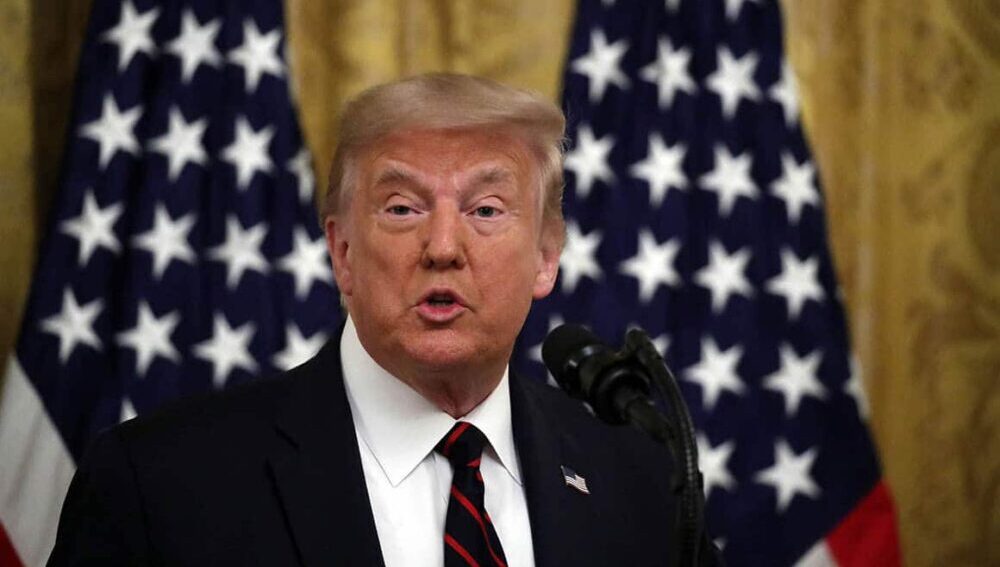
A significant shift in global geopolitical strategy is underway as Donald Trump reportedly plans a unilateral Iran War End within weeks, contingent on confidence in Tehran’s nuclear capabilities. This strategic repositioning could occur irrespective of any formal agreement or the reopening of the crucial Strait of Hormuz. Consequently, financial markets have reacted positively, signaling potential stabilization amidst ongoing regional tensions and fluctuating global energy markets.
Understanding the Unilateral Iran War End Strategy
The Translation: Calibrating Disengagement Protocols
The United States, under Donald Trump, has articulated a strategic intent to conclude military involvement in Iran within two to three weeks. This calibrated disengagement hinges on a definitive assessment that Tehran cannot develop nuclear weapons for several years. Furthermore, President Trump has asserted that the necessity of a formal agreement with Iran is “irrelevant” to America’s operational timeline for withdrawal. This precise declaration delineates a clear, internally driven policy direction.
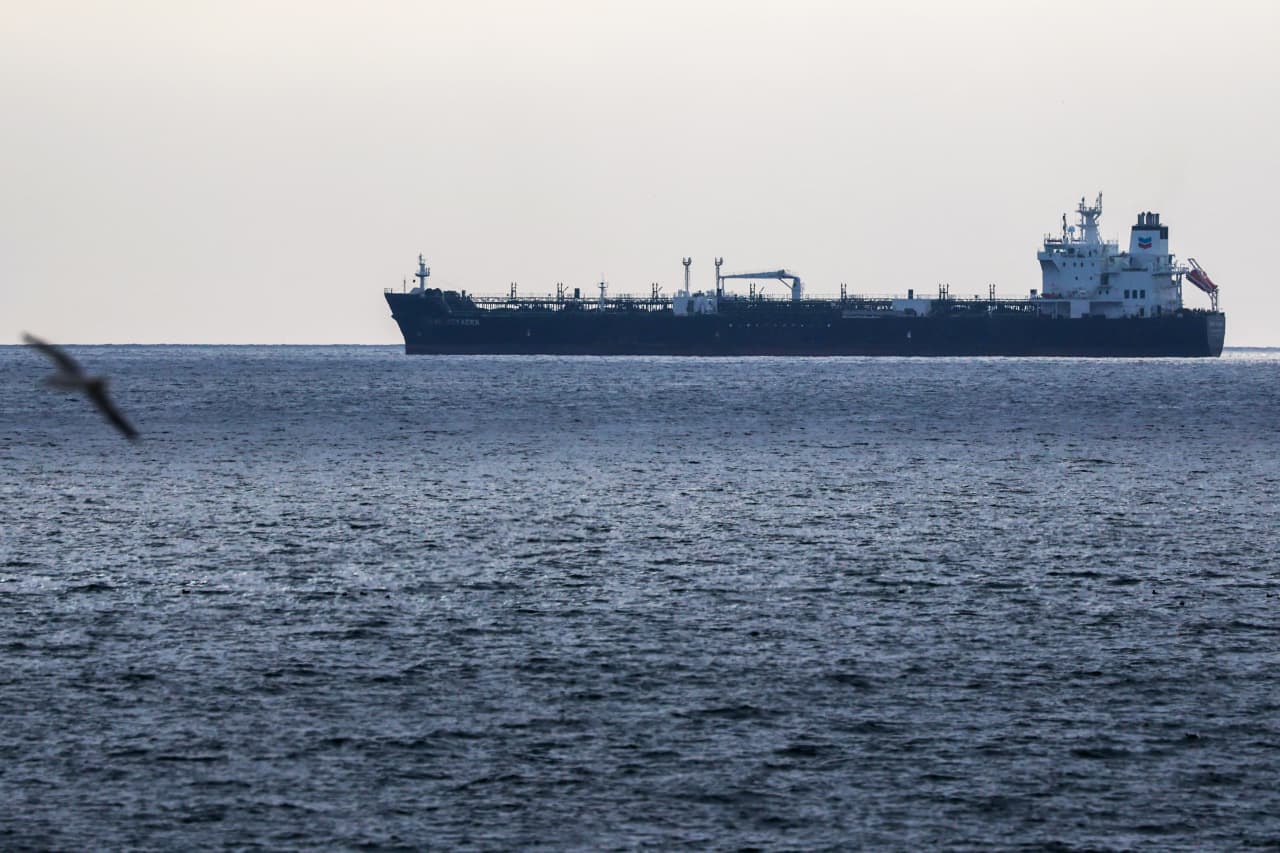
Significantly, Trump indicated a willingness to proceed with this conflict resolution even if the Strait of Hormuz remains closed. Historically, this strait facilitates approximately one-fifth of global oil supplies. Therefore, its continued closure has substantially elevated global oil prices and disrupted international energy markets. Financial sectors, including the S&P 500 and Nasdaq Composite, registered immediate positive gains following these reports, indicating investor confidence in a structured de-escalation.
The Socio-Economic Impact: Stabilizing Global Energy & Trade
For the average Pakistani citizen, this potential Iran War End holds substantial implications. A de-escalation in the Middle East could lead to a stabilization or even reduction in global oil prices. Consequently, this directly impacts fuel costs, transportation expenses, and the overall cost of living within Pakistan. Furthermore, a stable regional environment can foster increased international trade flows and foreign investment, creating more economic opportunities for professionals and households alike.
Conversely, sustained closure of the Strait of Hormuz, regardless of US withdrawal, would perpetuate upward pressure on energy costs. This could strain household budgets and industrial operations across urban and rural Pakistan, necessitating robust national economic planning. The equilibrium between regional security and energy economics remains a critical determinant for daily life.
The “Forward Path”: A Strategic Stabilization Move
This development represents a Stabilization Move rather than a sudden momentum shift. The precision in linking withdrawal to nuclear non-proliferation, alongside the potential disregard for the Strait’s immediate reopening, indicates a strategic recalibration. It aims to de-risk a protracted conflict while asserting sovereign operational independence. While short-term market reactions are positive, the long-term efficacy hinges on robust diplomatic follow-through and sustained regional security architectures.
Iran’s Stance and Regional Dynamics
The Translation: Conditional Engagement and Assertive Warnings
Iranian President Masoud Pezeshkian has communicated his nation’s “necessary will” to conclude the conflict with the United States and Israel. However, this willingness is expressly conditioned upon meeting specific, though currently undisclosed, terms. This indicates a baseline for negotiation remains, albeit a stringent one. Concurrently, senior Iranian officials continue to issue forceful warnings regarding the Strait of Hormuz, reinforcing their strategic leverage.
Notably, Ebrahim Azizi, head of the Iranian Parliament’s National Security Committee, explicitly stated on X that the Strait of Hormuz would reopen “but not for you,” directly referencing Trump. This highly assertive diplomatic posture underscores the complex negotiations and the deep-seated mistrust that characterize the current geopolitical landscape. Iran’s actions to impede shipping through this vital lane have demonstrably contributed to escalating global energy prices and heightened international market pressures.


The Socio-Economic Impact: Navigating Uncertainty in Trade Routes
The persistent uncertainty surrounding the Strait of Hormuz directly affects Pakistan’s import and export logistics. Businesses relying on maritime trade through this corridor face increased shipping costs and potential delays. Consequently, consumers may experience higher prices for imported goods, while exporters could encounter competitiveness challenges. Students and professionals involved in logistics, international trade, or energy sectors must continually adapt to these fluctuating market conditions. The stability of these critical trade arteries is paramount for maintaining Pakistan’s economic growth trajectory.
The “Forward Path”: A Persistent Challenge to Global Trade Efficiency
Iran’s conditional willingness to negotiate, coupled with its firm stance on the Strait of Hormuz, signifies a persistent challenge to global trade efficiency. This is a Stabilization Move for Iran, designed to maintain leverage and assert regional influence. For the international community, it mandates a continuous assessment of maritime security and the development of resilient supply chain strategies. A structural solution to the Hormuz issue is essential for predictable global economic flows.
Escalations and Global Responses
The Translation: Intensified Regional Hostilities and Broader Economic Ripple Effects
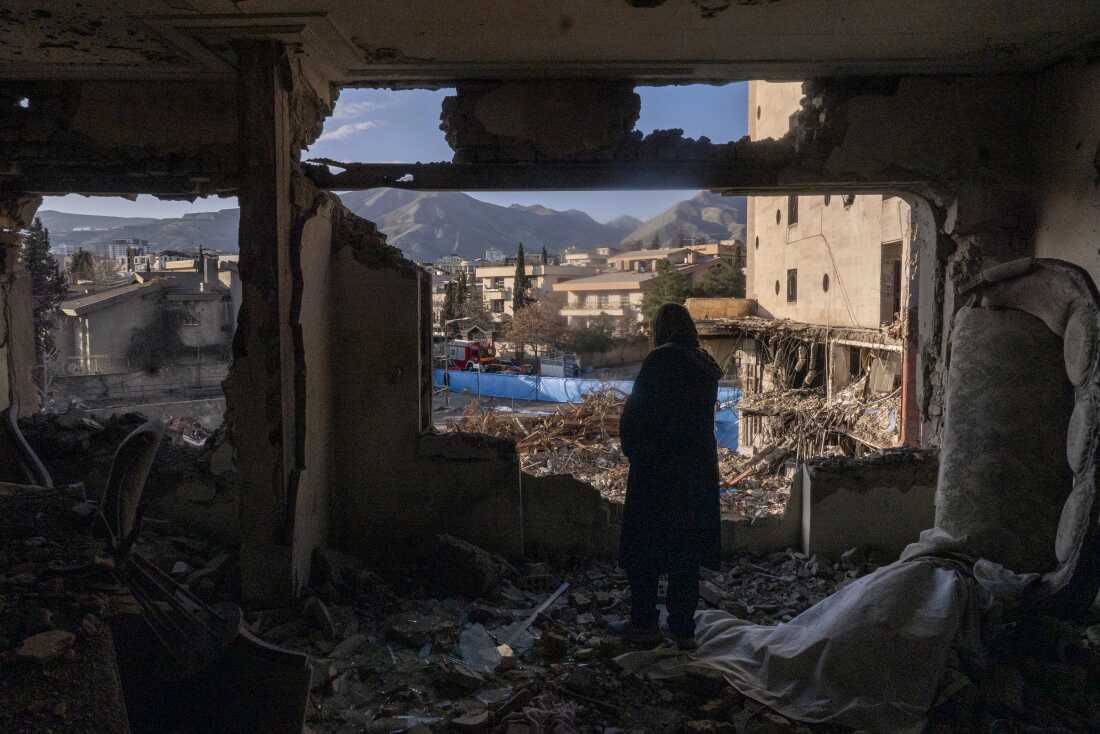
The geopolitical landscape continues to exhibit volatility, with recent reports indicating a sustained exchange of strikes between Israel and Iran. This regional intensification includes injuries reported near Tel Aviv and attacks targeting maritime assets, such as two projectiles hitting a tanker off the coast of Qatar. Furthermore, an individual was fatally wounded in the United Arab Emirates, underscoring the broad geographical impact of these tensions.
In response to the cascading economic pressures, the United Kingdom’s Prime Minister Keir Starmer plans a press conference. This address will detail the government’s calibrated approach to rising energy and living costs directly attributable to the conflict. Analysts project that the prolonged closure of the Strait of Hormuz will trigger substantial global economic repercussions, particularly within energy markets and international trade networks.
The Socio-Economic Impact: Shielding Households from Inflationary Pressures
For Pakistani households, these regional escalations and the resulting global economic pressures translate into direct inflationary impacts. Higher energy costs directly inflate electricity bills, transportation expenses, and the price of essential goods. The government must implement strategic interventions to shield vulnerable populations and maintain price stability. This scenario demands proactive fiscal planning to mitigate the adverse effects on students’ educational costs and families’ daily expenditures, ensuring economic resilience.
The “Forward Path”: Demanding a Systemic Response to Volatility
The continued regional strikes and the UK’s responsive measures highlight the systemic nature of these geopolitical events. This is largely a Stabilization Move by affected nations, seeking to cushion the economic fallout. Critically, it demands a coordinated international framework to address energy security and de-escalate regional conflicts. Without a structural resolution, global economic systems will remain vulnerable to these precise and often rapid shifts in geopolitical stability.