
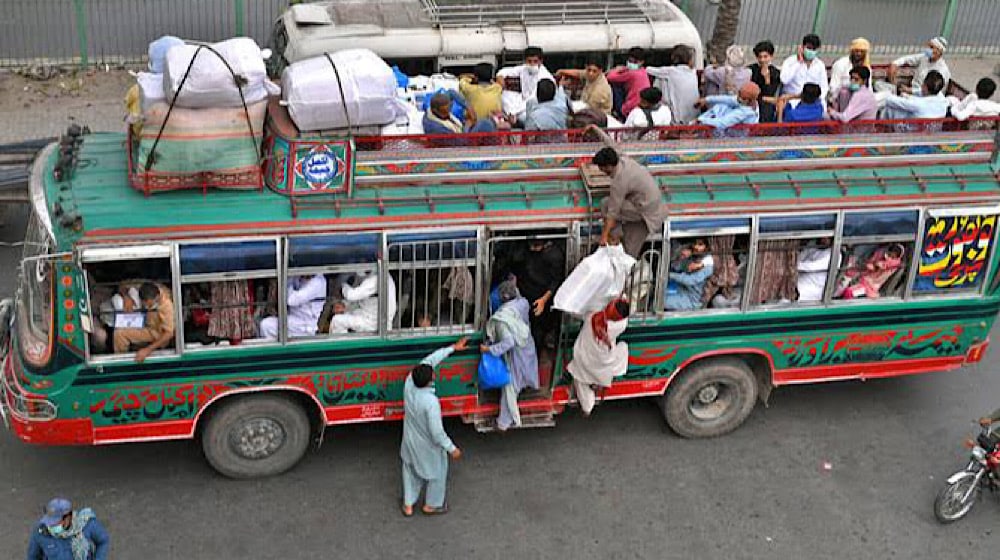
Strategic Adjustment: Pakistan Transport Fares Increment
The operational baseline for Pakistan’s logistics sector has shifted. Consequently, a 3% increment in Pakistan transport fares is now in effect, a direct consequence of the recent surge in petroleum product prices. The Pakistan Goods Transport Alliance formally announced this critical adjustment, reflecting the calibrated response required to maintain sector viability amidst fluctuating fuel costs. This decision directly impacts the financial dynamics for commuters and supply chains nationwide.
The Translation: Unpacking the Alliance’s Stance
The Pakistan Goods Transport Alliance, led by President Malik Shahzad Awan, has unequivocally condemned the federal government’s policy decision to elevate petroleum prices. Furthermore, Awan explicitly stated, “We are announcing a three percent increase in fares.” He emphasized that every Pakistani citizen experiences the ripple effect of increased petroleum costs, highlighting a perceived systemic pressure on transporters from both federal and Punjab governments.

Previously, transporters initiated a nationwide strike in response to what they described as inadequate governmental policies. Subsequently, agreements were reached during those discussions; however, these commitments have not been fully implemented. Awan specifically cited unfulfilled pledges from federal ministers for Ports and Shipping and Communications, underscoring a structural deficit in policy execution. Moreover, commitments made under the guidance of the Chief Minister of Punjab, involving Senior Punjab Minister Maryam Aurangzeb and the Transport Minister, also remain outstanding.
The Socio-Economic Impact: Daily Life Repercussions
This increment in Pakistan transport fares directly translates into increased operational costs for businesses and heightened living expenses for households. For students utilizing public transport, their daily commute now carries a higher financial burden. Professionals face similar challenges, impacting disposable income and potentially re-evaluating commuting choices. In rural Pakistan, where transport links are often vital for market access and essential services, the fuel price impact Pakistan experiences will likely be amplified, affecting the cost of goods and agricultural produce. This adjustment directly impacts the economic calculus of every citizen.

The unresolved transport alliance demands create a volatile environment. Should a new nationwide peaceful strike materialize, supply chains would face severe disruptions, leading to potential shortages and further inflationary pressures. This scenario underscores the critical need for a stable and predictable policy framework to safeguard economic continuity.
The Forward Path: A Stabilization Move
This development represents a Stabilization Move. While the fare increase is a direct response to rising fuel costs, it primarily aims to maintain the operational integrity of the transport sector rather than initiating a significant momentum shift towards systemic improvement. The reiterated threat of a nationwide strike highlights a persistent unresolved structural issue regarding governmental commitments. For sustained national advancement, a more robust and responsive framework for stakeholder engagement and policy implementation is essential, preventing recurrent disruptions stemming from fuel price impact Pakistan faces.

The Pakistan Goods Transport Alliance has issued a clear warning: failure to honor previous agreements will trigger another nationwide peaceful strike. Consequently, the federal, Punjab, and Sindh governments have been explicitly held responsible for any ensuing economic losses. This ultimatum underscores the imperative for precision in policy execution and transparent engagement to avert further disruption and mitigate the adverse effects of government policy impact on vital services.








