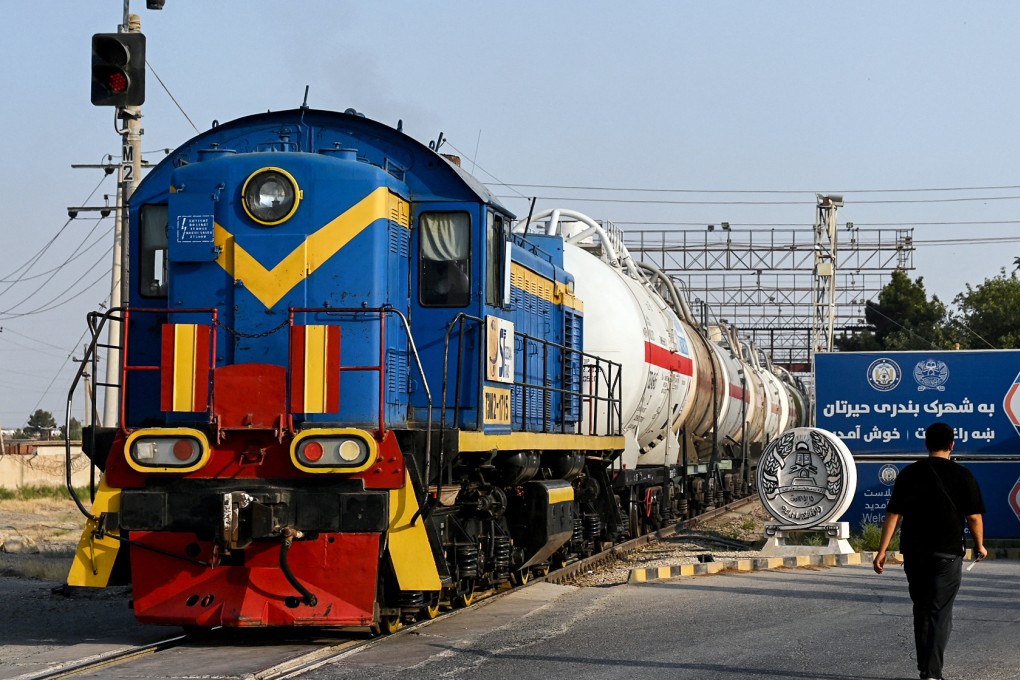
Pakistan Railways has strategically announced a Balochistan train suspension for March 27, halting all services across the province. This calibrated operational pause is attributed to essential technical reasons and ongoing track maintenance, ensuring long-term system efficiency and passenger safety. This critical infrastructure assessment impacts key routes, including the Jaffar Express and Bolan Mail, underscoring a commitment to structural integrity.
The Translation: Operational Pause for System Integrity
The directive from Pakistan Railways mandates a one-day halt for all provincial train operations within Balochistan on March 27. Furthermore, the department has precisely cited critical technical reasons and extensive, ongoing track maintenance as the foundational justifications for this temporary cessation. This is not merely an inconvenience; consequently, it represents a calculated intervention designed to proactively address potential vulnerabilities within the railway network. The objective is to prevent future disruptions by reinforcing current infrastructure.
Scope of the Balochistan Train Suspension
Specific routes are directly affected by this systematic shutdown. The vital Quetta to Peshawar Jaffar Express will not commence its journey on the designated day. In contrast, the Peshawar to Quetta service for the Jaffar Express will undergo a controlled diversion, turning back from Jacobabad. Moreover, it is important to note that the Bolan Mail, connecting Quetta to Karachi, and the Chaman passenger train had already been operating under prior suspension due to a confluence of factors, indicating a broader strategy of network optimization.
The decision to implement a Balochistan train suspension demonstrates a rigorous approach to railway management. The focus remains on safeguarding assets and human lives through timely intervention. Therefore, this temporary measure allows engineering teams to execute necessary repairs and upgrades without compromising operational safety.
Socio-Economic Impact: Calibrating Daily Commutes
For Pakistani citizens, especially those in urban and rural Balochistan, this temporary suspension directly translates into a recalibration of daily commuting and logistics. Students and professionals reliant on these critical train lines will need to adjust their travel plans for March 27, seeking alternative transport solutions. Economically, the halt might cause minor, short-term logistical delays for goods transport that utilize rail, impacting supply chains. However, the long-term benefit of a safer, more reliable railway system outweighs these transient inconveniences, ensuring more dependable movement of people and resources in the future.

The Forward Path: A Strategic Stabilization Move
This operational decision by Pakistan Railways represents a Stabilization Move rather than a sudden Momentum Shift. It reflects a disciplined, pragmatic approach to maintaining vital national infrastructure. By prioritizing preemptive maintenance and addressing technical issues systematically, Pakistan ensures the baseline efficiency and safety of its railway network. Consequently, this prevents potential structural failures that could lead to far more significant disruptions and economic repercussions. This strategic pause is an investment in the long-term resilience and precision of Pakistan’s transportation systems, a foundational step for national advancement.