

To ensure calibrated urban mobility during the heightened Eid shopping period, Karachi Traffic Police has initiated a strategic Karachi Eid Traffic Plan. This comprehensive framework deploys additional personnel and implements precise restrictions on rickshaws, taxis, and commercial vehicles across major thoroughfares and critical market zones. Consequently, citizens will observe a structured approach to managing vehicular flow, designed to optimize access and minimize congestion for the benefit of all commuters.
The Translation: Deconstructing Urban Logistics
The Deputy Inspector General (DIG) Traffic, Syed Pir Muhammad Shah, has confirmed the immediate deployment of section officers and traffic staff across various districts. This signifies a proactive stance, establishing daily operational shifts from 7 PM until late night, strategically aligning with peak shopping hours near commercial hubs. This structural deployment aims to mitigate the natural increase in traffic volume, fostering a more predictable urban environment.
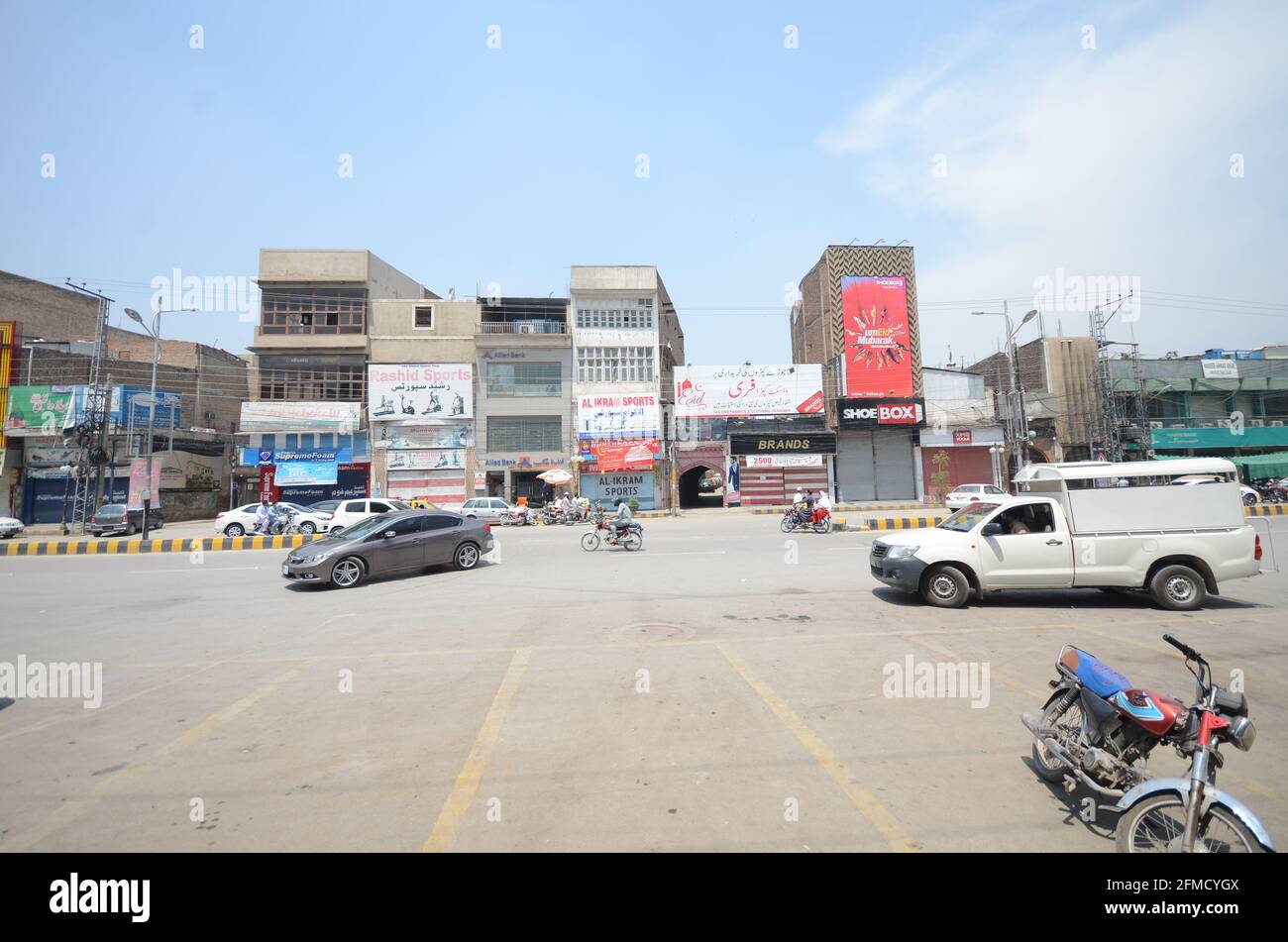
Specifically, the directives delineate restricted zones and mandated alternate routes for specific vehicle categories. For instance, rickshaws and taxis face access limitations from Allah Wali Chowrangi to Ittehad Signal and from Fawara Chowk to GPO. Commercial vehicles, conversely, are directed to utilize alternative pathways such as Noorani Signal and Shahrah-e-Millat Road. These calibrated diversions are essential for maintaining critical logistical arteries while channeling high-volume traffic efficiently.
Socio-Economic Impact: Streamlining Daily Life with the Karachi Eid Traffic Plan
This meticulously designed Karachi Eid Traffic Plan fundamentally alters the daily commute for citizens during the Eid shopping rush. For students and professionals, predictable travel times become achievable, reducing commute stress. Households engaged in Eid preparations will experience smoother access to markets, enhancing their overall shopping experience. Furthermore, the systematic management of public transport routes directly impacts affordability and accessibility for urban and rural Pakistanis alike, particularly benefiting those reliant on rickshaws and taxis for their daily movements.
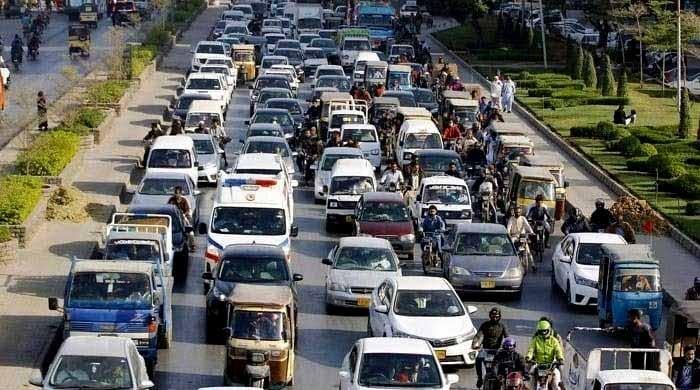
The strategic deployment of personnel and clear delineation of routes contribute to a safer environment, minimizing collision risks in densely populated areas. Consequently, this initiative supports economic activity by ensuring seamless supply chain movements for businesses and facilitating consumer engagement during a critical commercial period. This demonstrates a clear intent to optimize citizen welfare through improved urban infrastructure management.
The Forward Path: A Stabilization Move for Urban Infrastructure
This initiative represents a crucial “Stabilization Move” rather than a disruptive “Momentum Shift.” The directives aim to maintain functional urban infrastructure during predictable periods of strain. It underscores a baseline commitment to effective traffic management and public order. While not introducing novel technological frameworks, the plan’s precision in deployment and route designation is commendable. Future iterations could integrate real-time data analytics for adaptive traffic light sequencing and dynamic route adjustments, transitioning from stabilization to genuine momentum in urban planning efficiency.
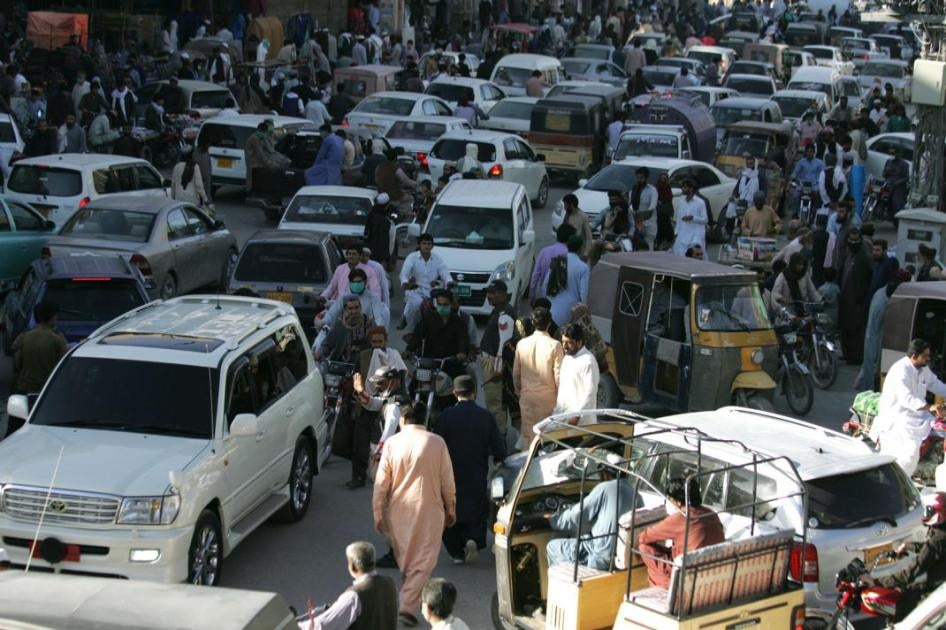
The emphasis on citizen cooperation, articulated by DIG Traffic Syed Pir Muhammad Shah, is a critical component of this strategy. Public adherence to these guidelines is paramount for the plan’s success, reflecting a symbiotic relationship between regulatory enforcement and community responsibility. The eradication of illegal rickshaw and taxi stands near supermarkets further optimizes urban space, enhancing pedestrian safety and vehicular flow.
Key Directives: Navigating the Karachi Eid Traffic Plan
- Allah Wali Chowrangi to Ittehad Signal: Rickshaws and taxis are restricted. Commercial vehicles must use alternate routes via Noorani Signal, Medi Care, and Shahrah-e-Millat Road.
- Fawara Chowk to GPO & Singer Chowk to Zaibunnisa Street: Rickshaws and taxis are restricted. Alternate routes from Fawara Chowk include M.R. Kiyani Chowk, Sarwar Shaheed Road, and Coast Guard Chowrangi to Regal Chowk or Tibet Centre.
- Tibet Chowk to Eidgah Chowk (up to Jama Cloth Market): Rickshaws, taxis, and commercial vehicles will use alternate routes via Urdu Bazaar to Court Road Chowk or Fresco Chowk.
- Main Rashid Minhas Road: Rickshaws and taxis are not permitted. Drivers from Sohrab Goth (near Sajan Kanta) will use Sarfaraz Ghouri Road.
- Drigh Road to NIPA (via Millennium Bridge): Rickshaws and taxis are not allowed under the bridge.
- Hyderi Market Congestion (North Karachi): Commercial traffic will be diverted from Five Star Chowrangi towards Shahrah-e-Noor Jahan and Landi Kotal Chowrangi. Vehicles from Board Office will use KDA Chowrangi, Ziauddin Chowrangi, and Shahrah-e-Noor Jahan to reach North Karachi.
- M.A. Jinnah Road: Motorists will use the route through Singer Chowk, Preedy Street, and Saddar Dawakhana.
- KPT Underpass to Clifton Bridge: Traffic will move via Bath Island. Congestion may necessitate alternate routes through Teen Talwar, Racecourse, or Chaudhry Khaliq-uz-Zaman Road.








