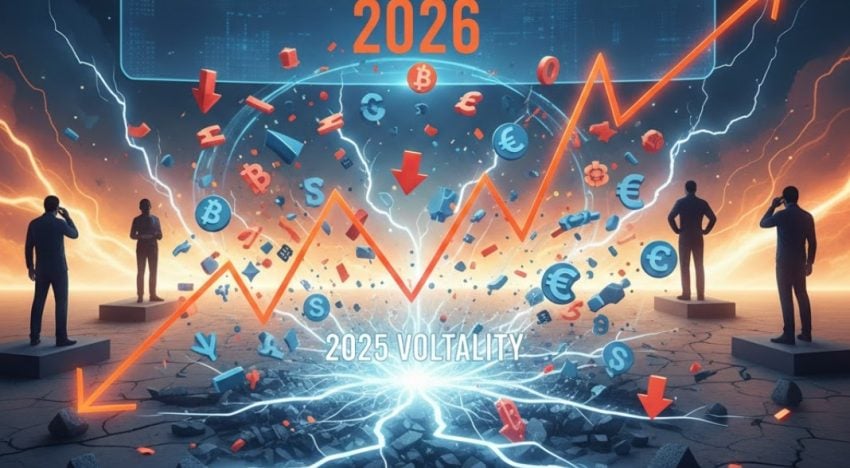
The year 2025 delivered an extraordinary period for global investors. Escalating tariffs, active conflicts, and heightened geopolitical tensions constantly shifted the financial landscape. Furthermore, the emergence of shadow fleets and a significant reorientation of global alliances further complicated an already intricate market. These interconnected factors fueled a profound New Volatility Cycle. Consequently, this cycle has redefined the expectations of traders and investors as they move into 2026.
This article explores the multifaceted events driving 2025’s extreme volatility. We also examine how the coming year will likely unfold. Crucially, we investigate the complete paradigm shift in what traders now expect from the market and their trading environments.
Key Drivers of the 2025 Volatility Cycle
Tariffs and Trade Wars: A Major Catalyst for the New Volatility Cycle
Aggressive tariffs emerged as a primary driver of the 2025 New Volatility Cycle. These measures were implemented at an accelerated pace and with greater magnitude, mirroring the U.S.’s 2016 tariff cycle. Affected nations swiftly responded with reciprocal actions. This intensified trade friction generated significant market uncertainty, frequently startling nervous investors. Destabilizing rhetoric from all sides exacerbated jitters, ensuring trade policy remained a dominant theme throughout the year.
The AI Phenomenon: Hype, Hope, and Reality
Conversely, 2025 witnessed an unprecedented surge in excitement and investment surrounding Artificial Intelligence. Companies like Nvidia promised the imminent arrival of Artificial General Intelligence (AGI). Billions poured into AI startups and established tech giants, driving valuations to dizzying heights. However, initial euphoria waned as the year concluded. Market participants questioned AI’s tangible monetization strategies, and apprehension grew. Some cautious observers even labeled the AI boom a speculative bubble, prompting concerns about its long-term impact on market stability.
Geopolitical Conflicts and Limited Economic Reach
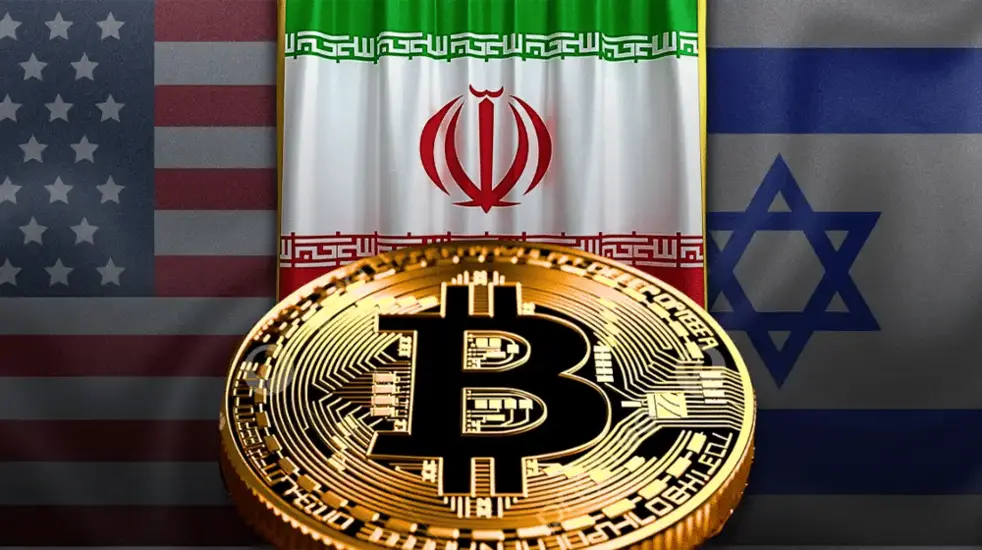
Two major active conflicts dominated headlines. One conflict spilled into surrounding regions, causing strong initial reactions in oil and equity markets. Fortunately, markets demonstrated resilience. They quickly assessed broader economic implications, realizing the conflicts’ direct economic effects would be localized. Even U.S. involvement in one conflict, a potent volatility trigger, saw markets stabilize relatively quickly. This occurred once it became apparent that the event was isolated, primarily contained between the U.S. and Iran. This demonstrated a newfound maturity in market response to regional instability.
Monetary Policy Shifts and Global Inflation Trends
In contrast to accelerating geopolitical instability, global inflation showed signs of slowing from early 2025. This followed a prolonged period of increasing rates since 2022. Consequently, central banks worldwide began lowering interest rates. The U.S. Federal Reserve initiated a 0.25% cut in December 2024. Both the European Central Bank (ECB) and the Bank of Canada swiftly followed suit in January 2025, each implementing substantial 25 basis point reductions. This coordinated move signaled a global trend towards monetary easing, aiming to stimulate economic growth.
An interesting outlier in this trend was the Bank of Japan (BoJ). It unexpectedly hiked its rate to its highest level since 1995. This decision puzzled many analysts, given Japan’s persistent economic pressures. Exness’ Quoc Dat Tong highlighted the complex environment: “It seems as though central banks across the world are trying to gauge the current economic conditions, market sentiment, and potential volatility that their decisions may cause. At this point, though, they seem determined to hike rates again, so traders should keep in mind the correlation among equities, currencies, commodities, and interest rates. Don’t ignore the internal correlations between asset classes as well.”
Despite the prevailing sentiment of monetary easing, the specter of inflation persists. Renewed rate hikes remain a potential outcome. A significant driving force behind this potential pivot is pressure from the U.S. administration on the Federal Reserve to further slash rates. Efforts to undermine Federal Reserve Chair Jerome Powell’s independence only increase this likelihood. Compromising the Fed’s autonomy would severely limit its ability to address inflation effectively. This could lead to macroeconomic, financial, and monetary instability in one of the world’s largest economies. Such political interference will likely persist as a volatility trigger into 2026.
Sector-Specific Shocks: Cryptocurrencies and Commodities in 2025
Cryptocurrency Volatility in the New Volatility Cycle
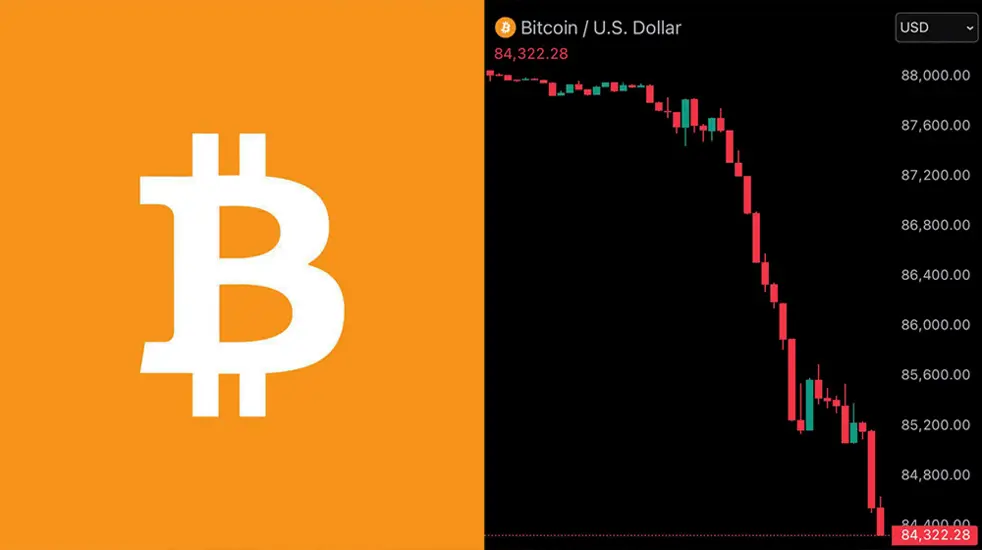
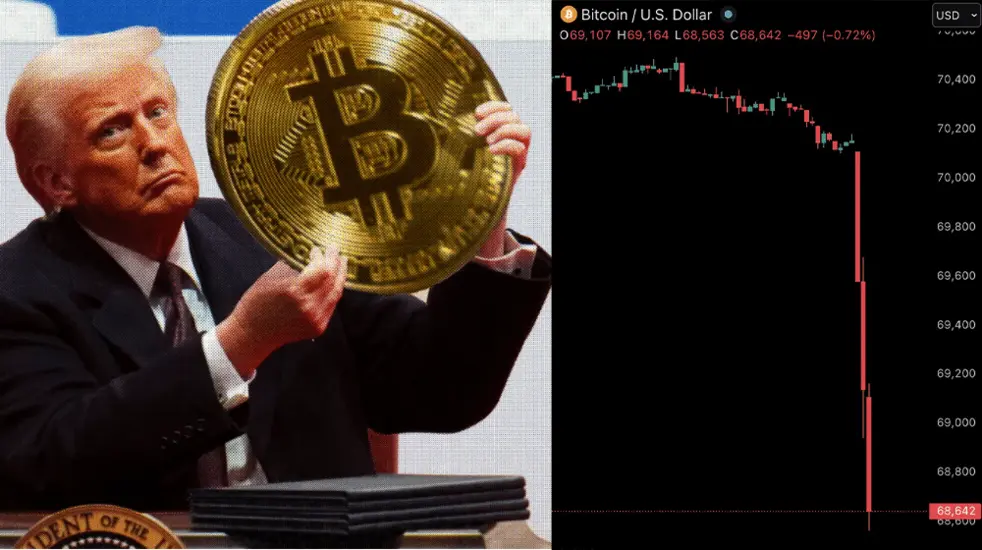
The cryptocurrency market, often a bellwether for broader sentiment, experienced significant shifts in 2025. Bitcoin saw nearly $3 billion worth of dormant BTC re-enter circulation. This indicated long-term holders (“hodlers”) were liquidating positions. For much of the year, robust demand from newly emerging Exchange-Traded Funds (ETFs) offset this substantial sell-off. However, ETF demand cooled as the year progressed, leading to negative flows. Furthermore, activity in BTC derivatives slowed significantly. Despite this heightened internal volatility, digital currencies largely preserved their low correlation to other asset classes. This reinforced their perceived role as potential safe havens during broader market turmoil.
The Oil and Gas Market: A Battle for Price
The notoriously volatile oil market upheld its reputation in 2025. A compelling battle emerged between OPEC+ producers and non-OPEC nations over crude prices. The United States, as the de facto leader of non-OPEC producers, significantly ramped up production. This led to a substantial supply glut, pushing prices down to the $55-$60 per barrel range. This contrasted sharply with the $70 per barrel at which both WTI and Brent crude began the year. Ultimately, this represented a notable 20% drop, highlighting the impact of supply-side dynamics.

Natural gas also experienced dramatic price swings. However, these were for reasons distinct from crude oil. Starting 2025 at US$3.64, it dipped to US$2.74 by August before peaking at US$5.31 towards year-end, then settling at US$3.94. These fluctuations underscore the complex interplay of demand, supply, and geopolitical factors characterizing energy markets.
Glimpsing into 2026: Forecasts and Persistent Triggers
Many events and underlying conditions fueling volatility at the close of 2025 will likely persist into early 2026. While challenges remain, a degree of optimism exists. Analysts at JPMorgan, for instance, anticipate double-digit gains for global equities in both developed and emerging markets. This suggests a potential rebound despite lingering uncertainties. They also project inflation to persist but maintain a bullish outlook on the euro and a bearish stance on the dollar.

Continued global economic growth also presents a strong probability. The AI sector is expected to carry a significant portion of this momentum, provided the perceived “bubble” does not burst. Global inflation will likely stabilize around the 3% mark. However, ongoing trade wars are expected to push up prices of global goods, a trend likely continuing through at least the first half of 2026.
Regarding oil, demand is projected to increase. Nevertheless, supply, particularly from U.S. production, is also expected to rise significantly. The same JPMorgan forecast suggests oil supply could outpace demand threefold. This could potentially keep crude prices in check despite rising global consumption.
The Evolving Trader Mindset: Redefining Expectations in the New Volatility Cycle
How has this nearly year-long period of intense volatility fundamentally redefined traders’ expectations? Today’s market offers traders an abundance of brokers, trading portals, and platforms. However, traders now seek more than just technology access. They demand very specific conditions that directly address the challenges of high volatility.

During extreme market swings, several factors become paramount for success:
- Exceptional Execution Speed: Precision in opening a position is crucial. Milliseconds can dictate profit or loss.
- Stable and Tight Spreads: Price stability is vital. Erratic and unpredictable spreads make trading exponentially more difficult.
- Instantaneous Trade Placement: The ability to act immediately, whether seizing an opportunity or minimizing risk, is a ‘super ability’ in volatile markets.
- Low Slippage: This helps traders avoid the erosion of potential profits when a trade doesn’t execute at the intended price.
These are no longer mere preferences; instead, they represent essential requirements for success in the New Volatility Cycle. This stringent list of demands, while entirely reasonable, is one that surprisingly few brokers can consistently deliver. This highlights a critical gap in the market for sophisticated traders.
Conclusion: Adapting to the New Volatility Cycle
The 2025 New Volatility Cycle has left an indelible mark on financial markets. It fundamentally reshaped dynamics across various asset classes. From re-escalated trade tariffs and the speculative AI journey to shifting monetary policies and commodity price battles, each event contributed to a challenging environment. Traditional trading strategies were certainly tested. As we transition into 2026, lessons from these market shocks will continue influencing global economic trends and investment decisions. Crucially, trader demands have evolved, emphasizing precision, stability, and immediate execution amidst persistent uncertainty. Meeting these refined expectations will be key for financial institutions and platforms supporting successful trading in what promises to be another dynamic year.