

Optimizing Pakistan’s Green Transition: Strategic Solar Waste Management is Critical
Pakistan’s rapid embrace of rooftop solar technology represents a significant stride towards energy independence. The nation currently boasts approximately 7,000 MW of net metering-based solar systems connected to its grid, supplemented by an estimated 13,000 to 14,000 MW from off-grid users. In 2025 alone, the country imported about 50 gigawatts of solar panels, a doubling of the previous year’s volume. This unprecedented acceleration, driven by the imperative of high electricity costs and frequent outages, undeniably positions solar as a critical component of our energy matrix. However, this deployment necessitates a calibrated approach to solar waste management, ensuring long-term sustainability and mitigating unforeseen environmental liabilities.
The Translation: Unpacking the Lifecycle of Photovoltaic Systems
The operational lifespan of a typical solar panel ranges between 25 to 30 years. Consequently, as millions of these units approach their end-of-life phase, Pakistan faces a projected surge in photovoltaic waste. The International Renewable Energy Agency forecasts global photovoltaic waste reaching 78 million tonnes by 2050. This figure could escalate further if consumers opt for earlier replacements driven by advancements in efficiency. Given Pakistan’s substantial panel imports—equivalent to the national grid’s entire capacity within four years—the scale of this impending waste crisis demands immediate, structural attention.

Furthermore, the environmental footprint extends beyond disposal. Manufacturing crystalline silicon cells requires extreme temperatures, often exceeding 1,500 degrees Celsius. This process contributes 50 to 70 percent of a solar panel’s total carbon footprint. While lifecycle emissions average 40 to 50 grams of carbon dioxide equivalent per kilowatt-hour—a lower figure than fossil fuels—this still represents a significant environmental investment. A critical observation is that much of Pakistan’s imported solar equipment originates from fossil fuel-fired facilities, thereby embedding a substantial carbon burden into each panel even before it generates its first watt.
The Socio-Economic Impact: Safeguarding Public Health and Economic Equity
The indiscriminate disposal of solar panels poses direct risks to public health and environmental integrity. These devices contain toxic heavy metals, including lead, cadmium, selenium, and arsenic. The United States Environmental Protection Agency confirms that many panels fail toxicity characteristic leaching procedures, qualifying them as hazardous waste. When panels degrade in landfills or are improperly processed, these metals leach into soil and groundwater. This contamination persists for decades, posing long-term health risks, such as severe lung damage from cadmium exposure and neurological impairments from lead.
Moreover, the burgeoning integration of lithium-ion battery storage with rooftop solar systems introduces an additional layer of complexity. Pakistan imported an estimated 1.25 gigawatt-hours of these battery packs in 2024, with projections reaching 8.75 gigawatt-hours by 2030. These batteries also contain hazardous materials, necessitating specialized recycling infrastructure that is largely absent in Pakistan. For context, the United States’ recycling rate for lithium-ion batteries is approximately 20 percent. Pakistan’s less stringent environmental regulations magnify this disposal challenge considerably.
From an economic equity perspective, the current solar adoption model exhibits a regressive cost-shifting mechanism. Affluent households, possessing the capital for initial investment, have predominantly adopted rooftop solar. The National Electric Power Regulatory Authority (NEPRA) reported that net-metered consumers shifted approximately 159 billion rupees to other consumers in 2024. Unchecked, this disparity could escalate to 4.24 trillion rupees by 2034, burdening those unable to afford solar systems with an ever-increasing share of fixed grid costs. This structural imbalance demands strategic intervention to ensure energy access remains equitable for all citizens.
The Forward Path: Calibrating for Sustainable Energy Independence
Recycling solar panels presents both technical and economic hurdles. While panels contain valuable materials like silver, copper, and silicon, their extraction demands sophisticated and often commercially unviable processes. Pakistan currently lacks the specialized infrastructure for photovoltaic waste management prevalent in regions like Europe. Effective solar waste management is therefore crucial. Without robust regulations and collection systems, millions of panels risk ending up in landfills, releasing toxins and squandering billions in recoverable resources. Therefore, new regulations must strategically address this issue before its scale becomes insurmountable.

The recent NEPRA regulations, transitioning from net metering to net billing, signify a crucial recalibration. This policy accurately values exported electricity at its true system cost, thereby eliminating subsidies from non-solar consumers. Critically, by encouraging right-sizing systems for self-consumption rather than oversized installations designed for export, these regulations possess the inherent capacity to mitigate the accumulation of future waste. This proactive measure aligns with a more disciplined approach to grid integration and resource management.
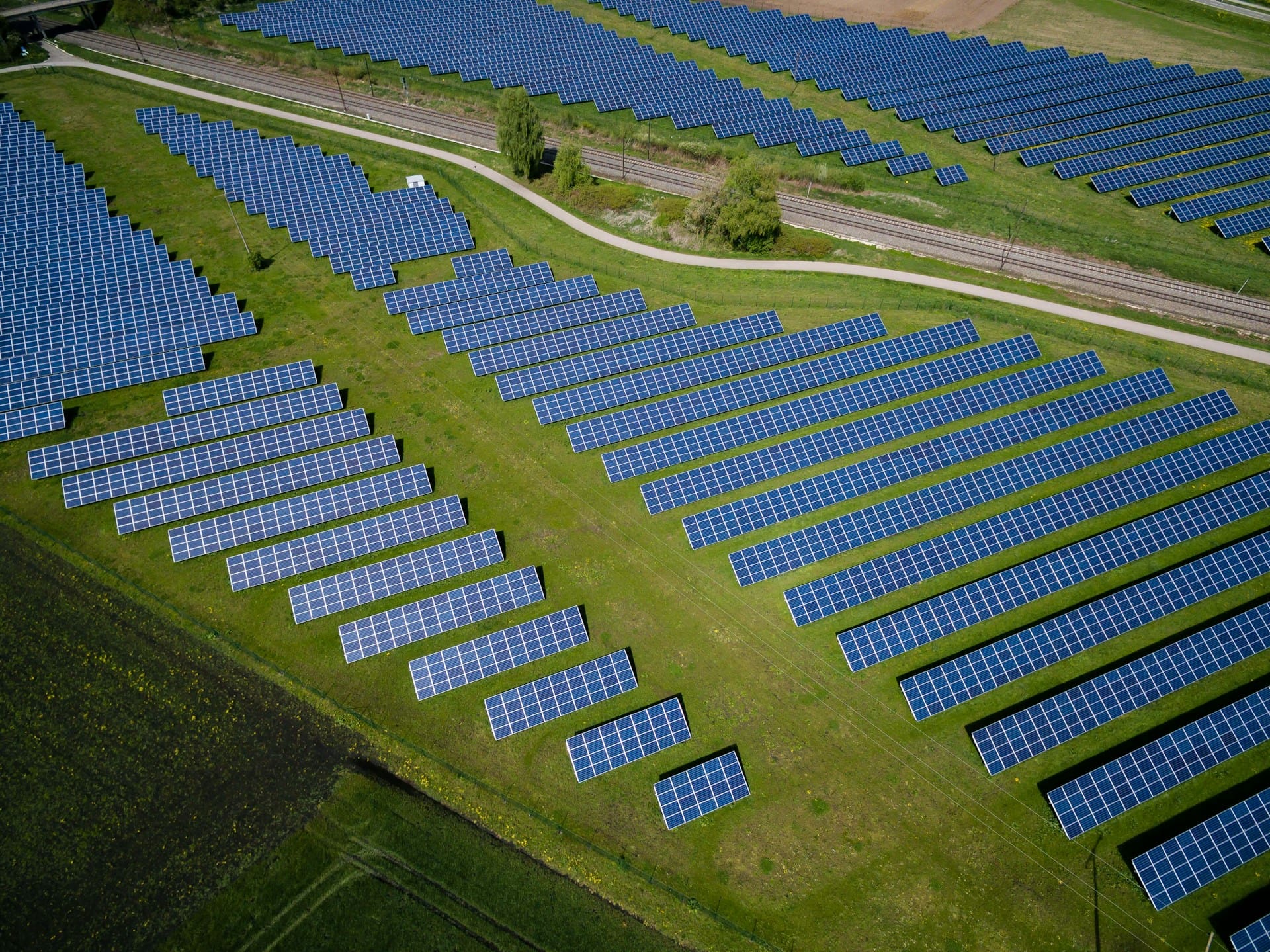
Solar energy remains an indispensable element of Pakistan’s future energy landscape. However, its expansive deployment necessitates rigorous environmental oversight. Before we extensively cover our rooftops with panels, we must formulate comprehensive plans encompassing manufacturing oversight, robust end-of-life management, and equitable cost distribution. The complex, often overlooked aspects of our solar revolution demand equivalent strategic attention as its promising benefits. This represents a Momentum Shift towards a truly sustainable and efficient energy system for Pakistan.








