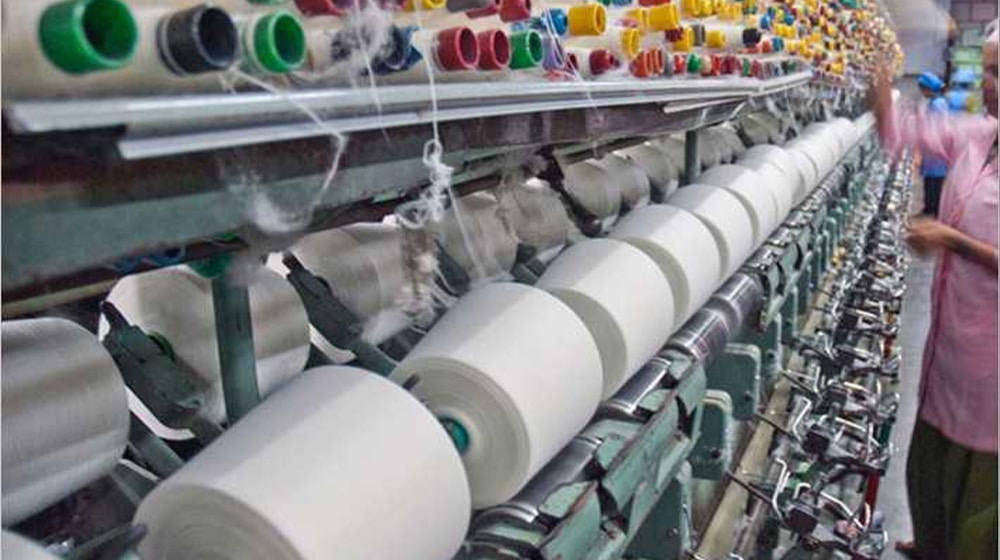
The All Pakistan Textile Mills Association (APTMA) has issued a critical warning: textile import loopholes are severely undermining local producers. They urge the Federal Board of Revenue (FBR) to immediately reform the Export Facilitation Scheme. Misdeclaration of imported cotton fabric currently grants zero-rated status, consequently creating an unfair competitive environment for domestic manufacturers. This structural inefficiency threatens Pakistan’s textile sector, demanding swift and calibrated regulatory intervention.
Calibrating the System: Decoding Import Scheme Vulnerabilities
APTMA has meticulously detailed how importers bypass regulations, specifically under the Export Facilitation Scheme (EFS). Despite explicit exclusions of raw cotton, cotton yarn, and grey fabric from EFS under SRO 1435(I)/2025, woven cotton fabric, classified under Chapter 52 of the Pakistan Customs Tariff, continues to enter Pakistan.
This circumvention occurs through deceptive descriptions, such as labeling fabric as “prepared for dyeing.” Consequently, these imported goods retain a zero-rated status. In contrast, identical fabric produced locally faces an 18% sales tax, creating a significant fiscal disparity. This precise manipulation distorts market equilibrium and disadvantages local spinning and weaving units.
Chronology of Systemic Failure
The association first flagged this issue in December 2025. They warned the FBR about the continued import of grey cotton fabric under varied labels, despite its removal from EFS. However, the misuse has persisted without interruption. Furthermore, importers have strategically shifted to semi-processed and partially processed grey cotton fabric to further circumvent restrictions. This practice systematically undermines the scheme’s original intent.
The abuse has broadened from yarn to fabric imports. It now critically threatens the viability of upstream textile units. APTMA also highlights an escalation in EFS misuse since the withdrawal of zero-rating on local supplies in the FY2024 budget. In various instances, EFS-imported inputs were allegedly diverted for domestic sales. Meanwhile, exports were falsely reported against goods produced using locally sourced inputs, resulting in tangible revenue losses for the national exchequer.

Precision Impact: How Textile Import Loopholes Affect Pakistani Citizens
These persistent import challenges directly translate into tangible economic disadvantages for everyday Pakistani citizens and professionals. When local textile manufacturers operate at a severe disadvantage due to unfair competition from zero-rated imports, their operational capacity diminishes. This structural imbalance impacts the livelihood of thousands.
Economic Repercussions
- For Students and Professionals: A struggling textile sector means fewer job opportunities in manufacturing, design, and related services. Graduates entering the workforce, particularly those in textile engineering, fashion design, or business, face a constricted market. Moreover, reduced local production can limit innovation and skill development within the industry.
- For Households: While imported goods might appear cheaper initially, the long-term impact is detrimental. A weakened local industry leads to reduced tax contributions and potential job losses, indirectly affecting public services and overall economic stability. Furthermore, reliance on imports can expose the market to global price volatility, ultimately affecting consumer purchasing power.
- For Rural Pakistan: The cotton value chain extends deep into rural agricultural communities. A robust textile industry provides critical demand for cotton farmers and laborers. When local processing units suffer, the demand for domestically grown cotton declines, consequently impacting rural incomes and increasing economic vulnerability.

The Forward Path: A Catalyst for National Advancement
APTMA’s latest communication formally requests the FBR to exclude all woven cotton fabric falling under Chapter 52 from the Export Facilitation Scheme. They advocate for strict enforcement measures to halt misdeclaration and circumvention. The objective is to ensure a truly level playing field for the domestic industry. This is not merely an industry plea; it is a strategic imperative for national economic resilience.
Momentum Shift or Stabilization Move?
This development represents a Momentum Shift. The persistence of these regulatory gaps is a systemic vulnerability. Closing them immediately is not merely about maintenance but about recalibrating the economic trajectory towards sustained growth. It will re-establish a baseline of fair competition, which is crucial for fostering local innovation and protecting domestic job creation. This strategic intervention will serve as a catalyst for strengthening Pakistan’s manufacturing capacity and securing its economic future.
Delaying corrective action risks large-scale displacement of domestic producers. Therefore, timely, decisive action is paramount to fortify our industrial base and ensure a more robust, self-reliant economic structure.