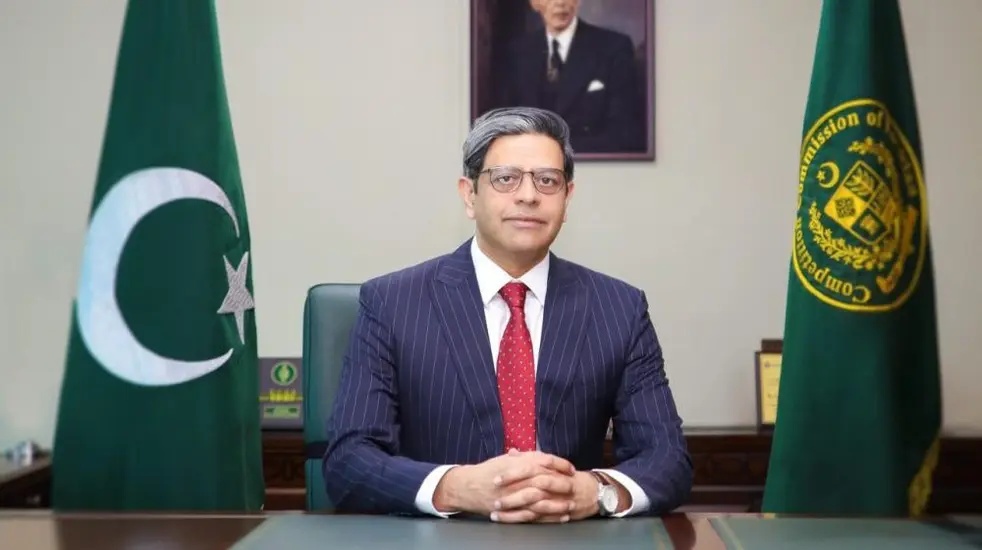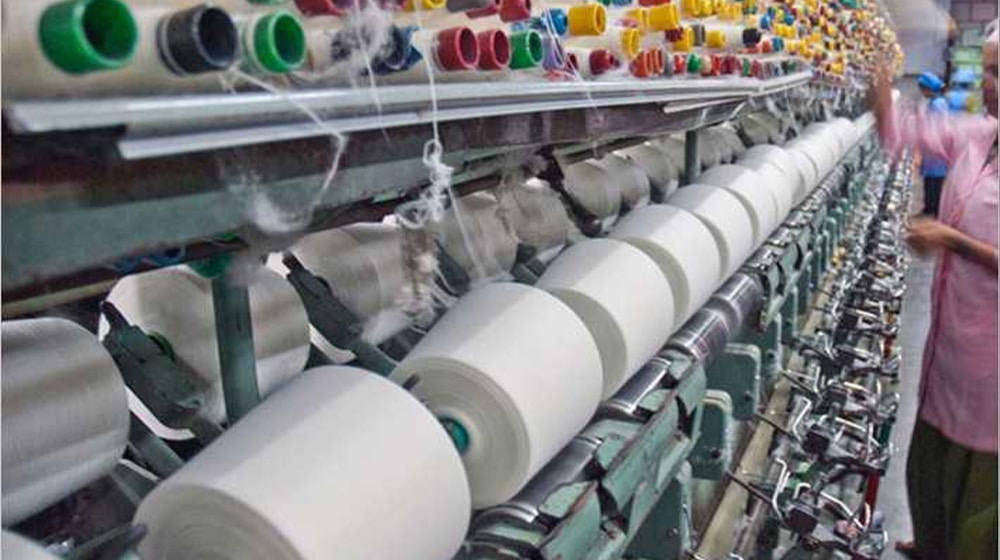
Pakistan’s economic framework receives a calibrated boost as the Pakistan Textile Council decisively endorses the Prime Minister’s recent market-based initiatives. These strategic measures, designed to invigorate Pakistan Textile Exports without imposing fiscal strain, signal a robust government commitment to export-led growth. This structural adjustment, notably through reduced Export Refinance Facility rates, is projected to enhance the nation’s global competitiveness and stabilize the financial sector.
The Translation: Deconstructing Economic Levers for Growth
The Pakistan Textile Council’s acknowledgement of leading exporters underscores confidence in industries persistently navigating challenging economic conditions. Consequently, this reinforces the paramount importance of performance, compliance, and global competitiveness. PTC Chairman Fawad Anwar accurately describes the government’s approach as economically sound and timely, particularly within the context of Pakistan’s ongoing IMF program. Furthermore, the council specifically lauded the reduction in Export Refinance Facility (ERF) rates. This particular achievement stems from prudent macroeconomic coordination rather than direct fiscal spending.
Strategic Liquidity and Cost Reduction
State Bank Governor Jameel Ahmad and his team played a pivotal role in implementing this framework. A 1 percent reduction in the Cash Reserve Requirement (CRR) consequently injected over Rs. 300 billion in liquidity directly into the banking system. This enabled banks to absorb a significant 300 basis points cut in ERF rates while simultaneously maintaining overall financial sector stability. According to the PTC, this critical maneuver has effectively lowered financing costs for exporters. Concurrently, it has preserved confidence across the banking system through close coordination between fiscal and monetary authorities.
The Socio-Economic Impact: Calibrating Daily Life for Progress
These strategic adjustments directly translate into tangible benefits for the average Pakistani citizen. Professionals and businesses in the textile sector will experience lower operational costs, thereby fostering a more stable environment for job creation and retention. For households, reduced production costs can potentially stabilize consumer prices for textile goods. This creates a ripple effect, supporting economic resilience in both urban and rural areas. Ultimately, a stronger export sector bolsters foreign exchange reserves, providing a more robust economic foundation for the nation.

Addressing Structural Distortions and Market Dynamics
Furthermore, the government’s announcement to remove cross subsidies from industrial power tariffs constitutes a long overdue structural correction. These distortions previously burdened export-oriented sectors disproportionately, impeding their competitive edge. Addressing concerns related to the India-EU Free Trade Agreement, Anwar advised against overstating fears regarding its impact on Pakistan Textile Exports. He maintained that policy should prioritize competitiveness over panic, noting the agreement’s future implementation timeline. Pakistan’s value-added textile and apparel exporters remain strategically positioned due to inherent strengths in quality, compliance, sustainability standards, and established buyer relationships.
The Forward Path: A Momentum Shift for Pakistan Textile Exports
This development signifies a definitive Momentum Shift rather than merely a stabilization move. The focus on structural reforms, such as market-based support and the removal of cross-subsidies, indicates a proactive, forward-thinking economic strategy. It systematically addresses foundational issues that have historically hindered growth. This strategic alignment, coupled with targeted liquidity measures, creates a powerful catalyst for sustained expansion and enhanced global standing.

Strategic Imperatives for Sustained Growth
Looking ahead, the PTC advocates for a comprehensive, long-term reform agenda to sustain growth in Pakistan Textile Exports. Key priorities include:
- Continuation of the GSP Plus regime through credible compliance.
- Implementation of regionally competitive taxation policies.
- Strategic investment-linked tax incentives to attract capital.
- Maintenance of a stable and market-aligned real effective exchange rate.
- Ensuring duty-free access to essential export inputs.
- Systematic removal of bureaucratic barriers that impede efficiency.
The council reaffirms its unwavering commitment to collaborating closely with the government. This collective effort aims to translate macroeconomic stability directly into higher exports, robust job creation, and significantly improved foreign exchange earnings, thereby solidifying Pakistan’s economic future.