Advancing our understanding of human social dynamics, recent scientific investigations reveal that precisely calibrated mild electrical brain stimulation can significantly boost generosity in individuals. This structural insight, derived from studies at the University of Zurich, establishes a direct, measurable link between targeted neural activity and altruistic decision-making. Consequently, this breakthrough suggests new baselines for addressing disorders impacting social behavior, potentially redefining our approach to fostering pro-social actions within the Pakistani community and globally.
Precision Neuroscience: Unlocking Altruism Through Brain Stimulation
A pivotal study, detailed by BBC News, demonstrates that specific brain regions, when subjected to mild electrical currents, temporarily increase an individual’s propensity for generosity. This finding meticulously connects neural pathways to the complex process of altruistic choice. Furthermore, the research, conducted by University of Zurich scientists, involved 44 volunteers in a controlled financial distribution experiment. Participants were tasked with dividing money between themselves and an anonymous recipient.
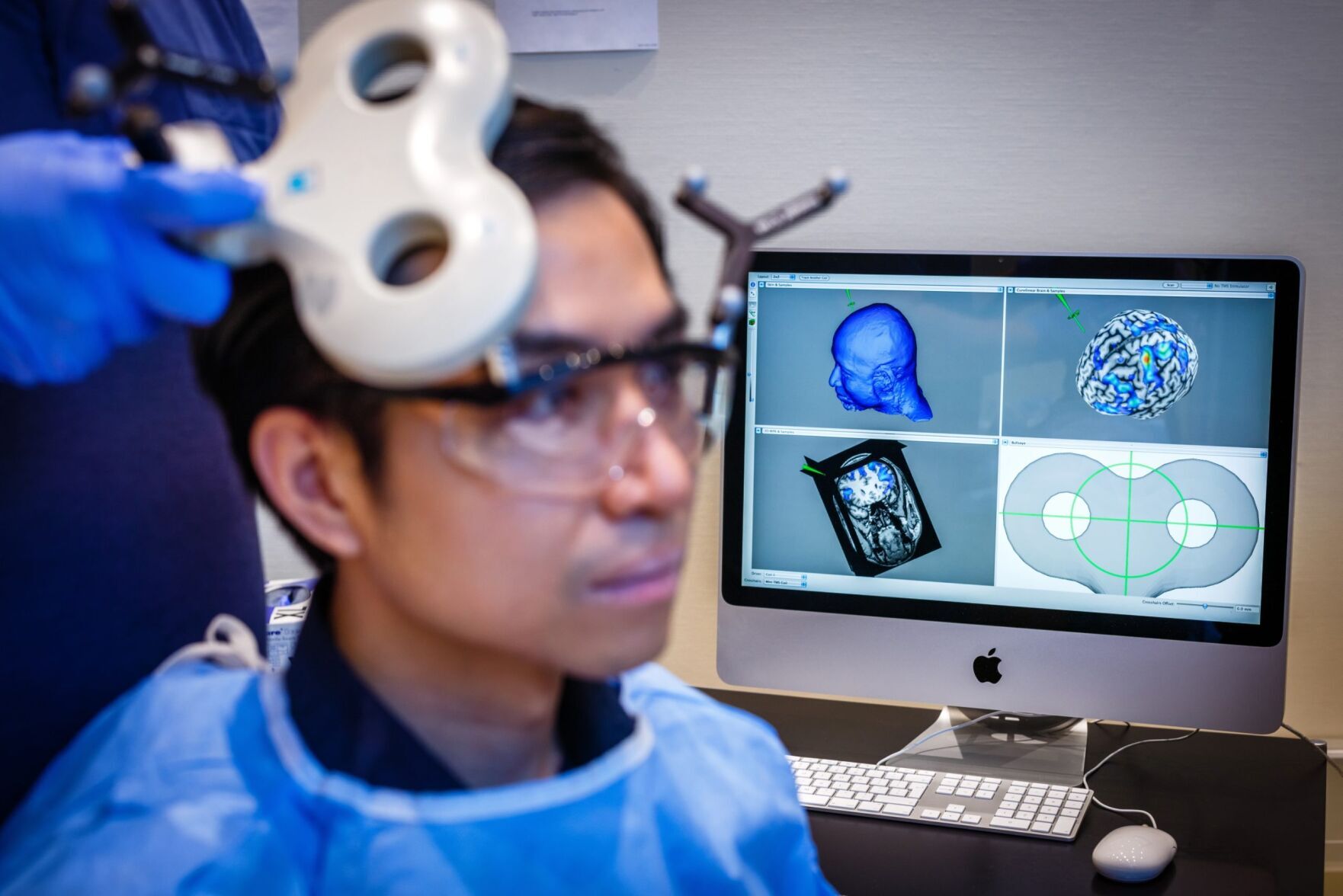
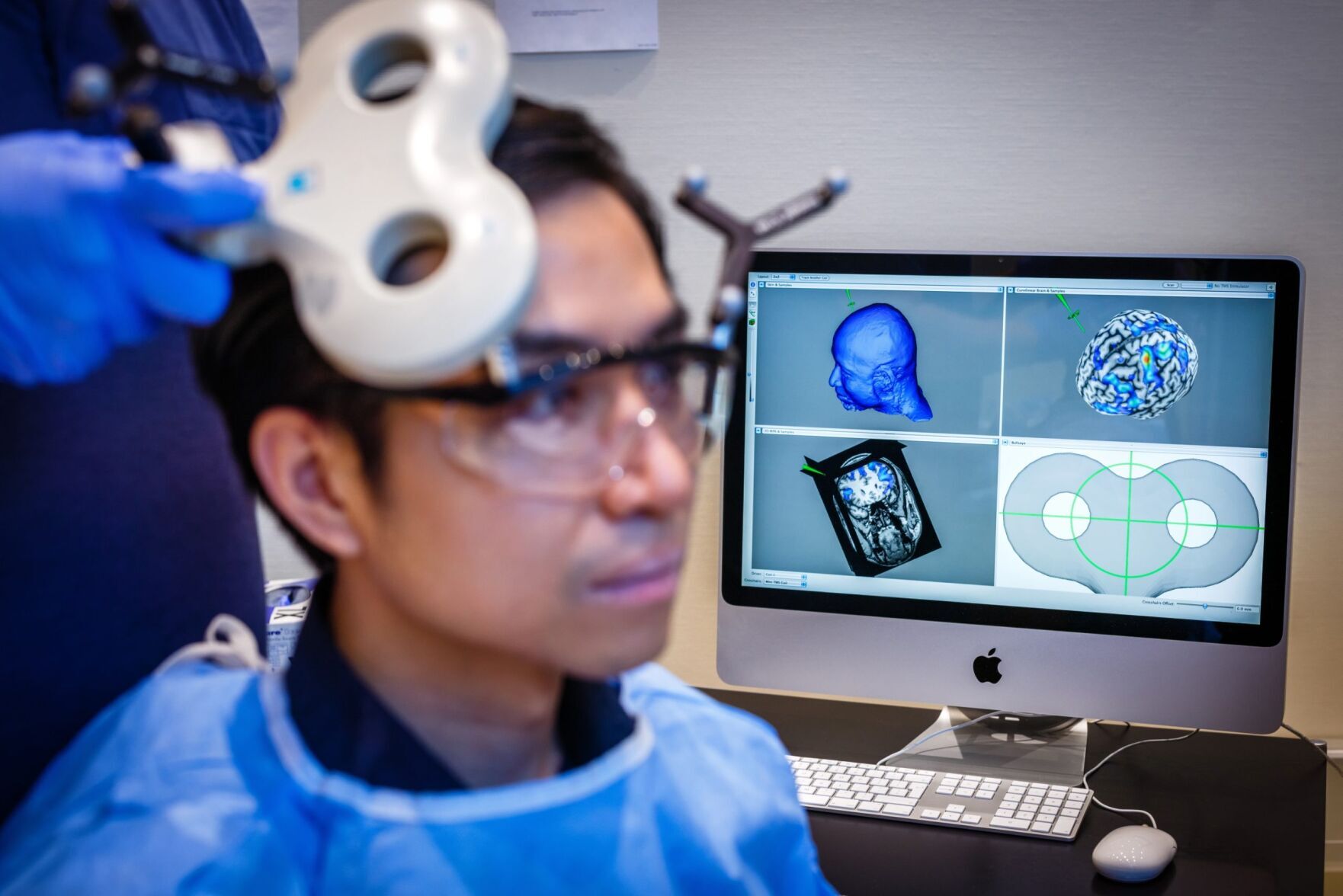
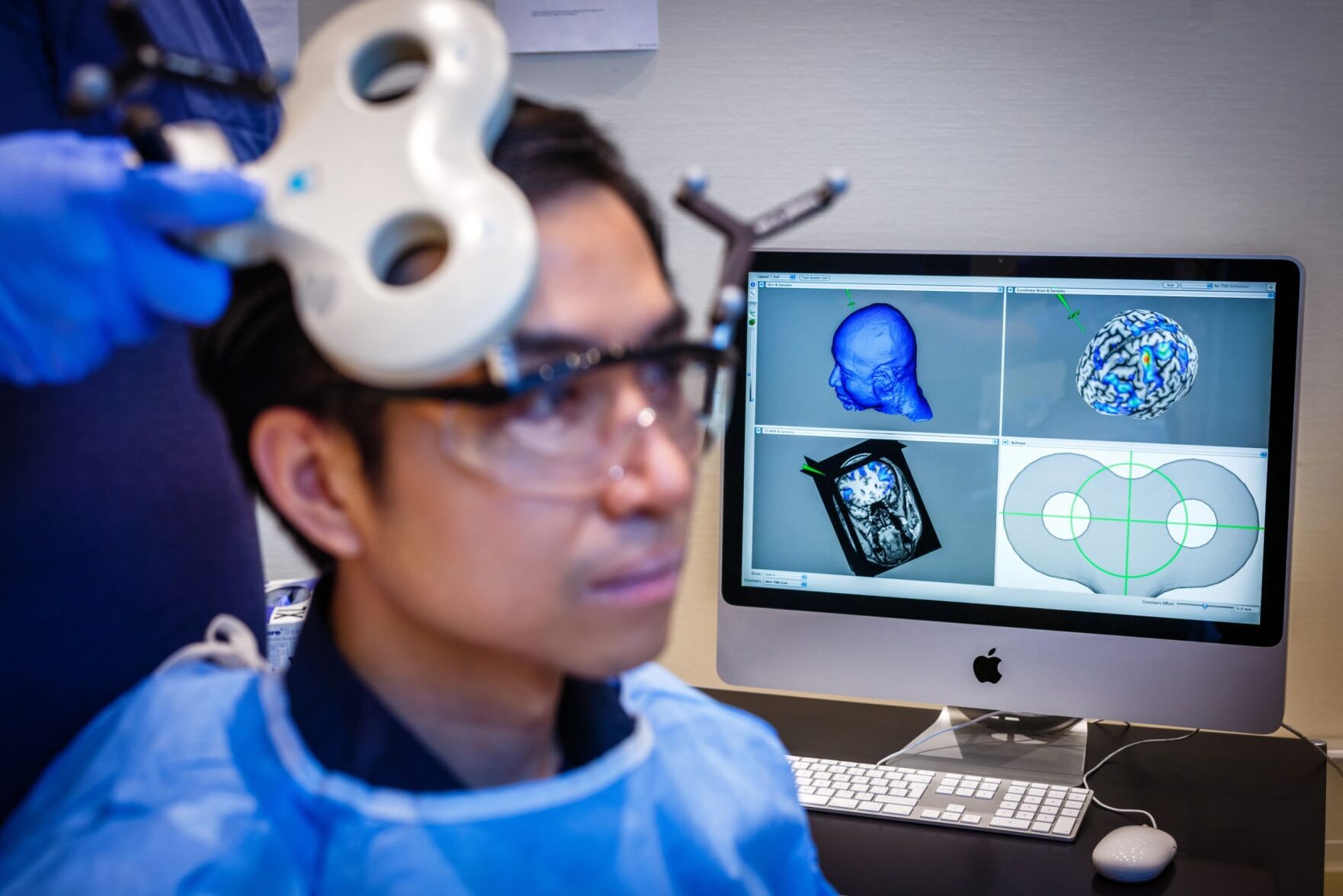
During these critical decision-making phases, researchers applied gentle electrical brain stimulation to areas intrinsically linked with empathy and cognitive choice. This strategic intervention consistently led participants to allocate more funds to others. Lead researcher Christian Ruff confirmed these behavioral shifts, noting they were modest yet remarkably consistent, indicating a measurable increase in altruistic intent, directly linking brain stimulation generosity with quantifiable outcomes.
The findings, formally published in PLoS Biology, project promising future applications. Specifically, they could offer novel therapeutic avenues for conditions characterized by impaired social behavior. However, researchers cautioned that the effect from a single brain stimulation session was transient. Sustained behavioral modification, they explained, would necessitate repeated interventions, drawing a parallel to the consistent effort required for physical training.
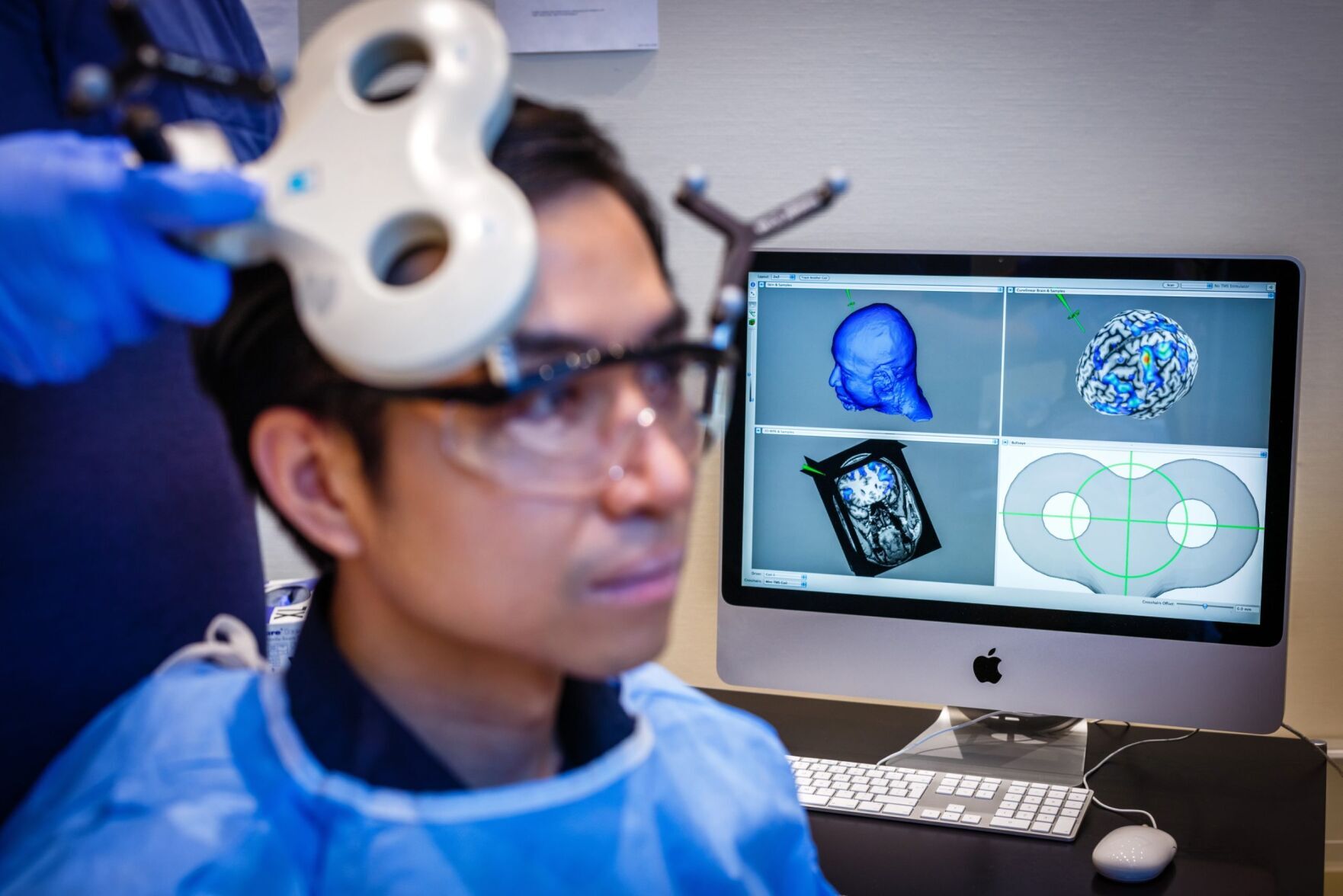
Co-author Jie Hu of East China Normal University emphasized the study’s establishment of a clear cause-and-effect relationship. Altering communication within a defined brain network directly influences how individuals share resources. Intriguingly, participants described the stimulation as mild, reporting no conscious perception of its influence on their decisions. This indicates that the observed behavioral enhancements likely transpired at a subconscious level.
The Translation: Deconstructing Neural Altruism Through Brain Stimulation
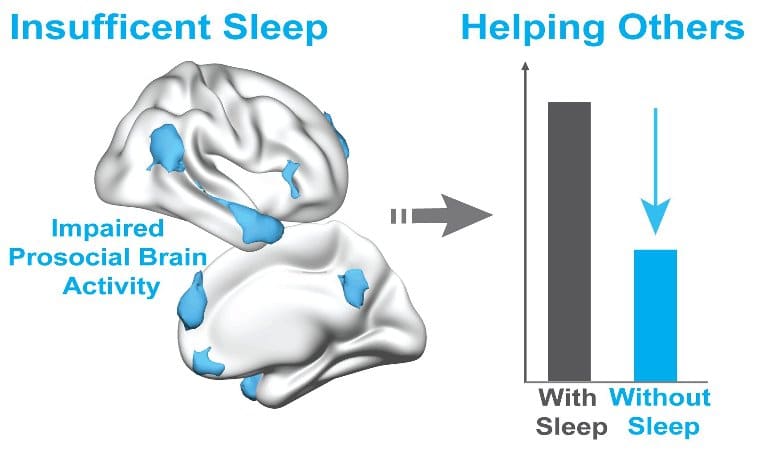
This research fundamentally translates the abstract concept of generosity into a tangible neurobiological mechanism. It demonstrates that specific brain circuits, particularly those governing empathy and executive decision-making, can be precisely modulated to foster more cooperative behavior. Consequently, the study’s logic suggests that altruism is not solely a product of learned ethics but also a function of quantifiable neural states. Therefore, interventions targeting these neural pathways, especially through advanced brain stimulation, could serve as a calibrated approach to enhance pro-social tendencies.
Socio-Economic Impact: Cultivating a More Cooperative Pakistan via Enhanced Generosity
For Pakistani citizens, this research offers a compelling vision for societal advancement. Imagine pedagogical strategies that leverage understanding of neural empathy to cultivate more compassionate students. Professionals in leadership roles might apply these insights to foster collaborative work environments, boosting productivity and team cohesion. Moreover, for households grappling with community engagement challenges, understanding the mechanisms behind enhanced generosity, particularly those revealed by brain stimulation studies, could inform public health initiatives aimed at strengthening social bonds. Ultimately, this structural understanding has the potential to elevate collective well-being across urban and rural landscapes by systematically encouraging cooperative interaction.
The Forward Path: A Momentum Shift in Human Potential Driven by Brain Stimulation Generosity Insights
This development undeniably represents a Momentum Shift. It moves beyond observational psychology to provide a direct, causal link for enhancing pro-social behavior. While immediate applications are therapeutic for specific disorders, the underlying principle – that generosity can be strategically influenced – is a structural game-changer. It opens new frontiers for ethical engineering of human interaction and could fundamentally recalibrate our approach to fostering a more benevolent society. This is not merely maintenance; it is an architectural redesign of human potential, demanding further rigorous investigation and ethical deliberation regarding brain stimulation generosity applications.