
Pakistan’s Monetary Evolution: Introducing New Currency Notes
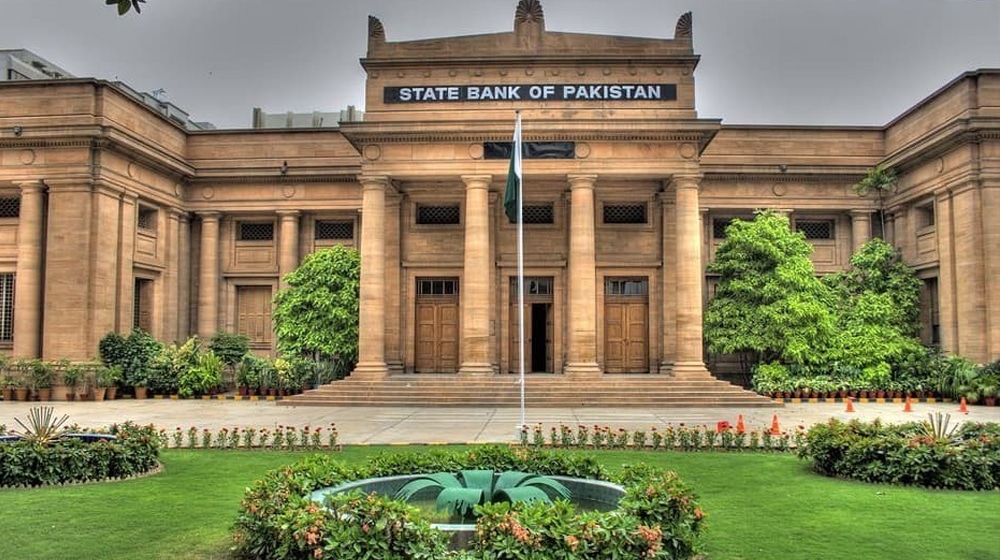
Pakistan’s financial architecture is undergoing a strategic recalibration, with the State Bank of Pakistan (SBP) confirming the finalization of designs for new currency notes. Governor Jameel Ahmad detailed the Board’s approval, subsequently forwarding these designs to the Ministry of Finance for ultimate federal government endorsement. Furthermore, a crucial clarification emerged: there is no proposal to discontinue the Rs. 5,000 note, ensuring stability for high-value transactions. This development unfolds amidst concurrent, critical discussions concerning national super tax policies.
The Translation: Deciphering the Currency Redesign Protocol
The State Bank of Pakistan has systematically concluded the design phase for its new currency notes, representing a pivotal step in modernizing the nation’s monetary instruments. Governor Jameel Ahmad articulated that the SBP Board meticulously approved these designs. Consequently, they were submitted to the Ministry of Finance. Final issuance remains contingent upon explicit federal government approval, establishing a clear procedural baseline. Critically, the SBP definitively clarified that the Rs. 5,000 note will not be discontinued, directly addressing public speculation and reinforcing currency stability.
The Socio-Economic Impact: Calibrating Public Trust and Financial Velocity
This strategic overhaul of these notes directly impacts the daily lives of Pakistani citizens. Enhanced security features will reduce counterfeiting, bolstering confidence in monetary transactions for students, professionals, and households across urban and rural landscapes. Moreover, a modernized currency improves transactional efficiency and aligns Pakistan’s financial instruments with contemporary global standards, thereby fostering a more robust economic environment.
The Forward Path: A Stabilization Move for Monetary Integrity
This development represents a Stabilization Move. The methodical process behind introducing these notes underscores a commitment to fortify Pakistan’s financial infrastructure against emerging threats. It primarily aims to maintain the integrity and functionality of the monetary system, rather than catalyzing immediate, expansive economic growth.
Fiscal Architecture Under Scrutiny: The Super Tax Debate
The Translation: Understanding the Super Tax Challenge
During recent Senate committee deliberations, significant concerns emerged regarding the implementation of the super tax. Senator Abdul Qadir rigorously questioned the feasibility of individuals and businesses paying multiple years of super tax simultaneously. He warned that this aggregated demand could compel entities to divest from Pakistan, citing an unsustainable fiscal burden. Furthermore, Senator Sherry Rehman emphasized the constitutional court’s affirmation of parliament’s authority on super tax, yet cautioned against its escalating financial pressure on citizens. She critiqued the strategy of repeatedly taxing the same demographic, asserting its inadequacy as a sustainable revenue model.
The Socio-Economic Impact: Navigating Business Viability and Citizen Burden
The current super tax strategy presents substantial challenges for Pakistani citizens. For professionals and business owners, particularly small and medium enterprises, immediate, multi-year tax liabilities directly impact operational capital and investment capacity. This policy could hinder job creation and discourage entrepreneurial ventures, affecting families in both urban centers and agricultural regions. Consequently, it creates an environment of economic apprehension, potentially slowing national development.
The Forward Path: A Call for Structural Adjustment
This situation reflects a Stabilization Move attempting to address immediate revenue shortfalls. However, its implementation strategy creates structural vulnerabilities. A more calibrated, long-term fiscal framework is essential to foster sustainable economic growth and prevent capital flight. Adjustments are necessary to transform this into a Momentum Shift.
FBR’s Strategic Adaptation: Calibrating Tax Collection for Stability
The Translation: FBR’s Position on Tax Instalments and Revenue Baselines
Responding to the criticisms, the Chairman of the Federal Board of Revenue (FBR) indicated a potential for flexibility. He stated that the department might permit super tax payments in instalments for specific cases, based on assessed need. He further disclosed that the cumulative super tax collection has precisely reached Rs. 217 billion. Demonstrating proactive outreach, the FBR’s initiative to send tax-related messages via phone and text successfully expanded the registered taxpayer base by one million individuals. The Finance Minister personally validated this outreach, confirming receipt of an FBR message.
The Socio-Economic Impact: Optimizing Compliance and Economic Flow
FBR’s willingness to consider instalment options offers a critical relief valve for businesses and individuals grappling with substantial tax obligations. This adaptive approach can mitigate immediate financial pressure, allowing resources to flow back into economic activities rather than being frozen. Furthermore, the successful expansion of the taxpayer base through targeted communication indicates a promising path toward broader fiscal responsibility and enhanced national revenue generation, directly benefiting public services and infrastructure development.
The Forward Path: Initiating a Momentum Shift in Tax Engagement
The FBR’s adaptive stance signifies a Momentum Shift. By acknowledging taxpayer concerns and exploring flexible payment structures, the department is moving towards a more collaborative and efficient tax collection paradigm. This strategic shift, coupled with successful digital outreach, positions Pakistan for a more inclusive and robust tax ecosystem.








