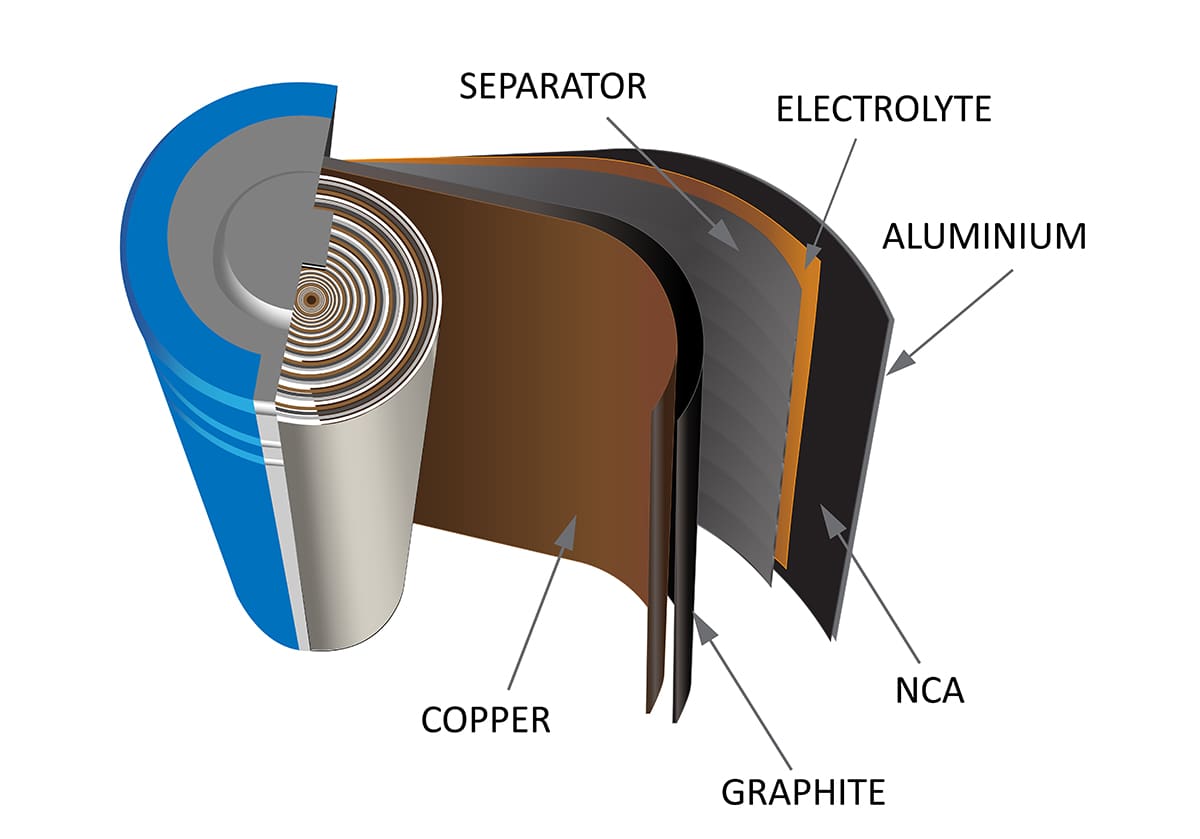
The advancement of Solid-State EV Batteries marks a pivotal structural development for global transportation, poised to redefine efficiency and sustainability. Recent data confirms these next-generation battery systems are nearing practical application. Furthermore, comprehensive testing by several Chinese automakers indicates significant improvements in electric vehicle performance are imminent. This progress acts as a critical catalyst for national advancement, streamlining energy systems and enhancing the operational baseline for sustainable mobility solutions.
The Translation: Deconstructing Next-Gen EV Battery Technology
Understanding the fundamental shift, solid-state batteries replace the liquid electrolyte found in traditional lithium-ion systems with a solid material. Consequently, this calibrated design offers several distinct advantages. It structurally enhances safety, significantly reduces weight, and enables faster charging cycles. Moreover, it facilitates a substantially longer driving range for electric vehicles. Despite historical challenges related to manufacturing complexity and high costs, current validation efforts confirm the technology’s readiness for scaled deployment.
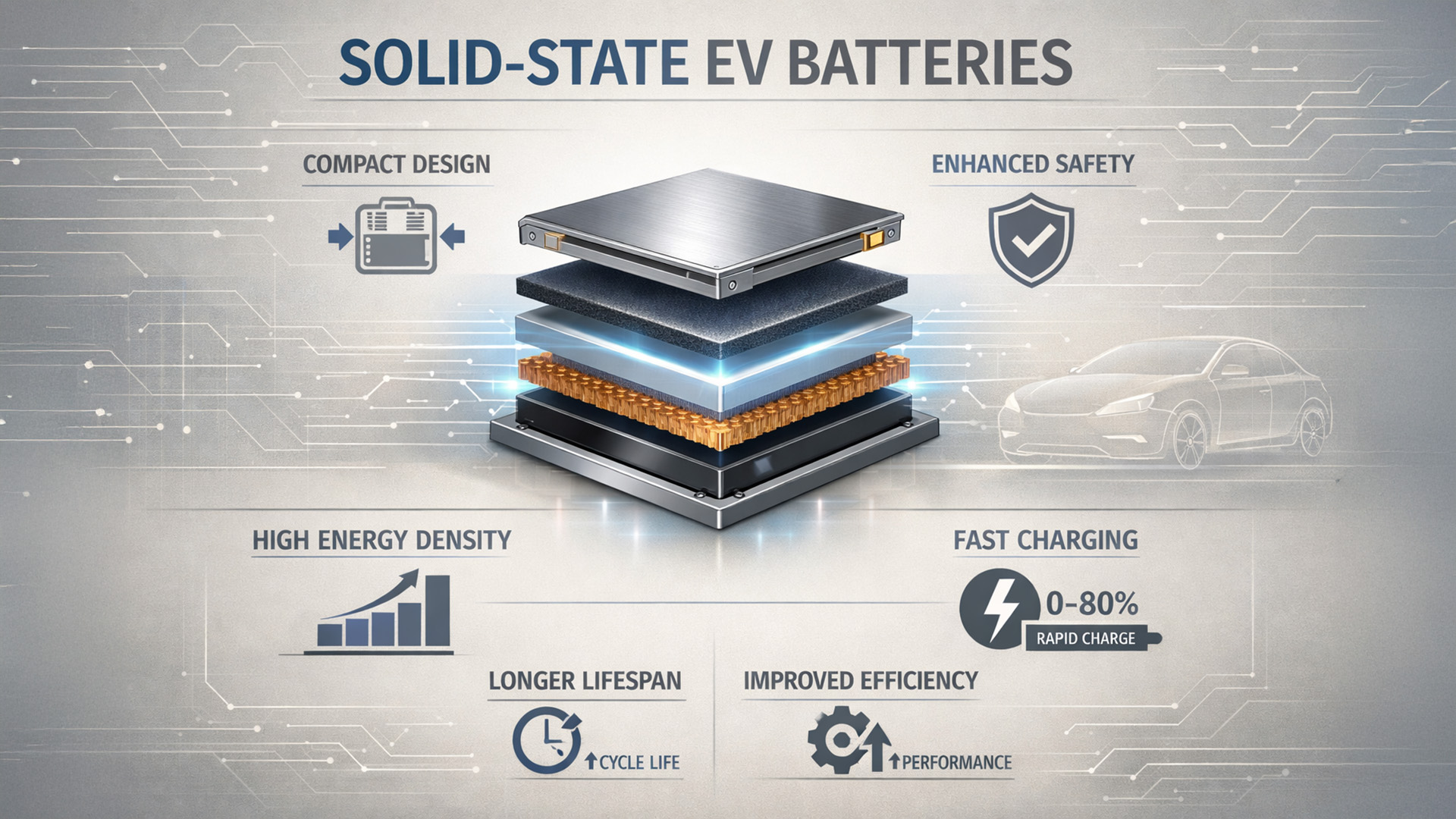
Calibrated Advancements: Extended Range for Electric Vehicles
A strategic focus on performance metrics reveals remarkable progress. Several prominent Chinese automakers are now rigorously testing novel battery systems. For instance, Dongfeng Motors has commenced extreme cold-weather trials for a battery achieving approximately 620 miles of range. Additionally, Chery’s Rhino-series batteries, encompassing both semi-solid and fully solid-state designs, project ranges up to 932 miles. Validation and production are slated for the coming year. Changan’s Golden Bell battery targets similar figures, with in-vehicle testing scheduled strategically later this year.

Furthermore, BYD has reported significant developments in battery chemistry and rapid-charging technology. Their system is capable of delivering up to 621 miles of range and can charge from 10% to 97% in a rapid nine minutes. These cumulative breakthroughs signify a rapid progression towards robust, long-range power solutions for electric vehicles.
Global Competition: A Strategic Imperative for Battery Innovation
The global landscape for battery development presents a highly competitive environment. Data from the Center for European Policy Analysis indicates Chinese manufacturers currently produce approximately 75% of the world’s lithium-ion battery cells. In contrast, companies across other regions are also accelerating their solid-state technologies. For example, Boston-based Factorial has collaborated with Mercedes-Benz, achieving a trial range of around 745 miles in a modified EQS vehicle. Furthermore, industry leaders like Tesla, Rivian, and Ford are actively pursuing next-generation battery innovations, demonstrating a collective push towards advanced power solutions.

The Socio-Economic Impact: Transforming Daily Life in Pakistan
The widespread adoption of advanced EV battery systems will profoundly impact the daily lives of Pakistani citizens. For urban professionals and students, extended vehicle range mitigates range anxiety, facilitating longer commutes and weekend travel without frequent recharging interruptions. Economically, reduced reliance on imported fossil fuels will stabilize transport costs, benefiting households and businesses. Rural communities will gain enhanced accessibility, supporting agricultural logistics and connecting remote areas more efficiently. Consequently, this technological shift promises cleaner air quality, contributes to national energy independence, and creates new skill development and employment opportunities within the emerging EV ecosystem.
The “Forward Path”: A Momentum Shift for Sustainable Mobility
This rapid progression in solid-state EV battery technology represents a decisive “Momentum Shift” rather than merely a stabilization move. The magnitude of improved range, enhanced safety, and quicker charging transcends incremental upgrades; it fundamentally alters the viability and appeal of electric vehicles. This development catalyzes a paradigm shift in energy storage, laying a robust foundation for truly sustainable and efficient transportation systems. The strategic investments and accelerated testing underscore a collective global commitment to this transformative energy solution.