

National advancement necessitates precise understanding of public health challenges. In Pakistan, the significant smoking health risks Pakistan faces demand a calibrated approach, moving beyond broad generalizations to specific scientific distinctions. This article clarifies that while nicotine is the primary addictive agent, it is the combustion of tobacco that fundamentally drives the deadly toll of smoking-related diseases. Comprehending this difference is structural to formulating effective public health interventions and minimizing the profound impact on national well-being.
The Translation: Unpacking the Science of Tobacco Harm
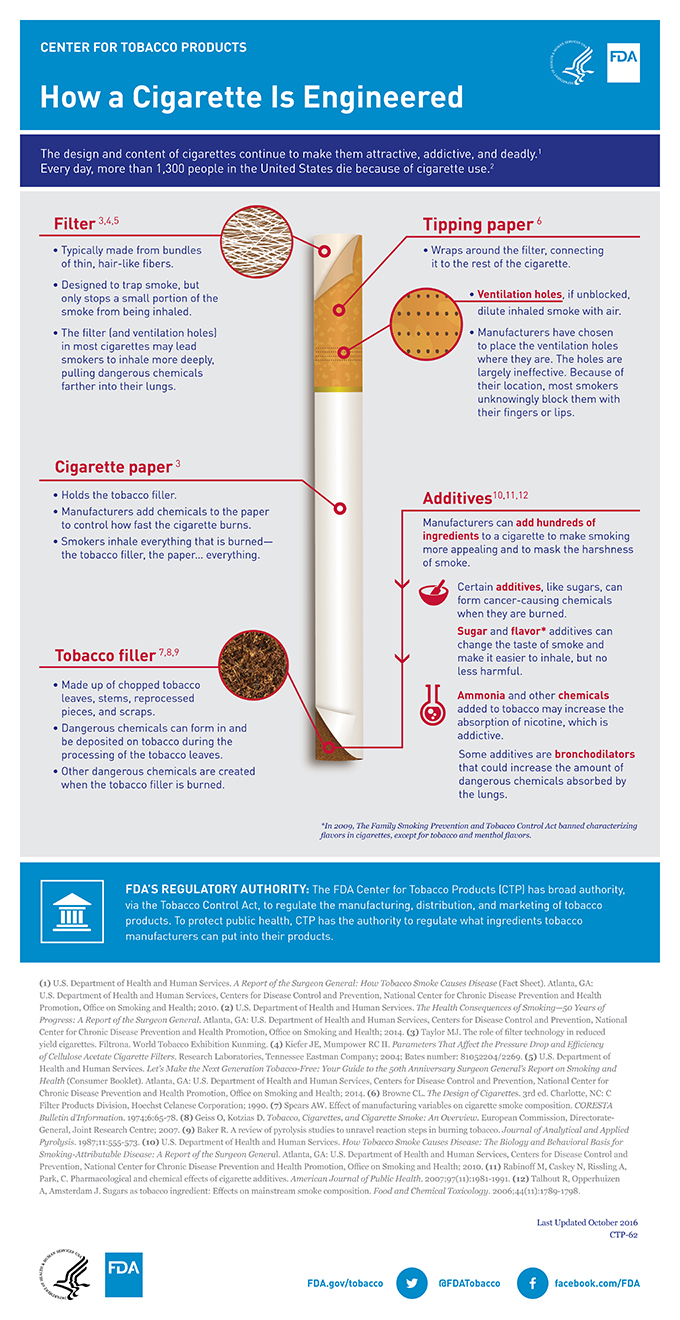
For decades, a pervasive misconception has linked nicotine directly to the most severe smoking health risks Pakistan faces, including cancer and heart disease. However, scientific consensus now provides a more precise narrative. The true catalyst for tobacco-related illnesses is not nicotine itself, but the act of combustion, the burning of tobacco within a cigarette. This process generates hundreds of toxic and carcinogenic chemicals. These substances, ranging from benzene to carbon monoxide, systematically damage human physiology, scarring lung tissue and compromising cardiovascular function. Consequently, it is this complex chemical cocktail, produced by burning tobacco, that inflicts the devastating health consequences.

In contrast, nicotine’s role is primarily neurological: it is the chemical compound responsible for the addictive properties of tobacco products. This explains the immense difficulty individuals experience when attempting to cease smoking, despite profound awareness of the dangers. Major health authorities, including the US Food and Drug Administration, corroborate this distinction, asserting that while nicotine establishes the addictive cycle, other constituents of tobacco smoke are responsible for the fatal pathologies.
Socio-Economic Impact: Calibrating Public Health for Pakistan
The prevailing misunderstanding between nicotine and combustion creates critical inefficiencies within Pakistan’s public health ecosystem. Annually, an estimated 160,000 to 170,000 Pakistanis succumb to tobacco-linked diseases, including lung cancer, heart disease, stroke, and chronic respiratory conditions. This systemic health burden places immense pressure on an already resource-constrained healthcare infrastructure, forcing hospitals to prioritize preventable conditions. Addressing these smoking health risks Pakistan faces is a national imperative.
Daily Life Implications for Pakistani Citizens:
- Students: Misinformation can impede effective prevention programs, potentially leading to earlier initiation of smoking due to an unclear understanding of specific risks.
- Professionals: Increased prevalence of chronic diseases impacts workforce productivity and leads to significant personal and family medical expenses.
- Households: Families endure not only the emotional toll of illness but also substantial financial strain from extended medical care for preventable conditions.
Furthermore, persistent confusion among healthcare professionals, as indicated by local research, can inadvertently misdirect clinical advice and public policy. A clearer, more precise articulation of these scientific realities is therefore essential to safeguard the health and economic stability of urban and rural Pakistani communities.
The Forward Path: A Strategic Shift in Public Health Discourse
This nuanced scientific understanding represents a Momentum Shift for Pakistan’s public health strategy. It mandates a re-evaluation of current messaging and educational frameworks. While the cessation of all nicotine use remains the optimal objective, recognizing the differentiated harms allows for targeted interventions. Specifically, it opens pathways for harm reduction strategies, focusing on eliminating combustion while addressing nicotine addiction through safer alternatives.

Consequently, this distinction is not merely academic; it is a pragmatic necessity. Scientific studies, such as the US Lung Health Study, affirm that long-term use of nicotine replacement therapies does not elevate the risk of major cancers. This empirical evidence underscores the critical difference: nicotine addiction vs combustion hazards. For Pakistan to strategically reduce its burden of tobacco-related diseases, public health campaigns must be recalibrated to precisely inform citizens and healthcare providers alike, ensuring a more efficient allocation of resources and ultimately, a healthier population.









