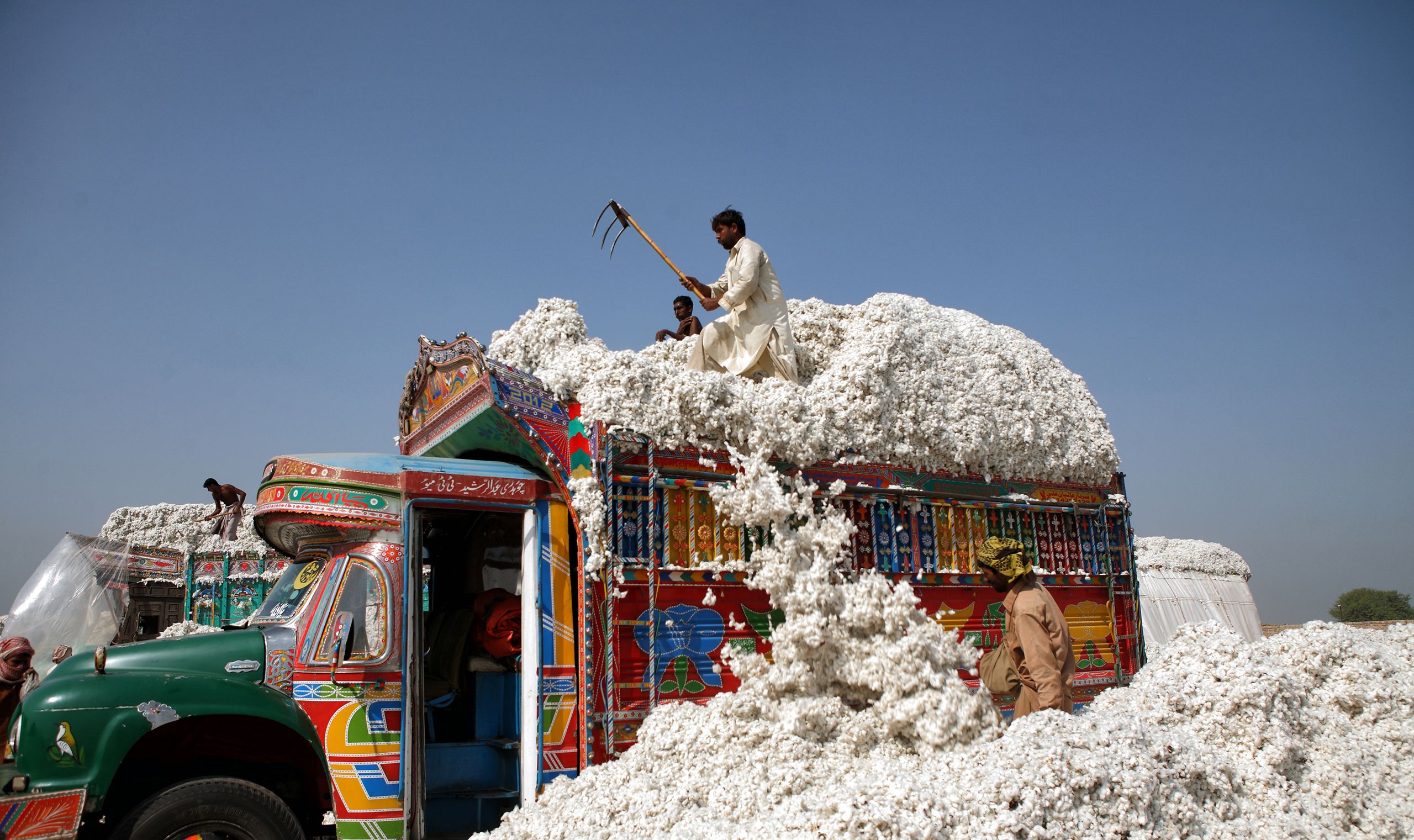
Pakistan’s cotton ginning landscape is undergoing a dramatic shift. There is an unprecedented surge in active Sindh cotton ginning units. In contrast, Punjab, traditionally the heartland of cotton production, faces a steady decline. This significant transformation is largely fueled by record inter-provincial cotton movement. Consequently, this signals a re-calibration of the country’s textile supply chain.
The 2025-26 season has emerged as a pivotal period. Industry sources note the highest levels of cotton procurement across provincial boundaries in Pakistan’s history. This phenomenon underscores evolving economic dynamics, infrastructure advantages, and strategic adaptations by ginners in response to changing market conditions.
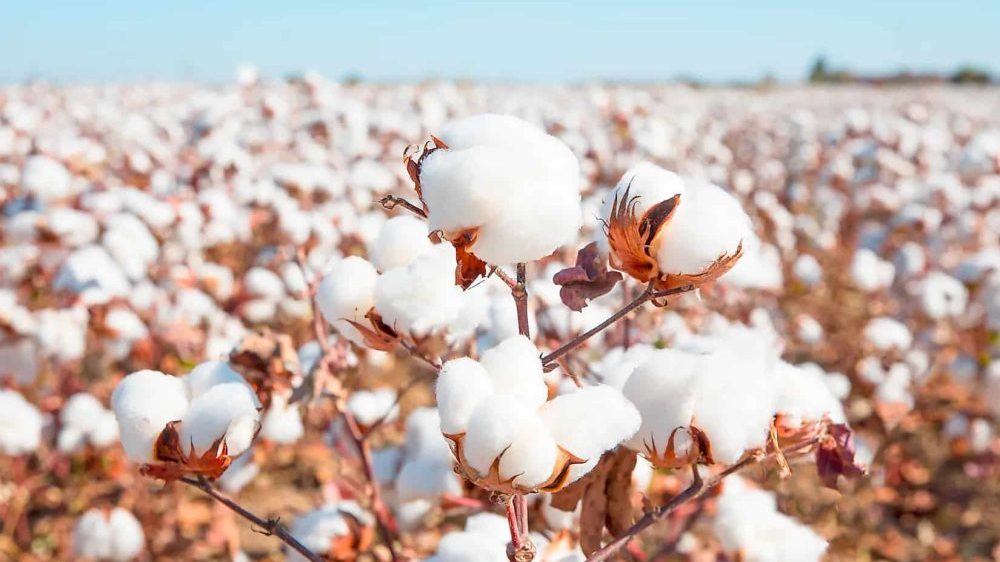
Sindh’s Ascent: A New Cotton Ginning Hub
Sindh’s cotton ginning sector has experienced an extraordinary boom. Data from the Pakistan Cotton Ginners Association reveals a substantial increase. The number of active ginning factories in Sindh nearly tripled, escalating to 82 by December 31, 2025. This marks a significant rise from 67 units in December 2024 and only 31 in December 2023. This growth highlights the province’s emerging dominance in cotton processing.
Historically, Sindh’s major cotton zones, including Badin, Thatta, Mirpurkhas, Hyderabad, Umerkot, and Sanghar, began their ginning season from June to November. During this period, Punjab-based ginners often sourced cotton from Sindh. However, a stark reversal has occurred over the past two to three years. Sindh ginners now proactively purchase vast quantities of high-quality cotton. They source from key markets in Punjab (such as Rahim Yar Khan, Bahawalpur, Bahawalnagar, Dera Ghazi Khan, Khanewal, and Vehari) and from Balochistan. This strategic pivot drives the continuous expansion of active ginning units in Sindh.

Punjab’s Retreat: Challenges for Cotton Ginning Units
In stark contrast to Sindh’s growth, Punjab’s cotton ginning industry faces a significant downturn. The large-scale outflow of cotton from Punjab to Sindh directly contributes to a steady decline. The number of active ginning factories in the province has notably decreased. Data reveals a concerning trend: Punjab had 210 active ginning factories as of December 31, 2023. This number dropped to 155 in December 2024, and further plummeted to just 140 by December 2025. This downward trajectory raises serious concerns about the long-term viability of cotton ginning units Pakistan in Punjab.
Furthermore, the implications for Punjab extend beyond mere factory closures. It suggests a potential shift in economic power within the cotton value chain. Consequently, this highlights the challenges faced by Punjab-based ginners. They struggle to retain market share and operational capacity.

Economic Drivers Behind the Shift in Cotton Processing
Several economic factors underpin this dramatic redistribution of ginning activity. By December 31, 2025, Punjab’s ginning factories had received 2.541 million bales of raw cotton. Meanwhile, Sindh recorded arrivals of 2.893 million bales, including 179,000 bales from Balochistan. This contrasts sharply with 2022 figures, where Punjab received 2.718 million bales and Sindh 1.812 million bales (including 92,000 from Balochistan).
Ihsanul Haq, Chairman of the Cotton Ginners Forum, observes that active ginning factories in Sindh are currently adept at mixing high and medium-quality cotton. This practice enables textile mills to procure lint at comparatively lower prices. Consequently, this sustains demand and drives price increases. Cotton prices have reportedly risen by Rs. 2,000 to Rs. 3,000 per maund recently, settling around Rs. 15,300. Premium quality is capped at approximately Rs. 16,000 per maund.
Moreover, industry experts attribute Sindh’s ascendancy to various factors. These include better infrastructure for cotton processing, strategic proximity to major textile clusters and ports, and competitive pricing strategies. Such strategies make inter-provincial cotton transport economically viable.

Quality Concerns in Sindh Cotton Ginning Practices
While mixing different quality grades allows ginning operations in Sindh to offer competitive pricing, it has raised concerns. Unverified reports, highlighted by Ihsanul Haq, suggest some Sindh ginners allegedly mix high-quality cotton from Punjab and Balochistan with waste cotton. This practice produces lint. Already, textile manufacturers have lodged several complaints.
Such reports raise significant quality concerns among textile manufacturers. They rely on consistent lint standards for their production processes. The integrity of the cotton supply chain is paramount. Any compromise on quality could have broader repercussions for Pakistan’s textile industry, especially in its export markets. Maintaining acceptable quality standards for various end uses is crucial for long-term sustainability and reputation.

Navigating the New Landscape of Pakistan’s Cotton Industry
The Pakistan Cotton Ginners Association data clearly demonstrates a reversal of historical patterns. Sindh is now emerging as the dominant cotton processing hub. However, Punjab maintains its strength in raw cotton production. This profound shift necessitates careful consideration of future strategies for both provinces in the Pakistan cotton industry.
For Punjab, addressing the decline in ginning units may require specific interventions. These could include policy changes, investment in modernization, or diversified agricultural strategies. The goal is to revitalize its cotton processing infrastructure. For Sindh, managing its newfound dominance comes with responsibility. It must uphold quality standards and ensure ethical procurement practices. This will maintain trust within the textile supply chain.
Ultimately, the evolving dynamics underscore the need for a collaborative approach. This is essential across the entire cotton value chain in Pakistan. Adapting to market forces while safeguarding the quality and integrity of its vital cotton industry remains crucial.