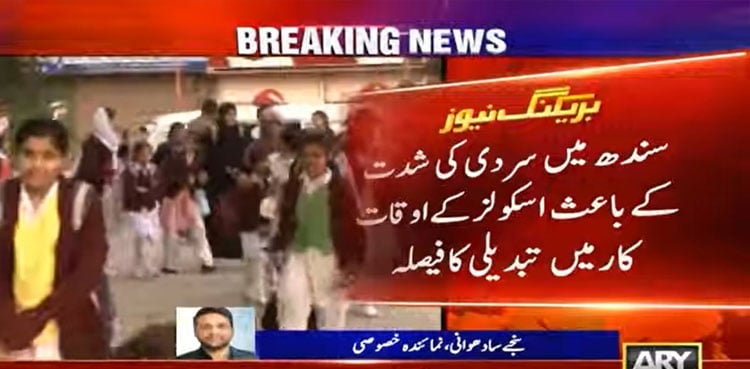
Sindh School Timings Shift Amid Cold Wave
The Sindh government has announced significant adjustments to Sindh school timings. This crucial decision, affecting both public and private educational institutions province-wide, aims to protect students from harsh morning temperatures. As the winter season intensifies, authorities prioritize the health and safety of young learners.
Consequently, this article provides a comprehensive overview for parents, students, and educators. We will explore the specifics of these changes, their implications, and how they compare with measures taken in other parts of Pakistan. Understanding these updates is vital for a smooth transition during the cold spell.

New Sindh School Timings: Essential Details for Parents
The Sindh Education Department has issued an official notification. All schools within the province will now begin classes at 9:00 AM. This adjustment specifically targets the coldest morning hours, thereby reducing students’ exposure to extreme low temperatures.
This revised schedule minimizes risks during commutes and initial classroom periods. Importantly, while the opening time has shifted, school closing times remain unchanged. This approach ensures academic continuity while protecting students during the most vulnerable part of the day.
The new schedule took immediate effect and will continue until January 26th. This temporary measure allows authorities to reassess weather conditions as winter progresses. Therefore, parents and guardians should check official channels for any future updates regarding school schedules.
- New Start Time: 9:00 AM for all schools.
- Closing Times: Remain unchanged.
- Effective Until: January 26th.
- Reason: Protect students from extreme morning cold.

Rationale Behind Revised Sindh School Timings
The core reason for altering Sindh school timings is to shield students from health risks linked to severe cold. Harsh morning temperatures can cause various illnesses. These include respiratory issues, common colds, and flu, which impact student attendance and overall well-being.
Officials confirm this measure is proactive. It creates a safer and more comfortable learning environment for children. By delaying the start time, students will arrive at school when ambient temperatures have risen. Consequently, this reduces the likelihood of illness, enabling better focus on studies.
This move highlights the government’s commitment to a student-centric educational approach during adverse weather. Furthermore, many parents feel relieved by this decision. It eases worries about children braving frosty mornings, allowing for better rest and reduced cold exposure. Ultimately, this supports academic performance and general health.
Comparing Sindh’s Approach with Other Provinces
It’s insightful to observe how different provinces in Pakistan handle the cold wave. Sindh has chosen to revise its school schedule. In contrast, neighboring Punjab implemented a more extensive measure: extending winter vacations for educational institutions.
The Punjab government decided to keep schools closed for a longer period. This decision stems from the severe cold conditions prevalent in that region. Their approach prioritizes minimizing any outdoor exposure for students, offering an extended break from physical schooling.
Both strategies aim for the same fundamental goal: protecting students from cold weather’s adverse effects. However, the differences showcase variations in regional climatic impact and distinct policy responses. Sindh maintains educational continuity with protective measures, while Punjab opts for complete insulation. This reflects a nuanced understanding of their respective regional needs.

Conclusion: Adapting for Well-being Amidst Winter Challenges
The Sindh government’s swift action to change its school timings is commendable. This necessary step responds effectively to the intensifying cold spell. It thoughtfully balances the critical need for continuous education with the paramount importance of student health and safety.
Parents, students, and school administrations are strongly encouraged to adapt. This ensures a smooth transition and maximizes the benefits of this protective policy. Adherence to the new schedule will facilitate better student attendance and engagement, reducing health risks.
As winter progresses, such adaptive strategies remain vital for student well-being across Sindh. This proactive approach reinforces a commitment to fostering a supportive, safe, and effective educational environment for all children. It ensures learning can proceed without undue hardship during colder months.