
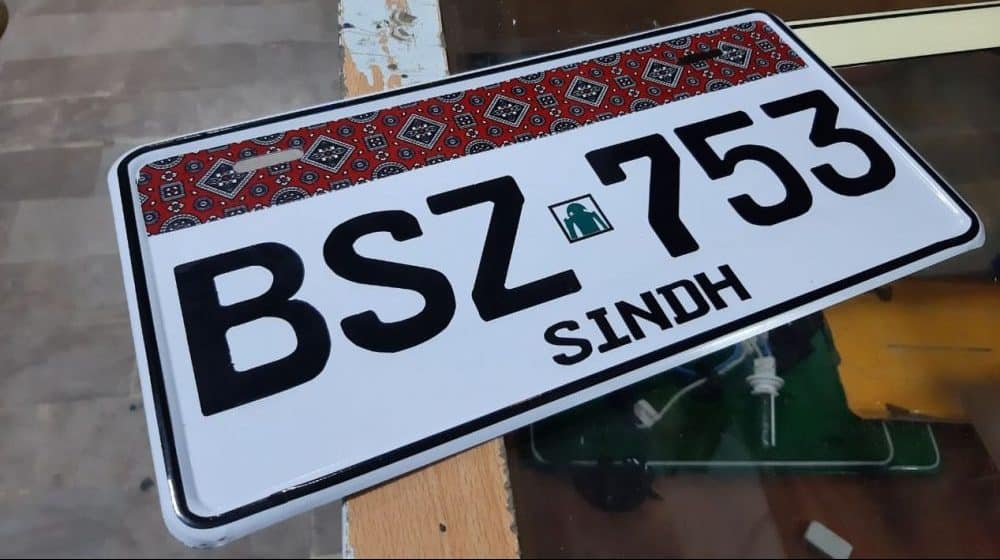
Sindh Police have strategically extended the deadline for motorists to replace non-standard vehicle Sindh number plates until March 31. This calibrated move allows citizens ample time to comply with government-approved standards before a rigorous citywide enforcement campaign commences on April 1. Consequently, this initiative aims to enhance system efficiency and bolster public safety across Karachi’s transport infrastructure.
The Translation: Calibrating Compliance for National Standards
The Sindh Police administration, under the directive of Karachi Police Chief AIG Azad Khan, has set March 31 as the revised deadline for vehicle owners to install official government-approved Sindh number plates. This extension serves as a procedural refinement, providing the public with sufficient time to transition from non-compliant or “fancy” plates. Furthermore, post-deadline, specifically from April 1, authorities will initiate a comprehensive enforcement drive. During this operation, police units will meticulously verify driving licenses, ensuring all motorists adhere to established legal protocols. Ultimately, the government’s structural objective is to eliminate unauthorized plate usage, which frequently impedes vehicle identification and law enforcement efforts.
The Socio-Economic Impact: Enhancing Citizen Safety and Accountability
This policy directly impacts Pakistani citizens by mandating adherence to national transport safety standards. For urban professionals and rural families alike, the requirement for official Sindh number plates translates into enhanced security and reduced risks on the roads. Conversely, non-compliance will lead to fines and potential legal action, directly affecting household finances. Moreover, the simultaneous crackdown on vehicles with fake fitness certificates, spearheaded by Senior Sindh Minister Sharjeel Inam Memon, underscores a strategic push for a safer transport ecosystem. This holistic approach aims to protect commuters from unsafe vehicles and fraudulent practices, thereby fostering greater public trust in transport services. Students and daily commuters will experience a more secure transit environment as unsafe vehicles are systematically removed from circulation.
The “Forward Path”: A Structural Stabilization Move
This development represents a Stabilization Move within Pakistan’s transport sector. It is not a revolutionary shift but rather a crucial reinforcement of existing regulatory frameworks. The strategic extension of the deadline, coupled with stringent enforcement, demonstrates a commitment to foundational compliance and accountability. This measured approach creates a more robust and transparent system through focused number plate standardization and the elimination of fake fitness certificates. Therefore, this framework is essential for establishing a reliable baseline for public safety and operational efficiency, preventing systemic decay rather than initiating a new trajectory.








