
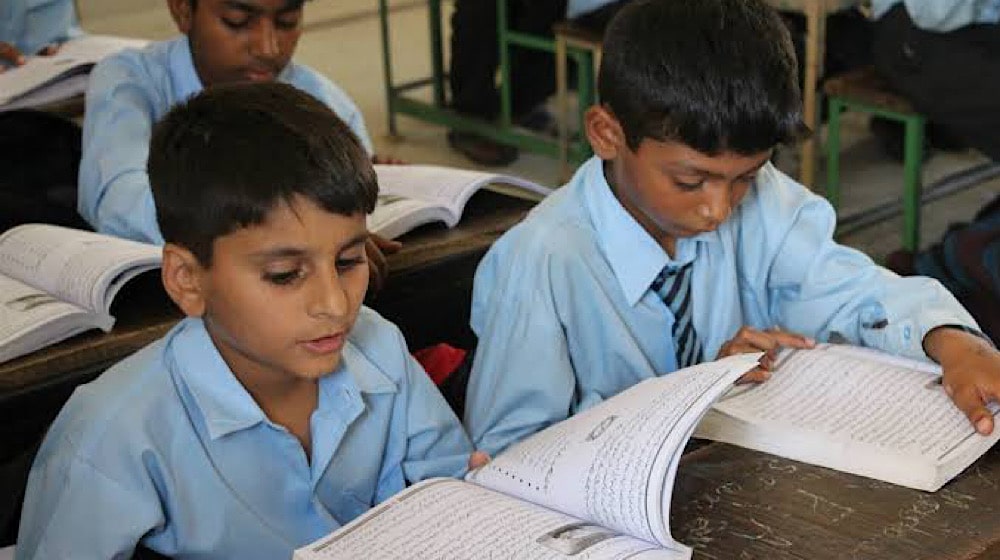
Strategic Resource Management: The Sindh Textbook Collection Directive
In a calibrated move towards national academic advancement, the Sindh Education Department has initiated a precise directive for Sindh Textbook Collection. Following annual examinations, schools are now mandated to retrieve free textbooks from students. This structural adjustment aims to optimize resource allocation, ensuring sustainable access to essential learning materials for all students in future academic sessions. This policy embodies a strategic shift towards enhanced inventory management and educational efficiency across the province.
The Translation: Systematizing Educational Resource Flow
The core logic behind this directive is to establish a robust, cyclical system for textbook utilization. A spokesperson for the provincial education department confirmed that schools must meticulously record the return of learning materials on student result cards. Furthermore, institutions are required to maintain a comprehensive register detailing all books issued and subsequently received. This granular tracking extends from primary to higher secondary levels, standardizing the return process for every grade.
Consequently, all collected textbooks will be securely stored in designated school book banks. This proactive measure prevents resource wastage and guarantees a baseline availability of learning materials. District education officers are also instructed to submit updated stock records to regional directors, enabling a centralized, real-time overview of provincial textbook inventory. This precision in data management is a catalyst for improved educational infrastructure.

The Socio-Economic Impact: Direct Benefits for Pakistani Households
This policy directly impacts the daily lives of Pakistani citizens, particularly students and their families. For urban and rural households, the assurance of free, readily available textbooks alleviates a significant financial burden. Students can access necessary learning materials without delay, fostering an uninterrupted educational journey. This is particularly crucial for families with multiple children in school, where the cost of new books each year can be prohibitive. Through the strategic implementation of the Sindh Textbook Collection program, the department is creating a more equitable educational landscape.
Professionals within the education sector, including teachers and administrators, will benefit from streamlined resource management. The consistent availability of textbooks reduces administrative complexities and allows educators to focus more on instruction rather than resource procurement challenges. This structural efficiency creates a stable foundation for academic planning and curriculum delivery across Sindh.

The Forward Path: A Stabilization Move for Sustained Progress
This development represents a Stabilization Move rather than an immediate “Momentum Shift.” It is a critical structural refinement designed to fortify existing educational systems. By implementing a rigorous Sindh Textbook Collection protocol, the department is addressing a fundamental challenge in resource continuity. This strategic baseline ensures that future educational initiatives can build upon a stable and predictable supply of learning materials. It’s a pragmatic step that solidifies the groundwork for subsequent advancements in pedagogical methodologies and digital integration.
The long-term impact of this refined inventory management system will yield sustained benefits, creating a more resilient educational framework for Pakistan. This demonstrates a disciplined approach to resource stewardship, crucial for long-term national development.









