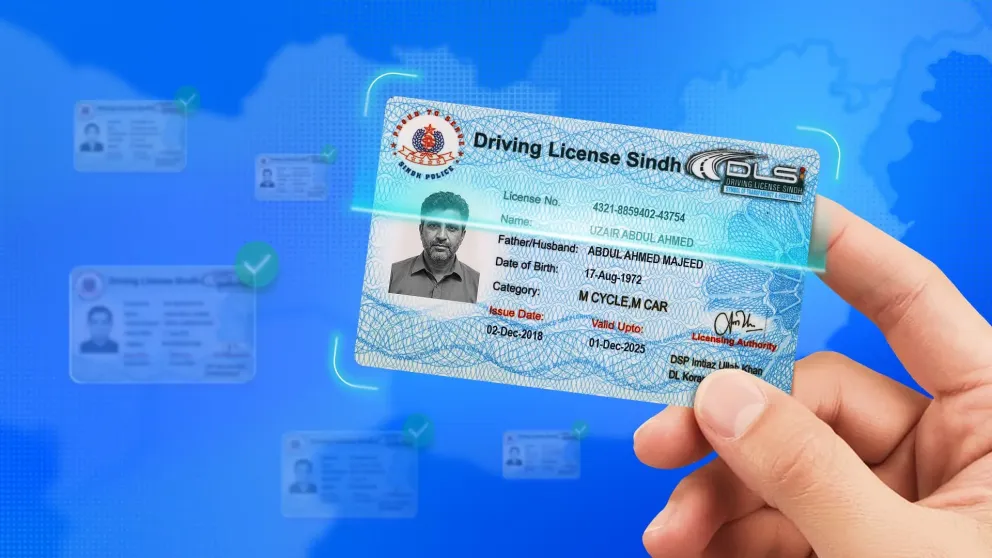
Elevating Road Competency: The New Sindh Driving License Mandate
The Sindh government has strategically implemented a pivotal policy: mandatory pre-license driving training for all individuals seeking a Sindh driving license. This calibrated decision, announced during the 50th Public-Private Partnership Policy Board meeting, underscores a structural commitment to enhancing road safety and standardizing driver skills across the province. Consequently, aspiring drivers must now complete this specialized training before their licenses are issued, marking a significant advancement in Pakistan’s transportation sector.
The Translation: Calibrated Training for Safer Roads
Previously, obtaining a driving license in Sindh primarily involved passing a practical test. However, the new framework mandates a structured training regimen prior to any license issuance. This systematic approach ensures that every applicant receives comprehensive instruction, covering essential road rules, defensive driving techniques, and vehicle control. Furthermore, the decision empowers the establishment of dedicated HTV (Heavy Transport Vehicle) and LTV (Light Transport Vehicle) driver training schools throughout Sindh, a critical baseline for developing professional drivers.
The Socio-Economic Impact: Empowering Citizens and Boosting Efficiency
This policy change directly impacts Pakistani citizens by fostering a safer driving environment and creating new professional opportunities. For students and young professionals, access to internationally standardized driver training improves their potential for securing employment both locally and abroad. For households, the increased competency of drivers translates into fewer accidents and enhanced public safety, reducing economic burdens associated with road mishaps. Urban and rural communities will benefit from a more disciplined and skilled driving population, ultimately improving overall transport efficiency and reducing traffic congestion.

The Forward Path: A Momentum Shift for National Advancement
This initiative represents a clear Momentum Shift for Pakistan. The government’s ambitious target to train and license 100,000 drivers within five years is a robust indicator of its commitment to human capital development. By prioritizing skilled driver education, Sindh is not merely issuing a license; it is investing in a more competent workforce and a safer society. Consequently, this strategic focus will yield long-term dividends in road safety, economic productivity, and the international competitiveness of Pakistani drivers. Additionally, Chief Minister Syed Murad Ali Shah’s emphasis on speeding up projects like Marble City Karachi further demonstrates a holistic approach to provincial development.
Strategic Implementation & Future Outlook
The establishment of specialized driver training schools forms the backbone of this initiative. Authorities will strictly enforce the new rule, ensuring that no Sindh driving license is issued without verifiable completion of the mandatory training. Furthermore, this policy aligns with broader goals approved by the board, including advancements in environmental tourism and forest protection, demonstrating a comprehensive vision for sustainable growth. This calibrated approach aims to equip the next generation with practical skills, positioning Sindh as a leader in modern transportation standards.