
Calibrating Karachi Airport Security Protocols for Enhanced National Safety
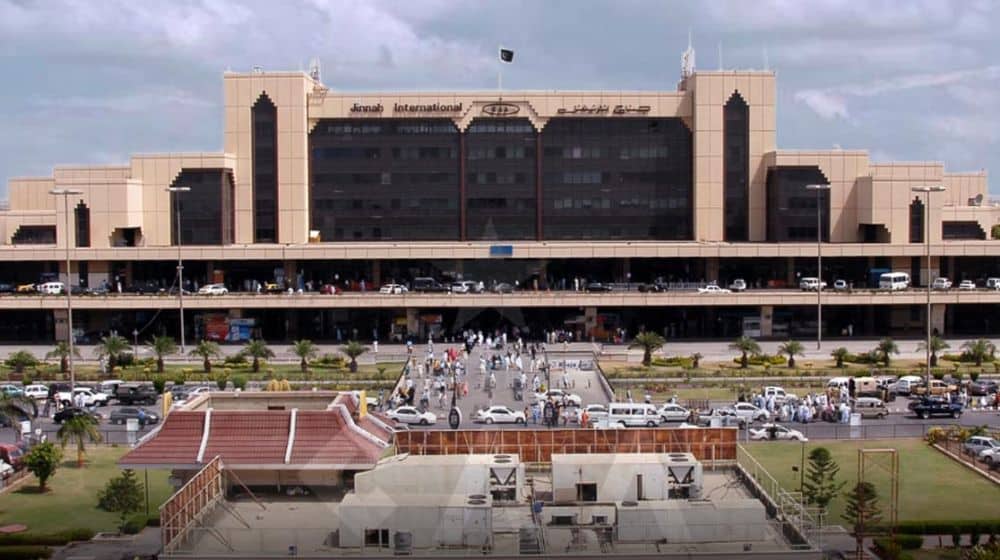
In a decisive move to fortify national infrastructure, the Sindh government has implemented a strategic new protocol for Karachi Airport security, limiting accompanying individuals for passenger pick-up and drop-off to a maximum of two. This structural adjustment, mandated during a high-level meeting on escalating security threats chaired by the provincial home minister, is engineered to enhance safety and streamline operations at Jinnah International Airport. Consequently, this measure directly addresses overcrowding, setting a baseline for more controlled public access and a more secure operational environment.
The Translation: Deconstructing New Security Directives
The recent directives from the Sindh government establish clear parameters for public interaction within the immediate vicinity of Karachi Airport. Specifically, each departing or arriving passenger may now be accompanied by a maximum of two individuals. This calibrated decision stems from comprehensive briefings by senior officials, including the Home Secretary and Inspector General of Sindh Police, who detailed evolving security landscapes and past incidents. Furthermore, the provincial home minister has initiated the development of robust Standard Operating Procedures (SOPs) to ensure swift and efficient responses to any security incident, thereby reinforcing the airport’s protective layers.

Structural Enhancements Across the Provincial Security Spectrum
Beyond the immediate airport environment, these strategic decisions catalyze broader security enhancements across Sindh. Law enforcement agencies are instructed to strengthen inter-agency coordination, fostering a more unified security front. Additionally, a structural mandate now requires search application devices in all Sindh prisons and the compulsory deployment of female searchers at all provincial entry and exit points. These parallel initiatives reflect a holistic approach to securing critical installations and public spaces, elevating the overall security baseline for citizens.
The Socio-Economic Impact: Daily Life and Operational Efficiency
For the average Pakistani citizen, particularly those in urban centers like Karachi, these new regulations at the airport translate into tangible shifts in daily routines and expectations. Families will need to coordinate pick-up and drop-off logistics more precisely, potentially reducing wait times and congestion within the airport’s immediate perimeter. This, consequently, enhances travel efficiency and mitigates unnecessary security risks associated with large gatherings. While initial adjustments may be required, the long-term benefit includes a more secure and orderly travel experience, positively impacting professionals, students, and families alike.

Broader Implications for Public Safety and Civic Order
Moreover, the directive for a security audit of sensitive installations and a crackdown on the public display of weapons signifies a robust commitment to civic order and public safety. These measures, integrated with the full implementation of the National Action Plan, create a more secure environment beyond the airport gates. Such disciplined enforcement aims to reduce crime, deter illicit activities, and foster a greater sense of security among the populace, thereby enabling smoother economic and social functioning across the province.
The “Forward Path”: A Stabilization Move for System Resilience
This development represents a Stabilization Move rather than an immediate momentum shift. The focus is squarely on reinforcing existing security frameworks and mitigating known vulnerabilities. By standardizing airport access and mandating comprehensive security audits, the Sindh government is systematically addressing systemic weaknesses to build greater resilience against potential threats. This disciplined, precision-driven approach is critical for maintaining national stability and ensuring the sustained functionality of vital infrastructure like Karachi Airport. While not a radical new direction, it is a necessary recalibration for long-term security architecture.

Strategic Implementation for a Secure Future
The emphasis on coordinated law enforcement and a holistic security audit across various installations underscores a proactive strategy. This architectural approach ensures that isolated measures are integrated into a broader, more effective security apparatus. Consequently, Pakistan progresses towards a more secure and efficient operational environment, built on principles of order and precision. This sustained effort is foundational for fostering an environment conducive to future national advancement.








