

Elevating national health infrastructure requires calibrated strategic interventions. Consequently, the Sindh government has initiated mandatory health screening for deportees arriving at provincial entry points. This decisive protocol targets HIV, tuberculosis (TB), and hepatitis B and C, fundamentally preventing undetected infections and fortifying public health security. This Sindh deportee health screening measure aims to mitigate the spread of chronic diseases within the general population.
Systematic Health Integration: The New Protocol
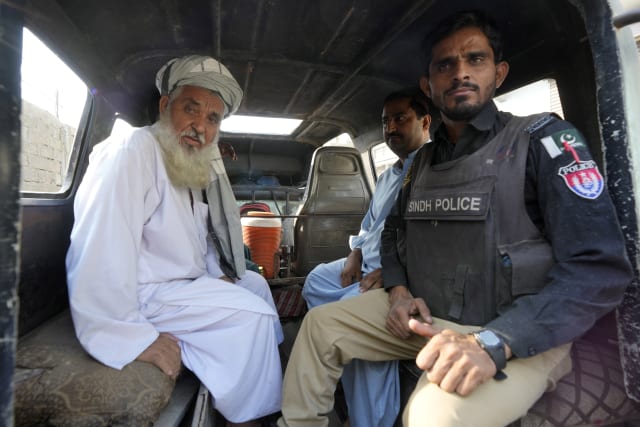
Annually, an estimated 50,000 deportees enter Pakistan through various points, with 150 to 200 arriving daily at Jinnah International Airport alone. Many arrive without prior health verification. Therefore, the new protocol mandates on-the-spot diagnostic testing upon arrival. This structured approach directly links individuals testing positive to essential treatment and counselling programs. Furthermore, the provincial health department has proactively equipped staff with rapid test kits, advanced X-ray facilities, and robust personal protective equipment. Specialized training ensures respectful and efficient screening, maintaining strict confidentiality. Dr. Zafar Mehdi, focal person for communicable diseases at Karachi airport, explicitly affirmed this commitment to individual privacy and dignity.
The Translation: Fortifying Public Health Baselines
This directive signifies a strategic pivot from reactive measures to a proactive public health defense. Previously, the absence of standardized health checks for returning citizens created a potential vector for silent disease transmission. Now, Sindh systematically intercepts potential health risks at the earliest point of entry. This process translates complex medical assessments into actionable health interventions, directly enhancing community safety. Authorities have also coordinated with the Federal Investigation Agency (FIA) and other agencies, ensuring stringent compliance. Additionally, voluntary testing will be encouraged for other travelers, establishing a broader safety net.
The Socio-Economic Impact: Safeguarding Citizen Well-being
For Pakistani citizens, this Sindh deportee health screening directly translates into a more secure public health environment. Reduced disease transmission lowers healthcare burdens on families and the national system. Professionals and students can pursue their endeavors with greater confidence in the overall health infrastructure. Furthermore, early detection and treatment for deportees mean better health outcomes for individuals, preventing conditions from advancing to debilitating stages. This also mitigates the economic strain associated with managing widespread chronic illnesses, enabling resources to be allocated more efficiently towards national development projects across both urban and rural Pakistan.
The “Forward Path”: A Momentum Shift for Health Security
This initiative unequivocally represents a Momentum Shift for Pakistan’s health security paradigm. Implementing comprehensive, mandatory Sindh deportee health screening establishes a critical baseline for infectious disease control. It reflects a strategic understanding that national advancement is intrinsically linked to public health resilience. This move is not merely a maintenance effort; it is a foundational upgrade to our protective systems, ensuring that Pakistan moves forward with greater structural integrity against health threats. Consequently, this calibrated intervention sets a robust precedent for future health policy enhancements.








