

Precision Policy: Sindh Government Stabilizes School Transport Fees
In a strategic move to alleviate financial burdens on families and calibrate educational accessibility, the Sindh government has issued a directive explicitly banning all public and private schools from increasing student school transport fees. This crucial policy, initiated under Chief Minister Murad Ali Shah’s instructions, aims to maintain consistent pick-and-drop charges, thereby fostering greater stability within the provincial education sector. Furthermore, the government has committed to extending vital support and facilities to transport operators, ensuring the sustainability of these essential services while mandating full compliance from all educational institutions.
The Translation: Calibrating Educational Costs
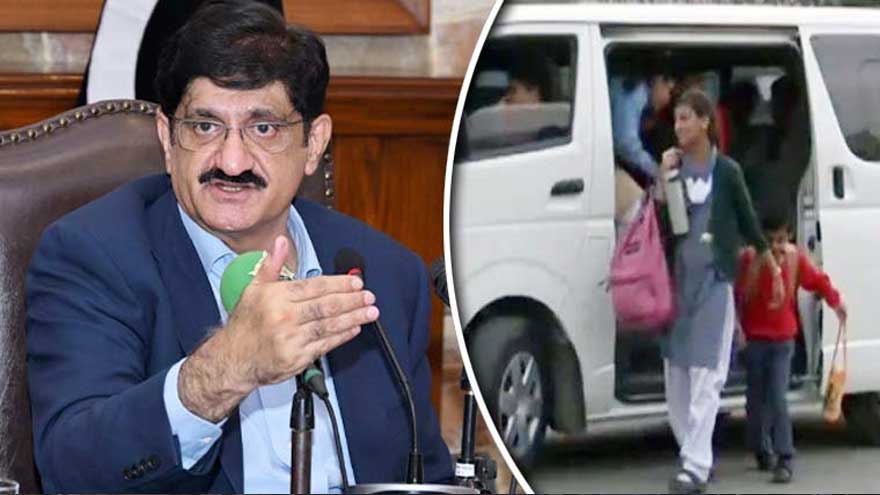
This governmental mandate translates into a direct intervention to stabilize a critical component of educational expenditure for thousands of Pakistani families. Specifically, the Chief Minister’s office has formally prohibited any escalation in student pick-and-drop charges, reinforcing the province’s commitment to predictable educational costs. Consequently, this precise directive requires all educational institutions to maintain existing fee structures for student conveyance. Additionally, schools must provide comprehensive data regarding their student transport services, ensuring transparency and accountability in adherence to this new regulation. Legal action stands as a potential consequence for non-compliant institutions, underscoring the seriousness of this policy.
Socio-Economic Impact: Stabilizing Household Budgets
The immediate socio-economic impact of this directive is profound for Pakistani citizens, particularly students and their families across urban and rural Sindh. For households managing tight budgets, the assurance of fixed school transport fees prevents unexpected financial strain, directly impacting disposable income. This stability allows families to allocate resources more effectively towards other essential needs, such as nutrition and healthcare. Moreover, professionals whose children attend school will benefit from predictable monthly expenses, enabling more reliable financial planning. For transport operators, the government’s commitment to providing support and facilities is designed to offset potential revenue losses from the fee freeze, ensuring the continued viability of their services and safeguarding jobs. In contrast, any increase in these charges could have potentially restricted access to education for vulnerable segments of the population.
The Forward Path: A Stabilization Move for Educational Equity
This development represents a significant “Stabilization Move” rather than a disruptive “Momentum Shift.” It meticulously addresses an immediate economic pressure point, demonstrating a calibrated approach to governance. By capping student conveyance costs, the Sindh government establishes a baseline for educational access, preventing cost escalation from becoming a barrier. This action reinforces the principle of educational equity, ensuring that financial constraints do not disproportionately affect a student’s ability to attend school. Furthermore, the accompanying measures of data collection and support for operators indicate a comprehensive strategy to manage the implications of this ban responsibly. This structured intervention highlights a commitment to maintaining current service levels while protecting parental finances.








