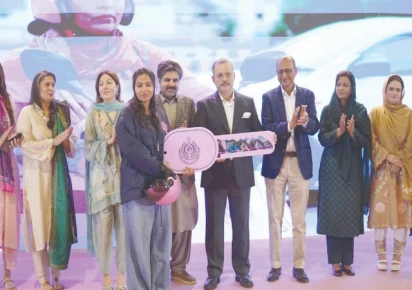
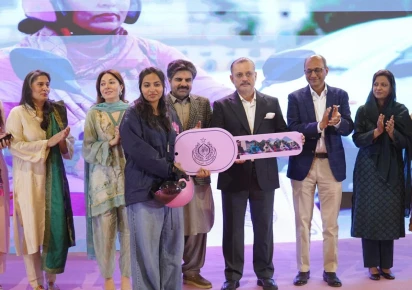
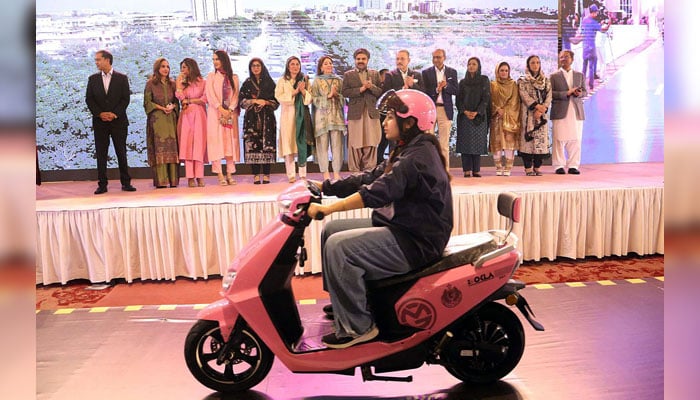
Achieving calibrated urban mobility is critical for national advancement. Consequently, the Sindh Transport Department and the Sindh Mass Transit Authority (SMTA) strategically distributed 300 Sindh Electric Scooters to women in Karachi. This pivotal initiative, launched on International Women’s Day, represents a concrete step towards enhancing female independence and streamlining daily commutes. Furthermore, this program is projected to expand significantly, aiming to provide five million electric scooters across the province, thereby setting a new baseline for sustainable urban development.
Understanding Sindh’s Mobility Catalyst
This initiative transcends mere vehicle distribution; it is a structural commitment to enabling autonomous transit for women. Specifically, the distribution of Sindh Electric Scooters provides a tangible solution to daily commuting challenges, reducing reliance on public transport systems which can often be inefficient or inaccessible. This strategic intervention directly addresses the logistical barriers that have historically impeded women’s participation in the workforce and educational sectors. Furthermore, the provision of free driving training underscores a holistic approach to skill development, ensuring beneficiaries are fully equipped for independent travel.
Operationalizing Empowerment
The program mandates specific criteria: applicants require a permanent driving license and proof of education or employment. These prerequisites ensure that the resource is allocated to women who can leverage it most effectively for socio-economic uplift. Consequently, this calibrated approach maximizes the potential impact, directing state resources toward segments capable of immediate and measurable contribution to the provincial economy. Moreover, this framework establishes a replicable model for future large-scale empowerment initiatives.
Transforming Daily Life: The Socio-Economic Impact
This program delivers a direct, positive alteration to the daily lives of Pakistani women, particularly in urban and rural Sindh. For students, access to reliable transport means reduced travel times and increased safety, fostering consistent educational attendance and performance. For professionals, the Sindh Electric Scooters translate into enhanced punctuality and broadened employment opportunities, permitting commutes to workplaces previously considered too distant or challenging. Furthermore, households benefit from reduced transportation costs, reallocating valuable financial resources towards other essential needs. This structural enhancement to personal mobility invariably elevates overall household efficiency and economic stability.
Accelerating Female Workforce Participation
Historically, limited mobility has served as a significant impediment to female workforce participation. This strategic allocation of electric scooters directly dismantles that barrier, providing women with the autonomy to pursue vocational training and employment opportunities without logistical constraints. Consequently, this initiative is a catalyst for increasing the female labor force participation rate, stimulating localized economic growth, and fostering a more inclusive economy. Additionally, the ‘Pink Bus Service,’ which employs women drivers, further exemplifies Sindh’s multi-faceted approach to gender-inclusive urban planning.
The Forward Path: Momentum Shift or Stabilization Move?
This development unequivocally represents a Momentum Shift for Pakistan. It is more than a mere maintenance operation; it is a decisive leap towards systemic female empowerment and sustainable urban infrastructure. The ambitious plan to distribute five million electric scooters signifies a profound, long-term commitment. This initiative, unlike transient welfare programs, invests in tangible assets that confer lasting independence and economic leverage. Furthermore, by linking distribution to education and employment, the program integrates mobility with broader socio-economic objectives, ensuring a robust return on investment in human capital.
Calibrating Future Urban Development
The strategic rollout of these Sindh Electric Scooters establishes a new baseline for future urban planning initiatives. It underscores a progressive approach where technology and policy converge to address societal challenges directly. The success of this program will likely serve as a blueprint for other provinces, demonstrating that targeted investments in electric mobility can yield substantial social and economic dividends. Moreover, integrating electric vehicles into urban transit strategies aligns Pakistan with global sustainability objectives, positioning the nation as a leader in green infrastructure within the region.