Understanding the Office Security Threat: A Systemic Breakdown
The structural integrity of digital operations within Pakistan is under calibrated assessment. A critical Office security threat has emerged, enabling malicious actors to compromise computer systems simply by opening a weaponized Microsoft Office document. This zero-day vulnerability is not merely theoretical; it is actively exploited, thus posing an immediate risk to government entities, private businesses, and individual digital infrastructure.
The Translation: Deconstructing the Zero-Day Logic
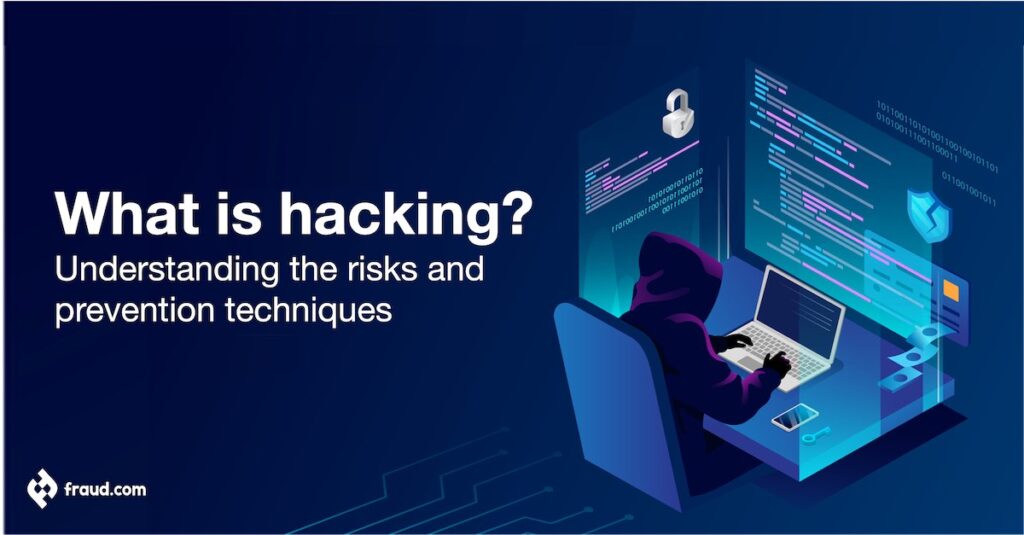
Specifically, the National Computer Emergency Response Team (National CERT) has issued a high-severity advisory regarding CVE-2026-21509. This designation confirms a zero-day vulnerability within Microsoft Office, signifying a critical flaw. Such vulnerabilities are profoundly dangerous because exploitation occurs before comprehensive patches are available, leaving systems exposed. Furthermore, attackers strategically deploy these threats via sophisticated phishing emails and social engineering tactics, often embedding malicious content within seemingly innocuous Office attachments. In many cases, the attack bypasses standard security warnings during document processing, increasing its insidious effectiveness.
The Socio-Economic Impact: Protecting Pakistan’s Digital Citizens
This Office security threat directly impacts the daily digital life of every Pakistani citizen. For students and professionals, the risk means compromised academic work, stolen research, or the loss of critical project data. Households face potential financial fraud from stolen credentials and the compromise of personal identifiable information. In urban centers, businesses could experience operational shutdowns, intellectual property theft, and severe financial losses due to phishing attacks. Rural areas, increasingly connected, also face these risks as digital literacy grows, making robust cybersecurity a baseline necessity for national digital equity.
Upon successful exploitation, the attacker achieves the same privilege level as the logged-in user. This structural breach enables the installation of malware, theft of login credentials, extraction of sensitive data, and persistent access to compromised systems. National CERT’s analysis indicates a heightened risk for personnel in executive, finance, and legal sectors. Their elevated access and frequent digital interaction make them prime targets for these precision attacks, amplifying the potential for widespread organizational disruption.
The Forward Path: A Strategic Response to Digital Vulnerabilities
This development unequivocally represents a Momentum Shift. The active exploitation of a zero-day vulnerability necessitates a rapid and strategic recalibration of national cybersecurity protocols. It is not merely a maintenance task but a critical juncture for advancing Pakistan’s digital resilience. Organizations must transition from reactive defense to proactive threat intelligence and immediate patch deployment. This situation underscores the imperative for continuous education on data breach prevention and the adoption of advanced endpoint security solutions across all sectors.
Calibrated Defense: Implementing Microsoft’s Emergency Updates
Microsoft has officially acknowledged this severe issue and confirmed its active exploitation. In response, the corporation has deployed emergency security updates, complemented by temporary mitigation protocols to curtail risk exposure. Consequently, National CERT has issued a directive urging organizations to implement these critical Microsoft patches without delay and to restart all Office applications. This ensures that the installed protections are fully activated. Furthermore, proactive system monitoring is advised, specifically looking for anomalous activities like Office applications initiating unauthorized command-line or PowerShell processes. In scenarios where immediate patching is not feasible, National CERT recommends bolstering email security controls, applying temporary mitigations, and strengthening endpoint monitoring to prevent large-scale cyber-attacks.
- Immediate Patching: Apply all Microsoft emergency security updates and restart Office applications.
- System Monitoring: Monitor for unexpected command-line or PowerShell processes launched by Office applications.
- Enhanced Email Security: Improve controls to detect and block phishing attempts.
- Endpoint Protection: Strengthen endpoint monitoring and defense mechanisms.