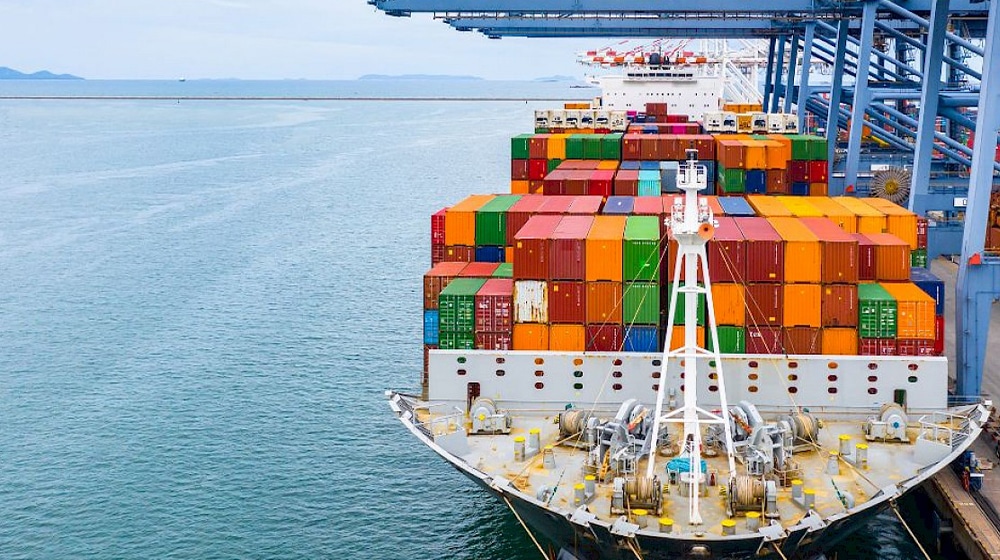
Pakistan has initiated a structural reform in its maritime logistics, strategically moving to end hidden shipping fees and optimize trade transparency. A specialized subcommittee, acting under the Prime Minister’s directive, has mandated shipping lines to disclose all charges upfront, effectively mitigating undue surcharges and operational hurdles impacting national exporters. This calibrated intervention directly addresses concerns from the trade community, aiming to establish a predictable and efficient supply chain baseline for Pakistan’s economic advancement.
The Translation: Calibrating Maritime Trade for Predictability
Previously, exporters frequently encountered opaque and excessive charges from shipping lines, specifically non-transparent fees and unexpected alternate port discharges. These issues created significant financial losses and operational delays. The Ministry of Maritime Affairs’ subcommittee has now clarified that all applicable charges, including war risk surcharges, must be communicated to exporters prior to booking. This directive ensures a transparent framework, explicitly stating that war risk surcharges apply solely to routes traversing the Gulf, Middle East, and Red Sea regions, providing critical clarity to end hidden shipping fees and improve Pakistan trade logistics.
Eliminating Opportunistic Pricing & Unapproved Discharges
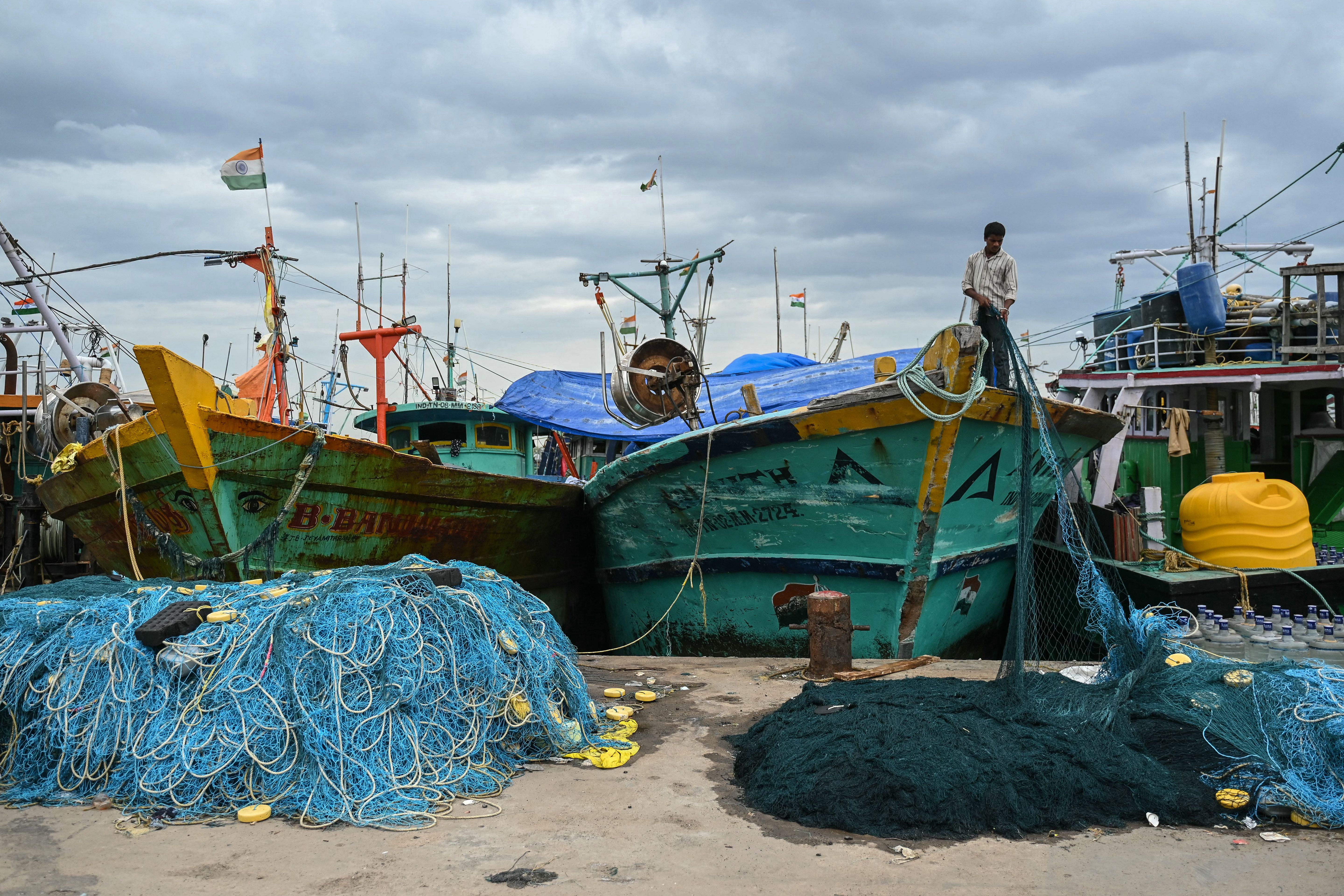
The committee’s directives are precise. Shipping lines must avoid opportunistic pricing related to war risk surcharges, ensuring fairness. Furthermore, they cannot discharge cargo at alternate ports without explicit threats or emergencies, preventing unexpected diversions. Crucially, consignments already in transit before March 3, 2026, are exempt from new war risk surcharges, safeguarding existing trade agreements. These measures reinforce a disciplined approach to global supply chain engagement, directly impacting the reduction of port operational hurdles.

The Socio-Economic Impact: Stabilizing Costs for Pakistani Households and Businesses
How does this change the daily life of a Pakistani citizen? This strategic move directly impacts the cost of goods. By ensuring transparent shipping charges, the reform reduces unforeseen expenses for importers and exporters. Ultimately, this stabilization of trade costs can translate into more predictable pricing for consumers, alleviating inflationary pressures on everyday commodities. For small and medium enterprises (SMEs), predictable logistics mean better financial planning and reduced risk, fostering economic growth and job creation across urban and rural Pakistan. It allows professionals to manage supply chains with greater precision, enhancing overall system efficiency.
Addressing Bills of Lading Disputes and Regulatory Oversight
The issue of Bills of Lading being withheld due to third-party disputes posed significant challenges, leading to financial losses and extensive delays for exporters. The authorities have now advised traders to report any unjustified charges or document withholdings, establishing a direct channel for recourse. Consequently, the Federal Board of Revenue’s Customs Operations leadership emphasizes collective stakeholder action—government agencies, shipping lines, and trade bodies—to ensure fairness and smooth trade facilitation, particularly amidst the volatile Middle East conflict. This collaborative approach is a catalyst for reinforcing a robust and accountable trade ecosystem.
The “Forward Path”: A Momentum Shift for Pakistan’s Trade Resilience
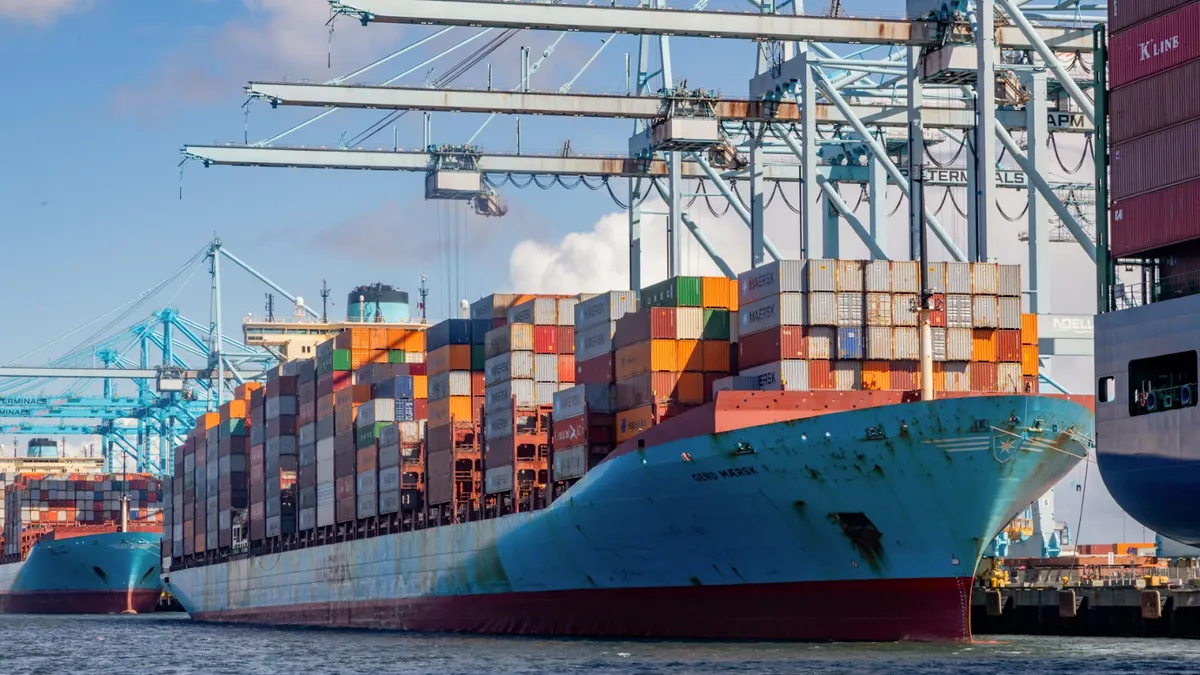
This development represents a Momentum Shift. The precise directives to end hidden shipping fees and enhance transparency are not merely corrective actions; they are foundational structural adjustments. They signify Pakistan’s proactive stance in streamlining its maritime trade infrastructure to compete more effectively on the global stage. By mitigating arbitrary costs and operational inconsistencies, Pakistan is building greater resilience into its export capabilities, ensuring a more stable and efficient economic trajectory for future growth and international engagement. This systematic calibration will foster a more competitive and equitable trade environment for all stakeholders.