
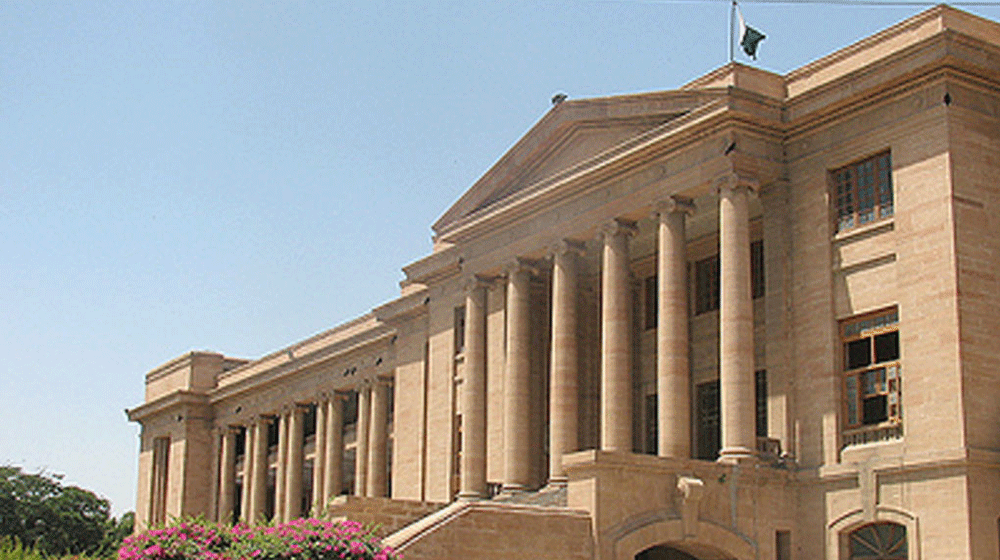
Strategic Intervention: Sindh High Court Secures Teacher Financial Stability
In a structural advancement for Pakistan’s education sector, the Sindh High Court has decisively ordered an immediate cessation of salary and pension deductions from teachers across Sindh province. This critical intervention directly addresses the unlawful recovery of financial benefits impacting both active and retired educators, ensuring their calibrated financial security. The ruling represents a significant stabilization move, safeguarding the livelihood of the education workforce in Sindh by halting controversial administrative directives and underscoring the legal protection against arbitrary financial adjustments, particularly concerning Sindh Teacher Deductions.
The Translation: Deconstructing the Court’s Directive
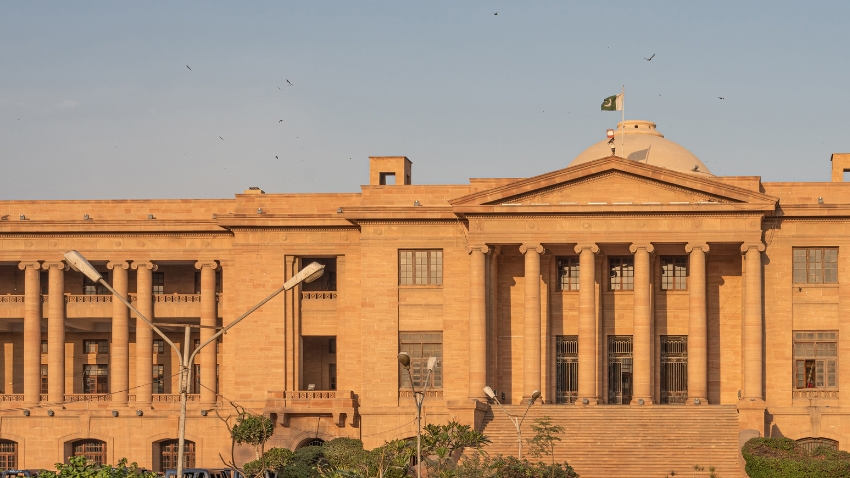
A constitutional bench of the Sindh High Court has explicitly restrained the Treasury Department and other relevant authorities from implementing further salary or pension deductions. This directive stems from a petition challenging two key administrative actions: the suspension of a time-scale policy that previously granted promotions and upgrades, and the subsequent recovery of what the Finance Department deemed “additional financial benefits” from teachers. Essentially, the court has paused an ongoing administrative process that was actively reducing teachers’ take-home pay and retirement funds, providing immediate relief and judicial oversight against these Sindh Teacher Deductions.
Advocate Asadullah Baloch, representing the petitioners, presented a robust case on behalf of numerous educators. These applicants comprise both retired and actively serving teachers within the Sindh Education Department, including regular teachers, physical training instructors, and workshop instructors. Consequently, the court’s order protects a broad spectrum of the teaching community from financial instability.
The core of the dispute revolves around the Sindh government’s time-scale policy. Under this policy, teachers received promotions and upgrades based on departmental rules, leading to salaries being paid in grades 15 to 20. However, a letter from the Finance Department Sindh on January 21, followed by an implementation directive from the School Education Department Sindh, initiated the contested salary deductions and benefit recoveries. Furthermore, the petitioners asserted that these deductions were unequivocally unlawful, especially for retired teachers who rely on their pensions for sustenance.
The Socio-Economic Impact: Calibrating Livelihoods in Urban and Rural Sindh
This judicial intervention has a profound and immediate socio-economic impact on Pakistani citizens, particularly teachers and their households across urban and rural Sindh. For actively serving professionals, the cessation of deductions means stable monthly income, which directly supports family expenses, children’s education, and daily sustenance. In contrast, for retired teachers, the protection of their pensions ensures financial dignity and security in their elder years, preventing unforeseen economic hardship. This ruling provides a baseline of stability for thousands of families, allowing them to plan their budgets with greater confidence.

Such measures are critical for maintaining morale within the education sector. When educators perceive their financial rights are protected, it fosters a more dedicated and productive teaching environment. Conversely, arbitrary deductions can lead to widespread demotivation, potentially compromising the quality of education provided to students. Therefore, the court’s order is not merely a legal victory; it is a strategic investment in the human capital development of Sindh.
The Forward Path: A Stabilization Move Against Sindh Teacher Deductions
This development represents a Stabilization Move rather than an immediate momentum shift. While it rectifies an immediate financial grievance, the underlying policy disputes require further legislative and administrative clarity. The court’s directive for no involuntary deductions until further orders, coupled with issuing notices to relevant departments and adjourning the hearing, signals a judicial intent to thoroughly examine the legality of the time-scale policy suspension and subsequent recoveries. This approach prevents immediate damage and sets the stage for a more robust, long-term resolution regarding Sindh Teacher Deductions and financial entitlements.
The outcome of the subsequent hearings will be crucial in establishing definitive guidelines for teacher benefits and preventing similar situations in the future. It underscores the necessity for transparent and equitable financial policies within the education sector, ensuring that administrative actions are consistently aligned with legal frameworks and the welfare of educators. Ultimately, this judicial intervention provides a temporary but essential shield for teachers, allowing for a structured review of past financial decisions.








