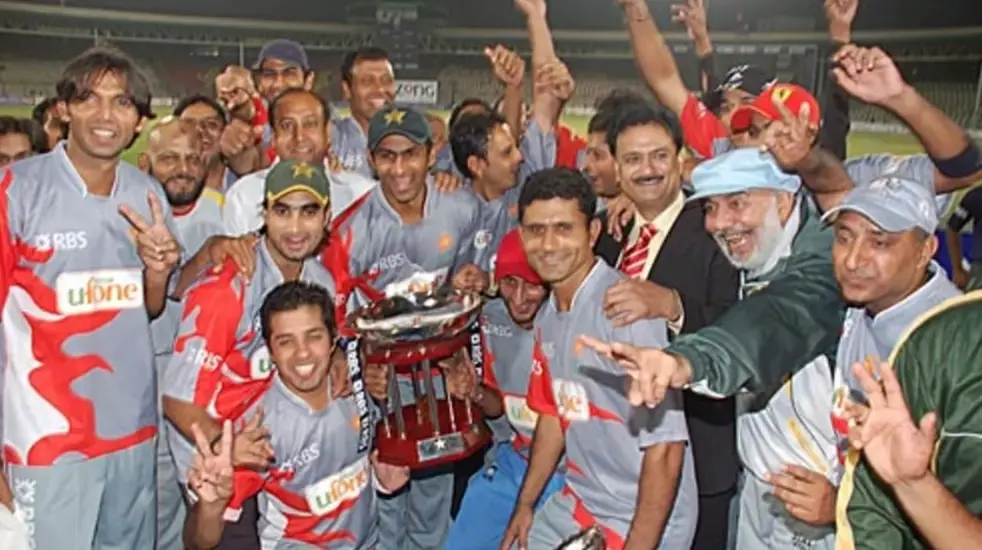
A strategic re-evaluation of Pakistan’s cricket infrastructure is critical as legend Shahid Afridi incisively critiques the current PCB Team Selection methodology. He challenges the prevailing “surgery” approach, arguing it overlooks high-performing domestic talent in favor of inexperienced players with limited first-class exposure. This analysis suggests a fundamental misalignment between grassroots performance and national squad integration, demanding a more calibrated pathway for athlete development.
The Translation: Deconstructing the “Surgery” Narrative in National Cricket Selection
When the Pakistan Cricket Board (PCB) refers to “surgery,” it typically implies drastic, large-scale changes to the national team lineup. However, Afridi highlights that this often translates into the rapid introduction of a few young players. Crucially, many of these athletes possess limited first-class experience, sometimes as few as eight to ten matches. This approach diverges from a meritocratic system, which would prioritize consistent domestic performance as the primary indicator for national team inclusion. The PCB’s current selection process requires clear redefinition.
Furthermore, Afridi notes a critical paradox. While the intent might be to rebuild, the actual outcome frequently sidelines proven domestic performers. Consequently, players who demonstrate consistent excellence at a foundational level are often overlooked. This structural issue demands a precise re-calibration to ensure talent is systematically nurtured and integrated into the national setup.
The Socio-Economic Impact: Calibrating Pathways for Aspiring Pakistani Athletes
This PCB Team Selection strategy directly impacts the daily lives of aspiring Pakistani cricketers and their families. When a clear, merit-based pathway to national representation is obscured, it can significantly demotivate young talent. Students and professionals dedicating their lives to cricket may perceive their efforts in domestic leagues as undervalued. In urban centers and rural areas alike, the dream of representing Pakistan offers a potent socio-economic uplift. A transparent, performance-driven selection system reinforces the value of hard work, offering a tangible return on investment for years of dedication.
Conversely, an opaque selection process can foster uncertainty, impacting career decisions and financial stability for players. This creates a systemic disincentive for rigorous domestic training. Therefore, optimizing these selection criteria is not merely a cricketing matter; it is a vital component of national youth development and economic opportunity.
The “Forward Path”: A Call for a Momentum Shift in PCB Team Selection
Shahid Afridi’s critique represents a critical call for a Momentum Shift within Pakistan’s cricket administration regarding its PCB Team Selection policies. He points to domestic stalwarts such as Shahzaib Khan, Imam-ul-Haq, Shamyl Hussain, Taimoor Khan, and Maaz Sadaqat, all of whom consistently deliver strong performances. Shahzaib, for instance, leads current run charts with an impressive average, yet his national selection remains uncertain. This disparity underscores a systemic inefficiency.

Moreover, the disappearance of previously groomed prospects, including Abdullah Shafique, Kamran Ghulam, Saud Shakeel, Hassan Nawaz, and others, signals a potential failure in long-term player development. A true momentum shift necessitates a robust talent pipeline where domestic performance is the baseline for elevation, not an optional consideration. The PCB must structurally integrate this feedback to ensure consistent growth and a stable national team through precise selection parameters.
Key Considerations for a Robust Player Pipeline:
- Data-Driven Metrics: Implement objective, performance-based metrics for player inclusion.
- Consistent Pathways: Establish clear, published criteria for progression from domestic to national teams.
- Mentorship Programs: Integrate experienced players and coaches into development programs for emerging talent.
- Feedback Loops: Create transparent mechanisms for player feedback and performance reviews.