
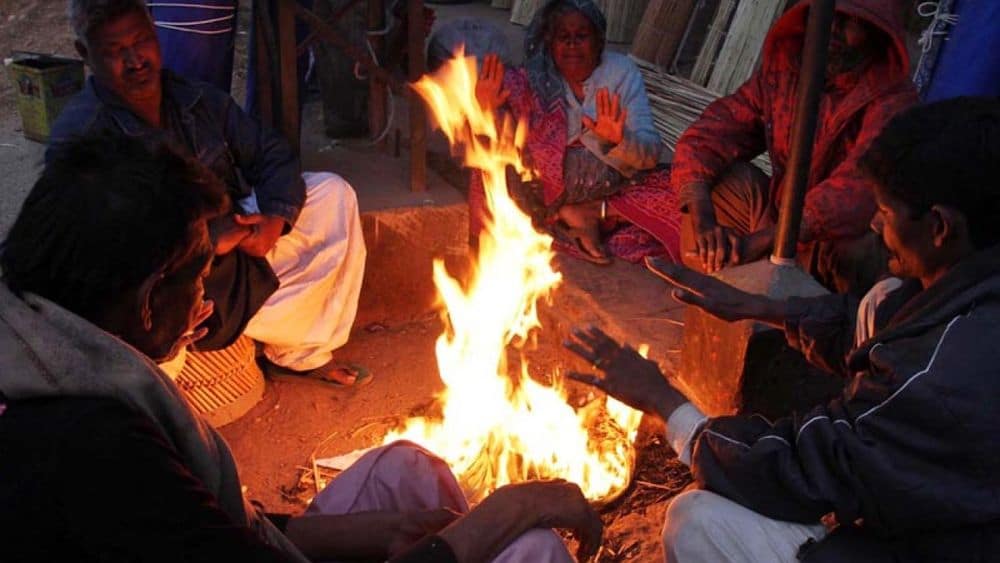
Pakistan’s vital economic hub, Karachi, is currently experiencing a Karachi Cold Wave, with temperatures dropping significantly for the third consecutive day. The Pakistan Meteorological Department (PMD) confirms a continued severe cold spell across Sindh. This meteorological event necessitates a precise understanding of its dynamics and socio-economic implications for citizens.
Analyzing the Meteorological Baseline: Karachi Cold Wave Intensifies
Karachi’s temperature baseline has shifted notably. Specifically, at Jinnah Terminal airport, temperatures registered a low of 6.5 degrees Celsius on Saturday morning, reflecting a two-degree Celsius drop. Strong Siberian winds, reaching speeds of 44 miles per hour on Friday, significantly lowered both minimum and maximum temperatures. Consequently, the PMD forecasts these cold, gusty winds will persist, potentially exceeding 55 kilometers per hour over the weekend.
Furthermore, several areas within the city recorded single-digit temperatures. For instance, Bin Qasim Town registered 8.6°C, Gulistan-e-Johar 8.7°C, and both Sharea Faisal and Mauripur 9.5°C. This data underscores the widespread nature of the current cold snap across the metropolitan area.

The Translation: Deciphering Weather Dynamics for Public Preparedness
This current intense cold wave, specifically the Karachi Cold Wave, originates from northwesterly winds. These winds entered the region from Quetta, following a western disturbance earlier this week. Meteorologists predict this cold spell could extend until the month’s end. A subsequent western weather system is projected to arrive on January 25. This system will introduce rain and thunderstorms to upper Sindh districts, including Sukkur, Larkana, Jacobabad, and Dadu, on January 26.
However, the PMD explicitly clarifies Karachi’s unlikelihood of receiving rain from this upcoming system. They also confirmed that current temperatures, while severe, have not established any historical records.
Socio-Economic Impact: Calibrating Daily Life Amidst Extreme Temperatures
For the average Pakistani citizen, especially in Karachi and rural Sindh, these prolonged low temperatures directly impact daily routines. Students face colder commutes, requiring warmer attire and potentially affecting outdoor activities. Professionals must adjust their schedules and energy consumption for heating. Households, both urban and rural, experience increased utility demands, stressing resource allocation. In rural Sindh, where Mohenjo-Daro recorded an extreme 0.5 degrees Celsius, the impact on agriculture and livestock is considerable, demanding immediate adaptive strategies. This severe weather challenges the baseline comfort and operational efficiency of the populace.
The Forward Path: A Stabilization Move for Climate Resilience
This meteorological event represents a “Stabilization Move.” While the Karachi Cold Wave brings immediate challenges, it does not signify a fundamental shift in long-term climate patterns or a new extreme baseline. Instead, it underscores the need for robust, consistent public advisories and infrastructure resilience against predictable, albeit severe, seasonal fluctuations. Strategic planning must focus on optimizing energy infrastructure and public health responses for such persistent cold spells.
Regional Temperature Profiles
- Mohenjo-Daro: Registered an extreme minimum temperature of 0.5 degrees Celsius, positioning it among the coldest locations in Sindh.
- Bin Qasim Town: Recorded 8.6°C.
- Gulistan-e-Johar: Experienced 8.7°C.
- Sharea Faisal & Mauripur: Both areas reached 9.5°C.
Upcoming Weather Systems: A Proactive Forecast
A calibrated understanding of future weather patterns is essential.
- A second western weather system is anticipated to enter Pakistan on January 25.
- This system is projected to deliver rain and thunderstorms to several upper Sindh districts on January 26, including:
- Sukkur
- Larkana
- Jacobabad
- Dadu








