

Understanding the Pakistan Cold Wave Alert: A Structural Overview
A critical Pakistan Cold Wave Alert has been activated nationwide by the National Emergency Operations Center (NEOC), valid until January 29. This strategic advisory warns of heavy snowfall, extreme cold, and heightened avalanche risks, particularly across Pakistan’s northern and upper regions. Consequently, citizens must calibrate their readiness, as the Pakistan Meteorological Department forecasts a continued severe cold wave, impacting daily life and critical infrastructure.
The Translation: Decoding Pakistan’s Winter Weather Dynamics
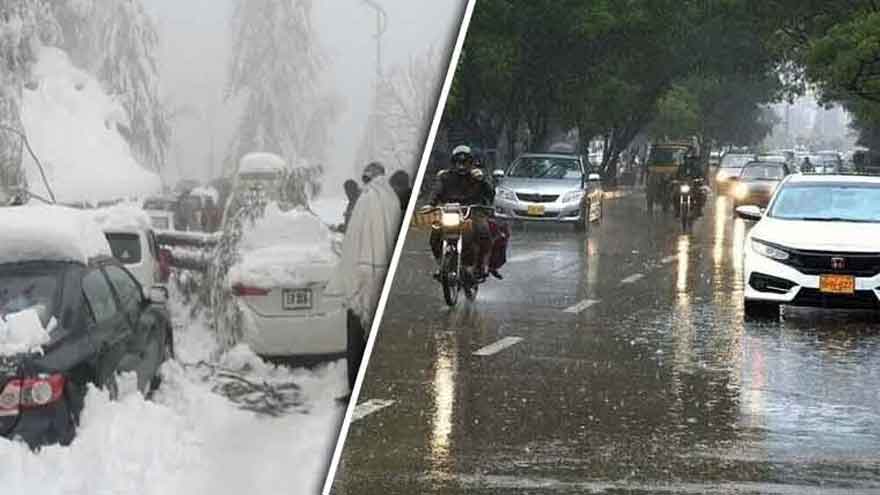
The NEOC’s advisory, supported by the Pakistan Meteorological Department, provides a precise baseline for current and impending weather conditions. Western weather systems are demonstrably influencing upper and northern territories. Furthermore, Gilgit-Baltistan, Azad Kashmir, and northern Khyber Pakhtunkhwa are projected to experience substantial snowfall over the next 24 to 48 hours. In contrast, dry, cold winds are expected across Punjab and coastal Sindh, necessitating varied regional preparedness protocols.
The Socio-Economic Impact: Calibrating Daily Life Under Cold Wave Conditions
The severe cold wave demonstrably impacts the daily life of Pakistani citizens, from urban centers to remote villages. In lower Chitral, a tragic avalanche claimed nine lives, underscoring the extreme hazards. Simultaneously, heavy snowfall and landslides have critically disrupted essential services. Specifically, upper Azad Kashmir faces damaged homes, power outages, and blocked roads, directly affecting households and local commerce.

Disruptions to Connectivity and Vital Services
The operational efficiency of key regions is significantly compromised. Roads in Khyber Pakhtunkhwa’s Kaghan Valley, Upper Dir, and Kumrat are closed, restricting tourist access and isolating communities. Moreover, the Karakoram Highway remains blocked at multiple points due to snow and landslides, stranding hundreds of travelers and severing road access to areas like Astore. In northern Balochistan, extreme cold has frozen water pipelines, creating substantial hardship and challenging public health infrastructure.
- Road Closures: Kaghan Valley, Upper Dir, Kumrat, Lowari Tunnel, Shangla Top, Karakoram Highway.
- Infrastructure Damage: Homes damaged, power supplies disrupted in Azad Kashmir.
- Humanitarian Concerns: Water pipeline freezing in northern Balochistan, tragic avalanche in Lower Chitral.

The “Forward Path”: A Strategic Stabilization Move
This widespread Pakistan Cold Wave Alert represents a critical “Stabilization Move” rather than a “Momentum Shift.” The immediate focus remains on managing existing hazards and mitigating further impact. The National Disaster Management Authority (NDMA) and Provincial Disaster Management Authorities (PDMAs) have strategically instructed all relevant departments and rescue teams to maintain high alert. This proactive stance is crucial for immediate response and emphasizes a robust, disciplined approach to national disaster resilience.
Optimizing Emergency Response and Public Adherence
Authorities explicitly urge the public to adhere to official weather advisories and to utilize the NDMA Disaster Alert mobile app for real-time guidance. This calibrated communication strategy aims to minimize risks and optimize public safety during these challenging conditions. Moving forward, structural improvements in remote area connectivity and robust winterization strategies will be paramount to enhance system efficiency and protect vulnerable populations against future climatic events.









