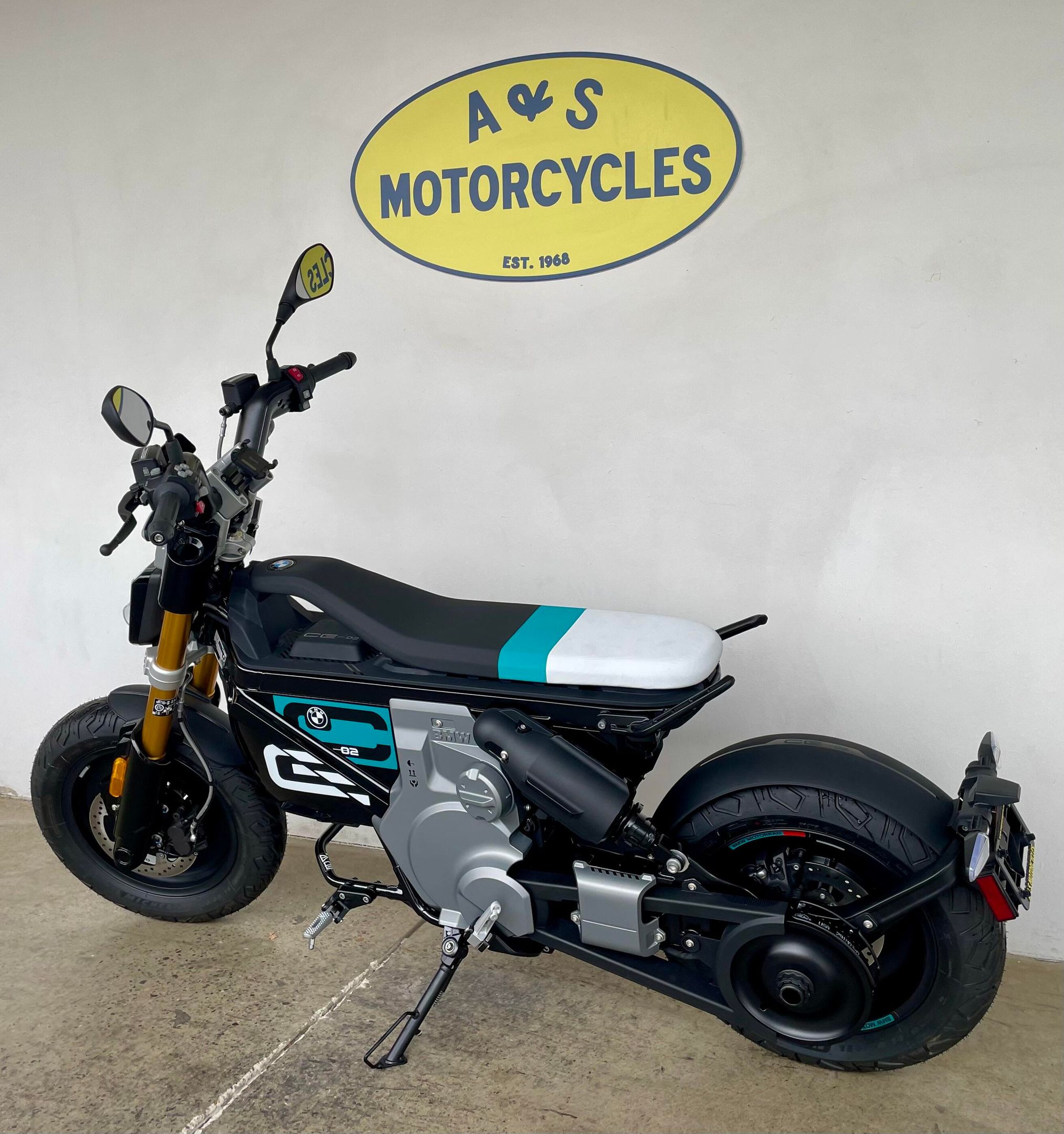
A pivotal parliamentary session recently convened, focusing on the strategic implementation of the M-Tag system for motorcycles and its inherent security implications. Lawmakers rigorously scrutinized the district administration’s policy, voicing significant concerns that these digital tags could inadvertently create vulnerabilities. Specifically, Senator Talha Mahmood articulated a critical warning: stolen M-Tags might present an “open route for attacks,” given Pakistan’s unique security environment. This immediate debate underscores the imperative to balance technological advancement with robust national security protocols, particularly concerning M-Tag security for motorcycles.
The Translation: Deconstructing Motorcycle M-Tag Security Vulnerabilities
The M-Tag system, designed for automated toll collection and vehicle identification, represents a modern approach to traffic management. However, its integration into the motorcycle sector in Pakistan introduces complex security dynamics. Senator Talha Mahmood’s assertion highlights a critical potential loophole: if an M-Tag is compromised, it could facilitate unauthorized access through checkpoints. Furthermore, this structural flaw could inadvertently provide individuals with malicious intent an unverified pathway into sensitive zones. Consequently, the discussion is not merely about traffic efficiency but about the baseline integrity of our national security infrastructure.

Deputy Commissioner Irfan Memon cited global precedents for similar motorcycle systems, yet Senator Mahmood maintained that Pakistan’s distinct security landscape necessitates a different risk assessment. Senator Kamran Murtaza reinforced these concerns, stressing the escalated risks if a high volume of M-Tags were to be stolen. He elaborated that such an event could enable an attacker to navigate security layers undetected, reaching critical locations with precision.
Socio-Economic Impact: Daily Life and Digital Security
The M-Tag system’s expansion impacts Pakistani citizens directly, particularly those relying on motorcycles for daily commutes, deliveries, and economic activities. For urban professionals and students, M-Tags promise smoother transit, reducing congestion at toll plazas. Nevertheless, the parliamentary discourse unveils a hidden cost: potential security compromises could erode public trust and heighten anxiety. The proposed system, while aimed at efficiency, inadvertently places a greater burden on individual riders to safeguard their M-Tags, adding a new dimension to personal digital security in their daily lives.
Furthermore, the Deputy Commissioner’s acknowledgment of the attacker using a motorcycle during the Islamabad Judicial Complex incident underscores the tangible security risks. Citizens in both urban and rural settings expect secure passage; therefore, any system perceived as a vulnerability necessitates thorough re-evaluation. Senator Saadia Abbasi’s recommendation for a logical study before further implementation is a calibrated approach to ensure public safety is paramount.

The Forward Path: A Stabilization Move Requiring M-Tag System Refinement
This development represents a Stabilization Move rather than a decisive Momentum Shift. While the intent to streamline traffic via M-Tags is commendable, the identified security gaps indicate a need for structural refinement. Officials reported no complaints of stolen M-Tags and highlighted a helpline (1313) for reporting theft, along with an improved installation capacity, now reaching approximately 7,000 motorcycles daily from an initial 1,000. This indicates operational progress.

However, the Deputy Commissioner’s admission of potential “loopholes” despite emphasizing necessity signifies that the system is not yet optimally robust. A strategic re-evaluation, as suggested by Senator Abbasi, is crucial. This will ensure that technological integration for national advancement is not just rapid but also secure and meticulously planned. The focus must shift from mere implementation speed to the calibrated resilience of the system against evolving threats. Pakistan’s digital frontier demands this precision.