

Optimizing Mobility: Addressing the KP Transport Crisis
The KP Transport Crisis, triggered by the acute closure of compressed natural gas (CNG) stations, has initiated a systemic disruption for students, parents, and daily commuters across Peshawar and Khyber Pakhtunkhwa. This critical energy supply interruption has directly resulted in the suspension of numerous school transport services. Furthermore, public transporters, compelled to transition to petrol, have enacted significant fare increases, thereby escalating the financial burden on citizens. This situation underscores the urgent need for a calibrated strategy to ensure essential public services remain uninterrupted.
The Translation: Unpacking the Energy Supply Chain Interruption
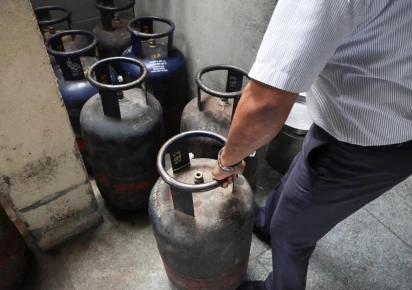
The provincial capital and several districts experienced a second consecutive day of CNG station closures this Sunday. This action directly correlates with a pronounced natural gas shortage within the region. Moreover, unannounced natural gas load-shedding has further exacerbated conditions for both domestic and commercial consumers, creating a cascading effect across daily life. The core issue stems from insufficient gas supply to meet regional demand, leading to these critical distribution shutdowns.
The Socio-Economic Impact: Daily Life and Educational Continuity
The immediate consequence of this transport disruption is a direct impact on the mobility of Pakistani citizens. For students, the suspension of school vans and buses jeopardizes educational continuity and daily routines, creating logistical challenges for families. Consequently, parents now face increased financial strain due to elevated public transport fares or the necessity of alternative, often more costly, arrangements. Professionals commuting daily also experience significant delays and higher expenditures, directly affecting household budgets in both urban and rural settings. This instability disrupts the socio-economic fabric of the province.
The “Forward Path”: A Call for Strategic Energy Resilience
This development represents a Stabilization Move, rather than a Momentum Shift. While addressing an immediate shortage, it highlights systemic vulnerabilities in the province’s energy infrastructure. A robust, long-term solution requires a strategic reassessment of gas distribution, the exploration of diversified energy sources, and the implementation of predictive models to avert future crises. Pakistan requires precision in resource allocation and a proactive framework to safeguard essential services. This necessitates immediate action from authorities to restore an uninterrupted supply of CNG and natural gas across the province, ensuring stability for both transport and domestic consumption.
Operational Challenges in Public and School Transport
The shutdown of CNG stations has compelled a significant portion of the transport sector to either cease operations or pivot to more expensive petrol. This shift has catalyzed a fresh wave of transport fare increases. Specifically, school transporters are severely impacted. Owners of Suzuki vans and buses assert that operating vehicles on petrol is financially unsustainable. Therefore, they often lack viable options beyond parking their fleets, directly affecting student access to education.
Public transport operators also encounter substantial operational challenges. Drivers who have transitioned to petrol have already increased fares, issuing warnings that prolonged CNG station closures could necessitate a complete suspension of services. This outcome would effectively bring public movement in the city to a virtual standstill, paralyzing economic activity and daily essential travel.
Citizen Demands for Systemic Resolution
The ongoing gas shortage precisely highlights the fragile energy situation prevalent in the province. Thousands of residents are concurrently contending with severe transportation problems and pervasive household gas shortages. In response, citizens have emphatically urged authorities to resolve this crisis with immediate effect. They demand the assurance of an uninterrupted supply of CNG and natural gas across the entire province, underscoring the critical need for a stable and predictable energy framework.








