Pakistan’s digital frontier necessitates strategic reinforcement, particularly in personal data protection. The recent WhatsApp account security breach affecting an Assistant Commissioner in Azad Kashmir highlights critical vulnerabilities within our digital communication infrastructure. This incident serves as a stark reminder of sophisticated online scams, which demand an immediate recalibration of citizen-level cybersecurity protocols. Consequently, understanding these threats and implementing robust defenses becomes paramount for national digital resilience.
Precision Protocols: Understanding the Digital Hijack Mechanism for Enhanced WhatsApp Account Security
Scammers recently targeted Assistant Commissioner Waleed Anwar by impersonating a courier service via a deceptive phone call. This calibrated attack tricked the official into revealing a critical verification code. Once shared, the fraudsters gained complete access to his WhatsApp account, subsequently initiating requests for money from his contact list. Waleed Anwar swiftly confirmed the compromise on his official platforms, issuing a public warning against any financial solicitations from his number. This method, unfortunately, represents a common vector for digital fraud in the region, underscoring the constant need for vigilance regarding WhatsApp account security.
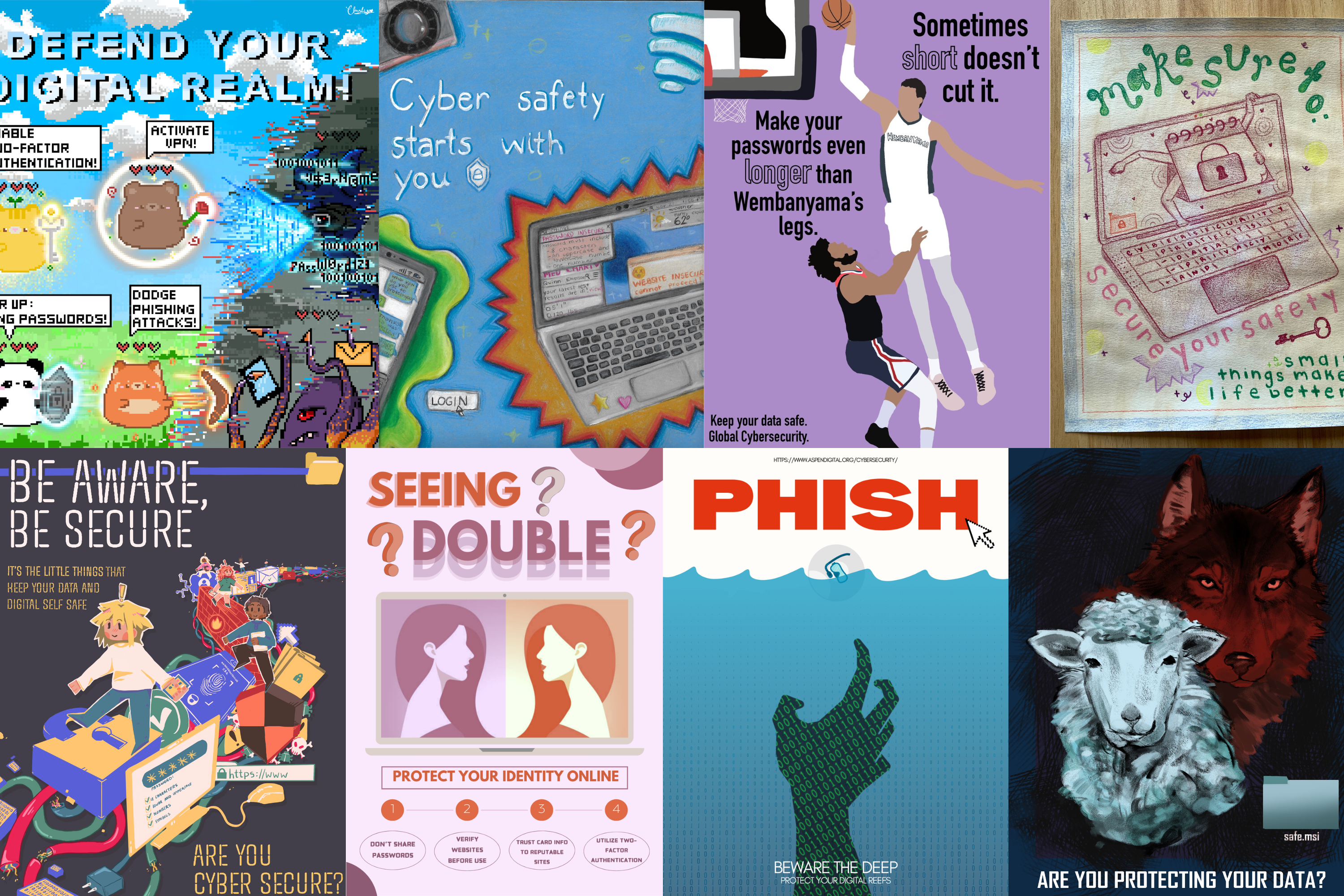
Furthermore, these malicious actors frequently exploit trust by posing as legitimate courier staff, often citing parcel deliveries. Their primary objective involves tricking individuals into divulging a one-time password (OTP) or a verification code sent to their mobile device. Upon receipt of this sensitive information, hackers rapidly gain unauthorized control over the victim’s WhatsApp. They then leverage this access to solicit funds, disseminate malware, or perpetrate further fraudulent activities across the victim’s network. This structural vulnerability underscores the urgent need for enhanced digital literacy and robust personal security practices.
Calibrating Resilience: Socio-Economic Impacts on Pakistani Citizens and Digital Safety
The implications of such digital breaches extend far beyond individual financial loss; they impact the socio-economic fabric of Pakistan. For students, compromised accounts can disrupt online learning, expose personal data, and undermine trust in digital education platforms. Professionals face potential reputational damage, client data breaches, and severe disruptions to business communications. Moreover, financial institutions experience increased fraud reports, straining resources and eroding public confidence in digital transactions.
In rural Pakistan, where digital literacy might be nascent, citizens are often more susceptible to these sophisticated scams. Consequently, the elderly and those less familiar with online safety protocols become primary targets, risking their hard-earned savings. This digital fragility necessitates targeted public awareness campaigns to strengthen overall WhatsApp account security for vulnerable populations. A robust defense against cyber threats directly contributes to economic stability and the preservation of household assets across both urban and rural landscapes.
The Forward Path: A Momentum Shift in Digital Defense
This incident represents a definitive Momentum Shift in Pakistan’s approach to cybersecurity, rather than a mere stabilization move. It serves as a potent catalyst for implementing stronger digital defense mechanisms at both individual and systemic levels. The public and private sectors must collaborate to educate citizens on baseline digital safety practices. Specifically, never sharing OTPs or verification codes is a fundamental principle. Furthermore, citizens should always verify requests through official channels and enable two-step verification on all messaging platforms to ensure stringent WhatsApp account security.

Ultimately, a collective, strategic effort is required to fortify our digital infrastructure. This involves developing robust reporting mechanisms for cybercrime and fostering an environment where digital security is a shared responsibility. Through precision and proactive measures, Pakistan can advance its digital defense capabilities, ensuring a more secure and resilient future for all its citizens.