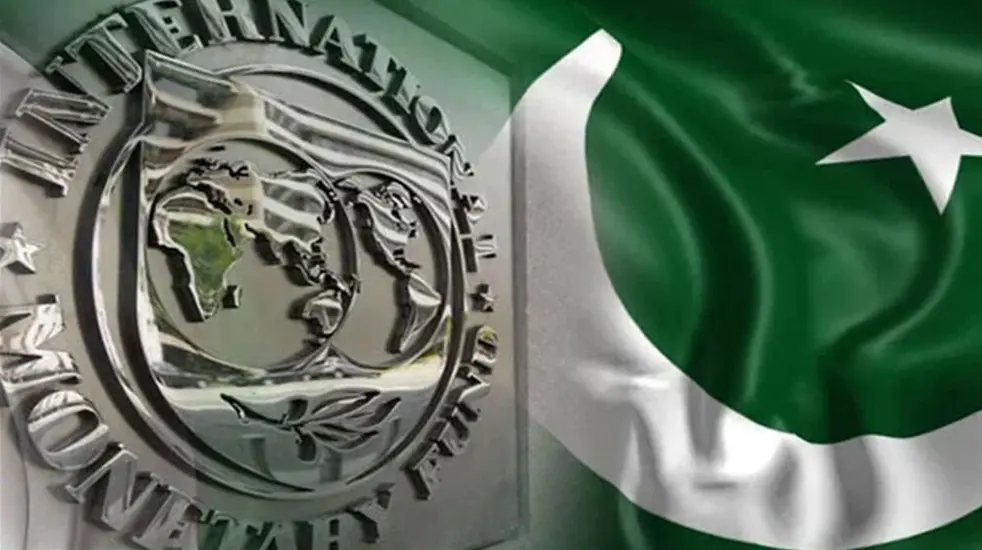
The State Bank of Pakistan (SBP) faces a critical juncture, poised to implement a significant SBP rate hike by 150-300 basis points on April 27th, elevating the benchmark interest rate to 12-14 percent. This decisive action directly addresses escalating inflationary pressures, exacerbated by regional geopolitical instability. However, a timely arrival of the International Monetary Fund’s (IMF) $1.2 billion deposit before April 20th could potentially recalibrate this imminent monetary tightening, reflecting a strategic response to safeguard Pakistan’s economic stability.
The Translation: Deconstructing Pakistan’s Monetary Strategy
Credible sources indicate the State Bank of Pakistan (SBP) is preparing for a sharp interest rate increase, ranging from 150 to 300 basis points. Consequently, the benchmark rate could reach 12-14 percent. This proactive measure aims to counteract inflationary pressures, which are significantly influenced by global geopolitical events. The Monetary Policy Committee (MPC) meeting scheduled for April 27th is therefore paramount, as its decisions will structurally impact the nation’s economic trajectory.
Furthermore, internal communiqués confirm that Pakistan’s federal government and the SBP have explicitly informed the International Monetary Fund (IMF) of their readiness to tighten monetary policy. This commitment is contingent upon any further intensification of inflation, demonstrating a calibrated approach to economic governance. A former NUST Islamabad Professor highlighted that petrol and inflation rates have already manifested contractual effects due to the regional situation. He also emphasized that the latest IMF loan, if disbursed before April 20th, could mitigate this pressure by bolstering foreign exchange reserves ahead of the MPC meeting.
Socio-Economic Impact: Calibrating Daily Life for Pakistani Citizens
A projected SBP rate hike directly translates into tangible shifts for every Pakistani household and business. Primarily, the purchasing power of citizens is expected to face immediate adverse impacts for several months, particularly if the rate increase materializes. For instance, lending rates will climb sharply, making credit considerably more expensive for both consumers and enterprises across urban and rural Pakistan.
Conversely, this adjustment also means that fixed-income savings instruments may offer enhanced returns to deposit holders. However, the broader effect involves elevated borrowing costs, hindering business expansion and potentially slowing economic activity. The government’s preemptive action, exemplified by recent fuel price hikes, underscores the pervasive nature of these economic adjustments on daily expenditures.
The Forward Path: Momentum Shift or Stabilization Move?
This potential SBP rate hike represents a critical Stabilization Move for Pakistan’s economy. While it aims to contain imported inflation and stabilize the exchange rate, it is fundamentally a defensive maneuver rather than a growth-centric momentum shift. Policymakers are strategically evaluating a significant upward adjustment in the key policy rate, with insiders suggesting a 200 basis point hike as imperative to contain inflationary aftershocks. This action, therefore, prioritizes systemic stability over immediate expansion, setting a baseline for future calibrated growth.
Market Reaction: Precision in Financial Adjustments
The impending monetary policy review is poised to be one of the most consequential updates in recent years. Specifically, a professor elaborated that lending rates are projected to climb sharply, thus increasing the cost of credit for both consumers and businesses. This structural adjustment directly influences investment and consumption patterns nationwide.
Conversely, after the MPC rate hike, deposit rates for fixed-income accounts are also expected to increase. This implies that savings instruments will offer improved returns for fixed deposit holders within the country, subtly recalibrating financial incentives.
- Global oil and food prices are surging, largely due to regional conflicts disrupting supply chains and energy markets.
- Rising inflation has significantly impacted households and businesses, necessitating robust countermeasures.
- The government’s presentation to the IMF emphasized a readiness to act preemptively rather than reactively, with the petroleum division already initiating significant fuel price hikes.