

Elevating Economic Stability: Pakistan’s Forex Reserves Trajectory
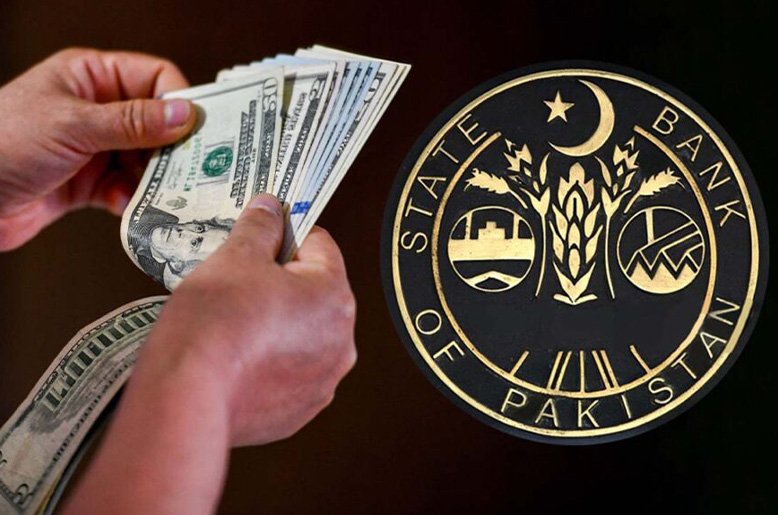
Pakistan’s financial architecture is signaling a robust upward trajectory. The State Bank of Pakistan (SBP) Governor, Jameel Ahmed, has precisely calibrated projections indicating that national Forex Reserves will exceed $18 billion by June 2026. This strategic advancement is underpinned by an anticipated current account deficit of merely 0 to 1 percent of GDP in FY26. Such fiscal prudence is a critical indicator of sustained economic health and a catalyst for further reserve accumulation. This forecast provides a clear blueprint for Pakistan’s fiscal resilience, demonstrating significant national financial uplift.
The Translation: Decoding Macroeconomic Stability
The SBP’s Monetary Policy Report for February 2026 provides a structural overview of Pakistan’s economic progression. Governor Ahmed articulated that external financial pressures are contained, reflecting a disciplined monetary policy and active fiscal consolidation since August 2025. Furthermore, inflation is projected to remain within a stable range of 5 to 7 percent throughout both FY26 and FY27, barring any acute short-term fluctuations. This stability is directly attributable to a sufficiently positive real policy rate and ongoing macroeconomic equilibrium.
This means that the nation is moving towards a predictable economic environment. Businesses can plan with greater certainty, and the purchasing power of the Pakistani Rupee is being meticulously managed. The disciplined approach by the SBP establishes a foundational stability, which is essential for sustainable growth.
Socio-Economic Impact: Calibrated Progress for Every Citizen
How does this strategic economic positioning impact the daily life of a Pakistani citizen? The projected GDP growth, ranging from 3.75 to 4.75 percent in FY26 and accelerating in FY27, signifies tangible progress. This recovery is anticipated to be broad-based, drawing strength from agriculture, industry, and services sectors across both urban and rural Pakistan. Consequently, job creation prospects will improve, and opportunities for local businesses will expand, fostering a more dynamic economic landscape.
For students, this growth translates to a more optimistic job market upon graduation. Professionals can expect greater stability and potential for career advancement. Households, particularly in rural areas, will benefit from strengthened agricultural output and improved market access for their produce. This upward trend in foreign exchange holdings directly correlates to increased national capacity to withstand external shocks, thereby safeguarding livelihoods and future investments.
The “Forward Path”: A Momentum Shift Towards Resilience
This development undeniably represents a **Momentum Shift** for Pakistan’s economy. The governor’s cautious optimism, while acknowledging global risks like commodity price volatility and climate-related shocks, is structurally sound. He underscored that two years of prudent monetary and fiscal policies have demonstrably strengthened foreign exchange reserves and fiscal buffers. Therefore, Pakistan’s economy is now strategically better positioned to absorb global and domestic shocks compared to previous periods. Sustaining this upward trajectory in national financial strength is crucial for future stability.
Sustaining these macroeconomic gains mandates continued adherence to the current policy course. Furthermore, the implementation of productivity-enhancing structural reforms remains essential over the medium term. These reforms are the critical next step to achieve not just higher, but also more sustainable, long-term economic growth. The nation is building a robust economic framework for future prosperity.








