
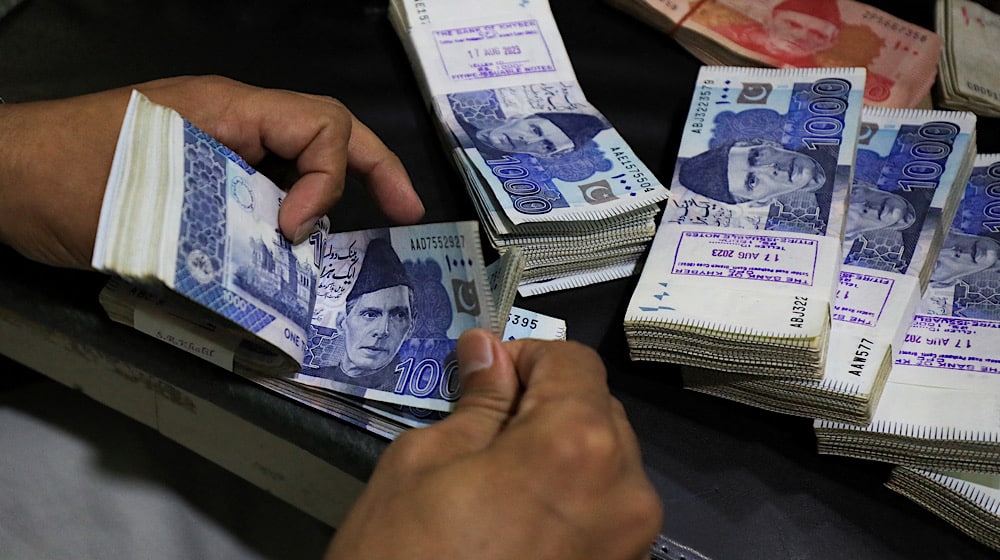
Pakistan’s financial architecture is undergoing a calibrated adjustment as the State Bank of Pakistan (SBP) precisely reduces the Cash Reserve Requirement (CRR) for banks. This strategic 100-basis-point reduction, bringing the CRR to 5% weekly average and 3% daily, is projected to inject a substantial Rs. 300-315 billion in vital liquidity into the banking system. Consequently, this move signals the central bank’s increased confidence in the nation’s inflation outlook, positioning the financial sector for enhanced operational capacity and economic resilience.
The Translation: Decoding SBP’s CRR Adjustment
The Cash Reserve Requirement mandates the portion of a bank’s total deposits that must be held as cash with the SBP. These balances remain unremunerated, meaning banks do not generate revenue from these parked funds. Historically, the SBP increased the CRR in November 2021 to absorb excess liquidity amidst escalating inflation. Therefore, this recent reduction directly reverses that policy, releasing significant capital back into the commercial banking sphere. Analysts from Topline Securities project this adjustment will liberate approximately Rs. 300 billion to Rs. 315 billion for the banking sector, directly enhancing Pakistan banking liquidity.

The Socio-Economic Impact: Fortifying Financial Foundations
This structural change in monetary policy, specifically the adjusted SBP Cash Reserve, holds significant implications for the daily economic life of Pakistani citizens. With an additional Rs. 300 billion flowing into the banking system, institutions possess greater capacity for lending. This could translate into:
- Increased Credit Availability: Businesses, especially Small and Medium Enterprises (SMEs), may find it easier to access financing for expansion, innovation, and job creation.
- Potential for Reduced Borrowing Costs: A surge in liquidity can exert downward pressure on interest rates, making loans more affordable for both individuals and corporations. This directly impacts professionals seeking business loans or households considering mortgages.
- Stimulated Economic Activity: By fostering a more liquid financial environment, the SBP aims to catalyze broader economic growth and stability. This enhances the overall financial well-being of urban and rural households alike.
Ultimately, this strategic adjustment supports the foundational elements of economic stability Pakistan needs for sustained development.
The “Forward Path”: A Momentum Shift for Growth
From an architectural perspective, this development represents a clear Momentum Shift. The SBP’s decision reflects a calculated assessment of the prevailing economic conditions, signaling a move from a tight liquidity posture to a more accommodative stance. This is not merely maintenance; it is a proactive step designed to inject dynamism into the financial system. Furthermore, deploying this capital at an assumed yield of 10 percent could yield an annualized bottom-line impact of approximately 2 percent for banks, underscoring the potential for robust growth. This strategic recalibration by the SBP aims to strengthen the national financial infrastructure and serves as a vital component of future SBP monetary policy.








